


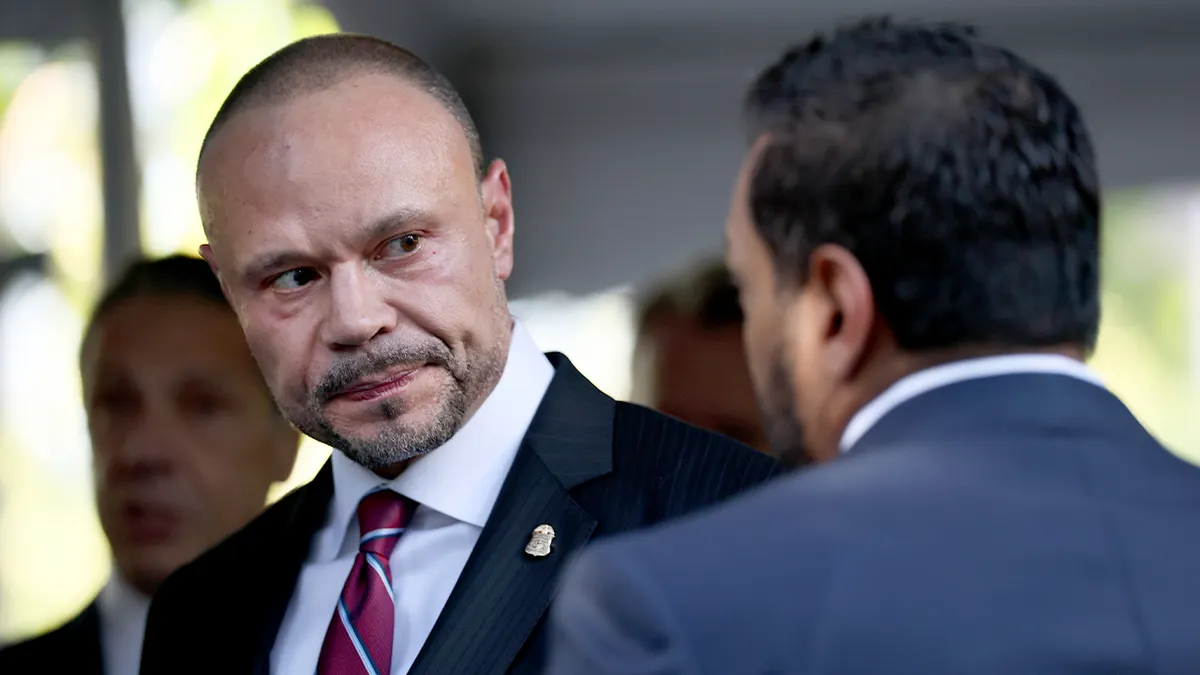
FBI Deputy Director Dan Bongino has officially resigned from the bureau, closing a brief but eventful chapter in his long career in law enforcement, media, and politics. His departure, which took effect on Jan. 3, came hours after President Donald Trump confirmed that Venezuelan leader Nicolás Maduro was in U.S. custody—an operation Bongino publicly praised on his final day in office.
While Bongino had previously announced his intention to leave the FBI in January, the timing, tone, and circumstances of his exit have fueled speculation about deeper reasons behind his resignation, including internal friction, policy disputes, and unresolved controversies.
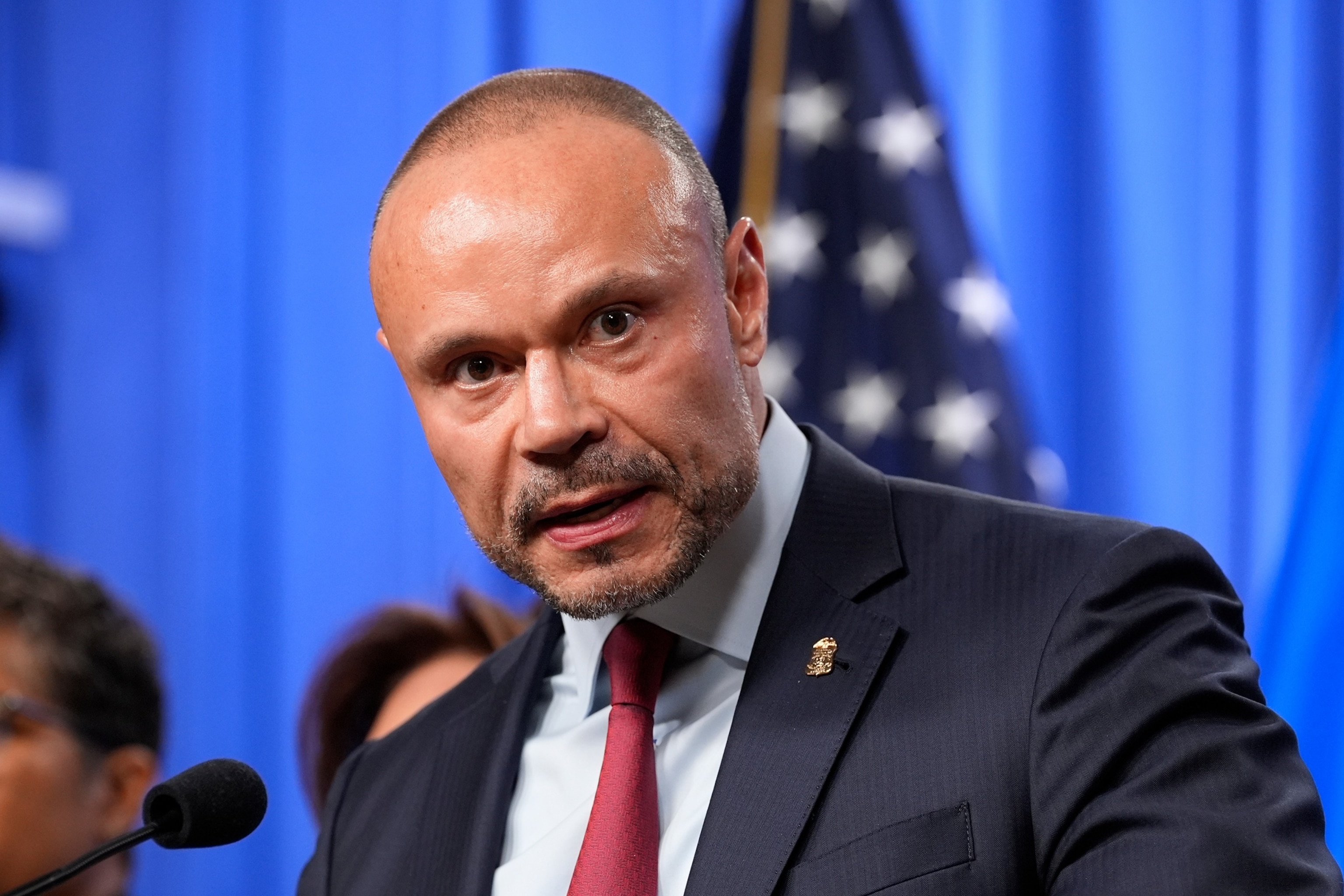
Dan Bongino speaks at a Justice Department news conference in Washington

A Sudden Exit After a “Busy Last Day”
Bongino confirmed his resignation in a brief message posted on X, responding to a post praising the capture of Maduro.
“It was a busy last day on the job,” he wrote. “This will be my last post on this account. Tomorrow I return to civilian life.”
He described his time at the FBI as “the honor of a lifetime” and thanked FBI Director Kash Patel, saying it was a privilege to serve alongside him.
“See you on the other side,” Bongino added, signaling a return to life outside government.
Although the resignation was expected, its proximity to one of the most dramatic U.S. foreign operations in decades added intrigue to the timing.
Trump Suggests a Return to Media
President Trump downplayed the resignation in comments to reporters last month, suggesting Bongino was eager to return to broadcasting.
“I think he wants to go back to his show,” Trump said at Joint Base Andrews, referring to The Dan Bongino Show, which airs on Rumble and previously enjoyed a large following on Fox News platforms.
Trump praised Bongino’s performance at the FBI, calling him “a great job” and dismissing speculation of a forced exit.
From NYPD and Secret Service to FBI Leadership
Before becoming a prominent conservative commentator, Bongino built a traditional law enforcement résumé. He served as a New York Police Department officer before joining the United States Secret Service, where he worked as a special agent.
He later transitioned into media, becoming a vocal critic of the FBI and Department of Justice during previous administrations—making his appointment as FBI deputy director in February 2025 both notable and controversial.
It marked Bongino’s first time working inside the FBI, an agency he had previously scrutinized from the outside.
A Year Defined by Aggressive Enforcement
During his tenure, Bongino frequently highlighted what he described as major operational successes by the bureau.
In a year-end post on Dec. 30, he said the FBI had made more than 50,000 arrests, including over 30,000 for violent crimes. He also cited the seizure of more than 2,000 kilograms of fentanyl and a 490 percent increase in arrests tied to “nihilistic violent extremism.”
Bongino added that the FBI located more than 6,000 child victims, a 22 percent increase from the previous year, and pointed to a significant nationwide drop in the murder rate.
Supporters argue these figures reflect a more aggressive, enforcement-focused FBI under new leadership.
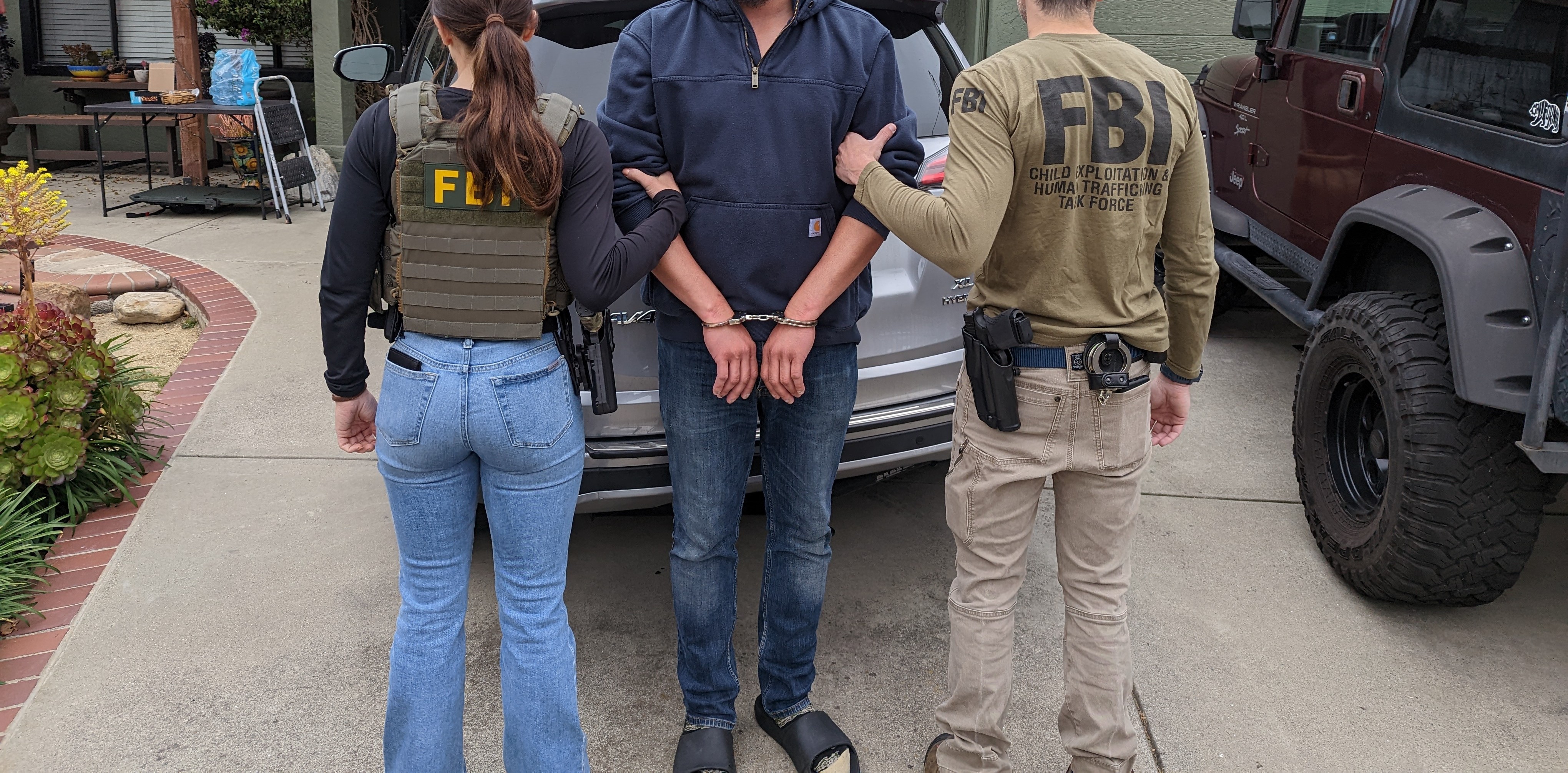
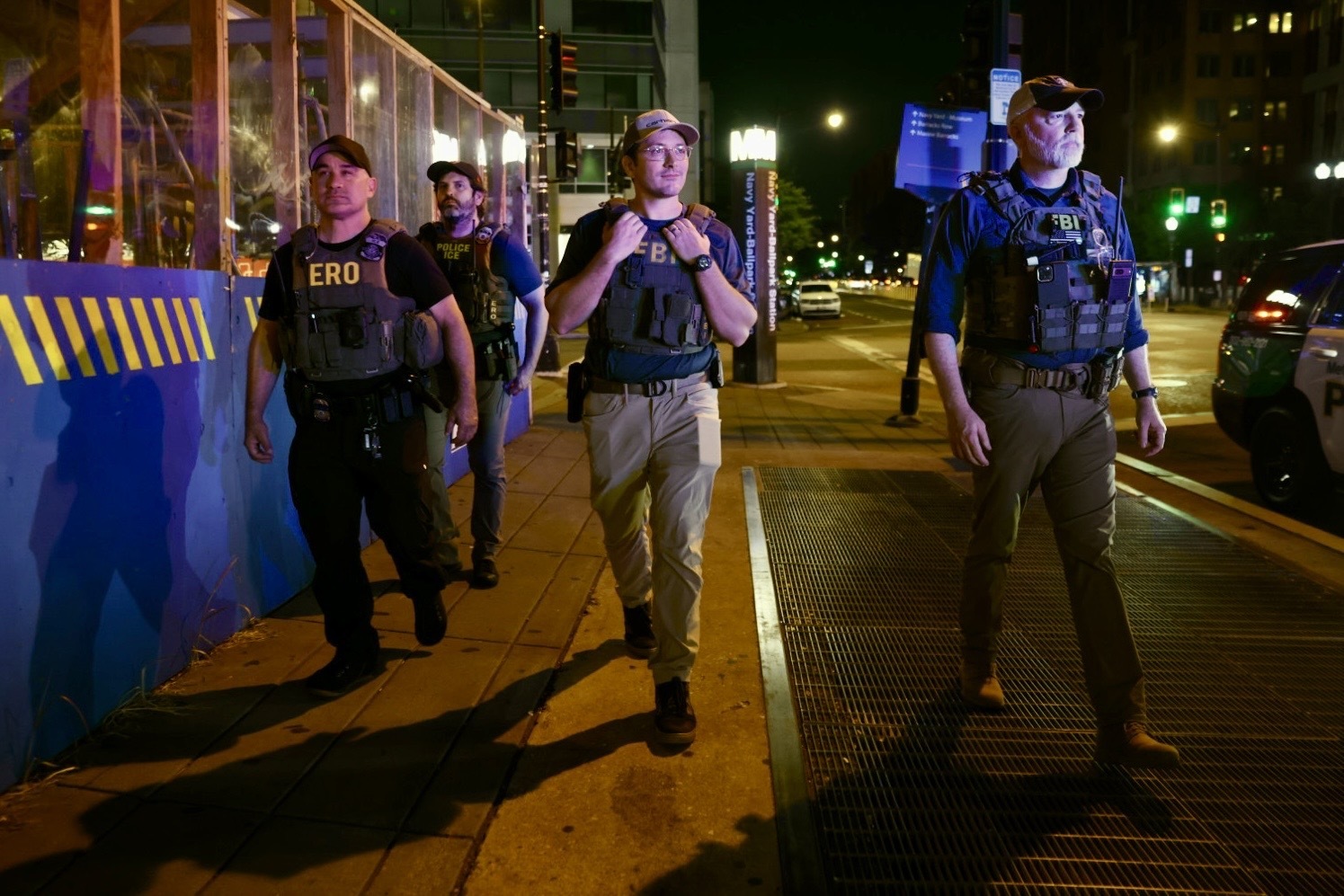
Federal agents during a major law enforcement operation
Growing Friction Over Epstein Files
Behind the scenes, however, Bongino’s tenure was marked by tension—particularly with the Department of Justice, the FBI’s parent agency.
The most significant point of conflict centered on the handling of records related to Jeffrey Epstein, the disgraced financier who died in federal custody in 2019.
Before joining the FBI, Bongino spent years on his podcast demanding transparency over Epstein’s death and alleged network. Once inside the bureau, he reportedly pushed aggressively for disclosures, putting him at odds with Justice Department officials.
In July 2025, Bongino posted a cryptic message saying that what he had learned during internal investigations had “shocked me down to my core.”
“We cannot run a Republic like this,” he wrote. “I’ll never be the same after learning what I’ve learned.”
He did not provide details, but the statement fueled speculation that institutional resistance or classified findings played a role in his decision to leave.
DOJ Tensions Publicly Downplayed
The White House sought to tamp down reports of internal conflict. Speaking aboard Air Force One in July, Trump dismissed suggestions of infighting.
“Dan’s a very good guy,” Trump said. “He’s in good shape.”
Still, Bongino’s unusually candid remarks about being “shocked” by internal discoveries stood out, particularly for a senior law enforcement official.
Praise From FBI Leadership
Despite the turbulence, FBI Director Kash Patel publicly praised Bongino after he announced his planned departure in December.
“He not only completed his mission—he far exceeded it,” Patel wrote. “Our country is better and safer for it.”
Patel reposted Bongino’s resignation message Saturday night but did not add further comment.
The public show of unity contrasts with reports of strain elsewhere within the federal law enforcement ecosystem.
Political Symbolism of the Timing
Bongino’s exit on the same day Trump confirmed Maduro’s capture added symbolic weight to his departure.
Bongino openly celebrated the operation, which the administration framed as a decisive blow against narco-terrorism and foreign corruption. Some observers interpreted his timing as a deliberate choice—to leave on a high note tied to a major national security success.
Others see it as coincidental but emblematic of a year defined by high-stakes confrontations and unresolved institutional battles.
Return to Civilian Life — and the Microphone
Trump’s suggestion that Bongino intends to return to media appears increasingly likely.
Before joining the FBI, Bongino was one of the most influential conservative voices in political commentary, and his audience followed him closely through his transition into government.
Whether he resumes full-time broadcasting immediately or takes time away remains unclear, but his final message—“See you on the other side”—hinted strongly at a comeback.
Dan Bongino during a broadcast of his political show


What His Resignation Signals
Bongino’s departure underscores the challenges of reforming institutions from within—particularly agencies as large, entrenched, and politically sensitive as the FBI.
To supporters, his resignation reflects frustration with bureaucratic resistance and a refusal to compromise on transparency and accountability. To critics, it confirms concerns that a polarizing media figure was ill-suited for a senior intelligence role.
What is clear is that Bongino leaves behind a bureau that looks different than when he arrived—more aggressive in enforcement, more outspoken in leadership, and more openly entangled in political debates.
An Unfinished Story
Though Bongino’s government service has ended, the questions raised during his tenure remain unresolved.
What did he discover that “shocked” him?
How deep were the internal disagreements over Epstein-related material?
And will he now speak freely about what he learned inside the FBI?
If his past media career is any indication, those answers may not stay hidden for long.
For now, Dan Bongino exits the FBI after just one year—leaving behind a trail of achievements, controversies, and unanswered questions that may soon resurface on the airwaves.

Emily Johnson is a critically acclaimed essayist and novelist known for her thought-provoking works centered on feminism, women’s rights, and modern relationships. Born and raised in Portland, Oregon, Emily grew up with a deep love of books, often spending her afternoons at her local library. She went on to study literature and gender studies at UCLA, where she became deeply involved in activism and began publishing essays in campus journals. Her debut essay collection, Voices Unbound, struck a chord with readers nationwide for its fearless exploration of gender dynamics, identity, and the challenges faced by women in contemporary society. Emily later transitioned into fiction, writing novels that balance compelling storytelling with social commentary. Her protagonists are often strong, multidimensional women navigating love, ambition, and the struggles of everyday life, making her a favorite among readers who crave authentic, relatable narratives. Critics praise her ability to merge personal intimacy with universal themes. Off the page, Emily is an advocate for women in publishing, leading workshops that encourage young female writers to embrace their voices. She lives in Seattle with her partner and two rescue cats, where she continues to write, teach, and inspire a new generation of storytellers.