


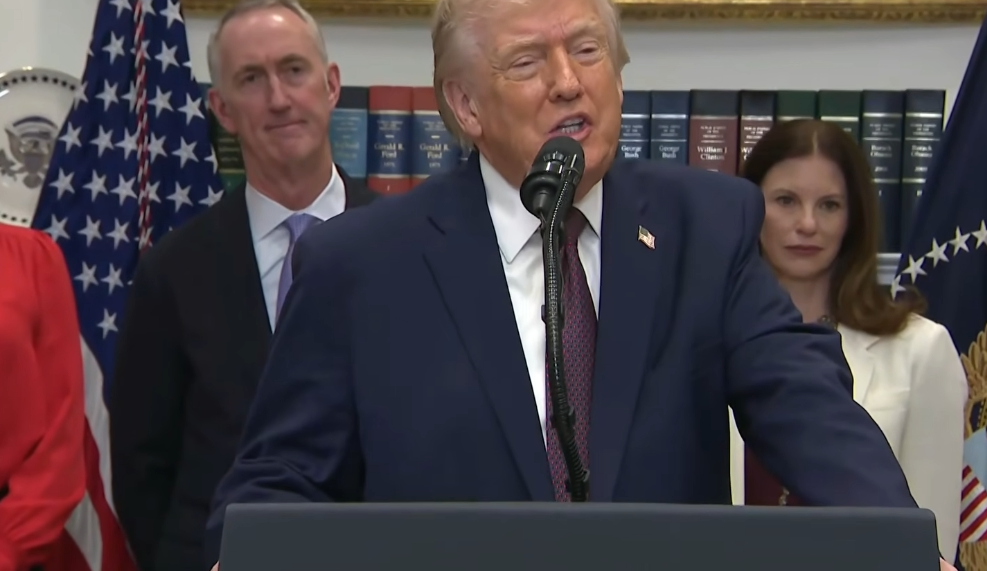
A sweeping set of travel restrictions signed by President Donald Trump went into effect on January 1, 2026, expanding limitations on foreign nationals from multiple countries in the name of national security and public safety. The executive orders, originally signed on December 16, block entry for nationals from Burkina Faso, Laos, Mali, Niger, Sierra Leone, South Sudan, and Syria, as well as individuals holding Palestinian Authority passports.
These latest measures add to the administration’s existing restrictions on several countries, which were first imposed last year. The White House has cited concerns about terrorism, high visa overstay rates, and non-cooperation by some nations in repatriating deported citizens as the driving rationale behind the expanded bans.
“Certain U.S.-designated terrorist groups operate actively in these regions and have murdered American citizens,” a White House official said in a briefing last month. “Combined with ongoing conflicts, these conditions create vulnerabilities in vetting and screening capabilities for travelers.”
Continuation and Expansion of Previous Restrictions
The proclamation maintains full travel restrictions that were previously imposed on Afghanistan, Burma, Chad, the Republic of the Congo, Equatorial Guinea, Eritrea, Haiti, Iran, Libya, Somalia, Sudan, and Yemen. In addition, partial restrictions remain in effect for Angola, Antigua and Barbuda, Benin, Cote d’Ivoire, Dominica, Gabon, The Gambia, Malawi, Mauritania, Nigeria, Senegal, Tanzania, Tonga, Zambia, and Zimbabwe, as well as Burundi, Cuba, Togo, and Venezuela.
Only one country was removed from the Trump administration’s prior travel restriction lists: Turkmenistan. The decision to lift restrictions for the Central Asian nation went into effect January 1, 2026, after careful review by federal officials.
The new restrictions on Palestinian Authority passport holders are particularly notable. The administration’s prior measures had already made it extremely difficult for these individuals to secure travel documents for work, study, or tourism in the United States. The latest executive order fully blocks Palestinian Authority nationals from emigrating to the U.S., citing ongoing security concerns tied to violent activity in the West Bank and Gaza.
“The recent war in those areas likely resulted in compromised vetting and screening abilities,” the administration noted, explaining the need for the expanded prohibition.
H-1B Reforms: Weighted Selection System
Alongside the travel bans, the administration is implementing reforms to the H-1B visa program, which allows U.S. employers to hire high-skilled foreign workers. Previously, the program relied on a random lottery system for selecting applicants when the number of petitions exceeded the statutory cap.
Under the new rules, applications will be prioritized based on wage level, effectively favoring employers who intend to hire foreign workers at higher salaries. Matthew Tragesser, a U.S. Citizenship and Immigration Services (USCIS) official, told ABC News that the change is designed to prevent abuse of the system by employers seeking lower-paid foreign labor.
“The existing random selection process of H-1B registrations was exploited and abused by U.S. employers who were primarily seeking to import foreign workers at lower wages than they would pay American workers,” Tragesser said. “The new weighted selection will better serve Congress’ intent for the H-1B program and strengthen America’s competitiveness by incentivizing American employers to petition for higher-paid, higher-skilled foreign workers.”
The administration indicated that further updates to the H-1B program are forthcoming, signaling continued regulatory adjustments aimed at balancing foreign talent acquisition with protection of American workers.
Immigration Enforcement and Mass Deportations
Since returning to office, Trump has made immigration enforcement a centerpiece of his second administration. Within hours of being sworn in, the president signed a series of executive orders targeting border security, mass deportations, and restrictions on birthright citizenship.
Top administration officials have said the crackdown will continue through 2026, supported by expanded funding for Immigration and Customs Enforcement (ICE) under a 2025 law. ICE is reportedly preparing to hire additional personnel, increase detention capacity, and intensify enforcement operations at both borders and workplaces across the country.
White House border czar Tom Homan told Reuters last month that Trump has already delivered on mass deportations, particularly targeting criminal aliens and individuals residing illegally in the U.S. “I think you’re going to see the numbers explode greatly next year,” Homan said. “There will also be more enforcement operations at workplaces, aimed at deterring employers from hiring undocumented labor.”
Trump’s immigration agenda has long emphasized a combination of stricter enforcement and enhanced vetting for foreign nationals entering the United States. Officials argue that the new travel restrictions, H-1B reforms, and ICE expansions collectively protect national security while promoting economic competitiveness for American workers.
Reactions and Criticism
The expanded travel bans have drawn both support and criticism. Proponents, largely from conservative circles, praise the administration for prioritizing security and placing American citizens first. They argue that blocking entry from countries with high levels of unrest or terrorist activity is a necessary measure to prevent potential threats from reaching U.S. soil.
Critics, including human rights organizations and some international observers, contend that broad-based travel restrictions can be overly punitive and disproportionately affect innocent individuals who have no connection to terrorism. In particular, the new ban on Palestinian Authority nationals has sparked controversy, with advocates warning that it could worsen the humanitarian situation for people in the West Bank and Gaza.
Legal experts also note potential challenges regarding compliance with U.S. constitutional and international law. While presidents have broad authority to regulate entry into the United States for security reasons, expansive travel bans may face judicial scrutiny if they are deemed discriminatory or lacking sufficient justification.
International Implications
The new travel restrictions are likely to affect diplomatic relations with multiple countries, particularly those in West Africa and Southeast Asia. Governments of affected nations may view the bans as punitive, potentially straining cooperation on trade, counterterrorism, and immigration matters.
At the same time, allies of the Trump administration argue that the measures signal a firm commitment to protecting American citizens while ensuring that immigration policies prioritize security, economic interests, and compliance with U.S. labor laws.
Looking Ahead
As the 2026 calendar year begins, the Trump administration is signaling a continued emphasis on strict immigration enforcement, tighter H-1B visa regulations, and selective access to the U.S. for foreign nationals from countries deemed high-risk.
For Americans, the new travel restrictions and visa reforms are expected to shape patterns of international travel and labor recruitment, while ICE operations and deportations could affect thousands more living in the country without legal status. Federal agencies, including USCIS and ICE, have pledged ongoing updates and guidance to help employers, travelers, and foreign nationals navigate the evolving rules.
“Every step we’re taking is about strengthening national security and ensuring fairness for American workers,” a senior White House official said. “This administration will continue to enforce the laws of the United States vigorously while adapting to new threats and challenges in the coming year.”
With travel bans fully in effect and new visa regulations on the horizon, 2026 promises to be a year in which U.S. immigration policy remains a central focus of the Trump administration’s domestic and foreign agenda.

Emily Johnson is a critically acclaimed essayist and novelist known for her thought-provoking works centered on feminism, women’s rights, and modern relationships. Born and raised in Portland, Oregon, Emily grew up with a deep love of books, often spending her afternoons at her local library. She went on to study literature and gender studies at UCLA, where she became deeply involved in activism and began publishing essays in campus journals. Her debut essay collection, Voices Unbound, struck a chord with readers nationwide for its fearless exploration of gender dynamics, identity, and the challenges faced by women in contemporary society. Emily later transitioned into fiction, writing novels that balance compelling storytelling with social commentary. Her protagonists are often strong, multidimensional women navigating love, ambition, and the struggles of everyday life, making her a favorite among readers who crave authentic, relatable narratives. Critics praise her ability to merge personal intimacy with universal themes. Off the page, Emily is an advocate for women in publishing, leading workshops that encourage young female writers to embrace their voices. She lives in Seattle with her partner and two rescue cats, where she continues to write, teach, and inspire a new generation of storytellers.