



A federal judge has halted the Department of Homeland Security’s attempt to terminate deportation protections for tens of thousands of migrants from three countries, delivering a significant legal setback to the Trump administration’s immigration agenda and intensifying an already fraught national debate over the future of Temporary Protected Status.
The ruling, issued late Wednesday, prevents the government from ending protections for nationals of Honduras, Nepal, and Nicaragua who are currently living and working legally in the United States under the TPS program. The decision immediately stops DHS from moving forward with plans that would have exposed thousands of people to possible deportation within months.
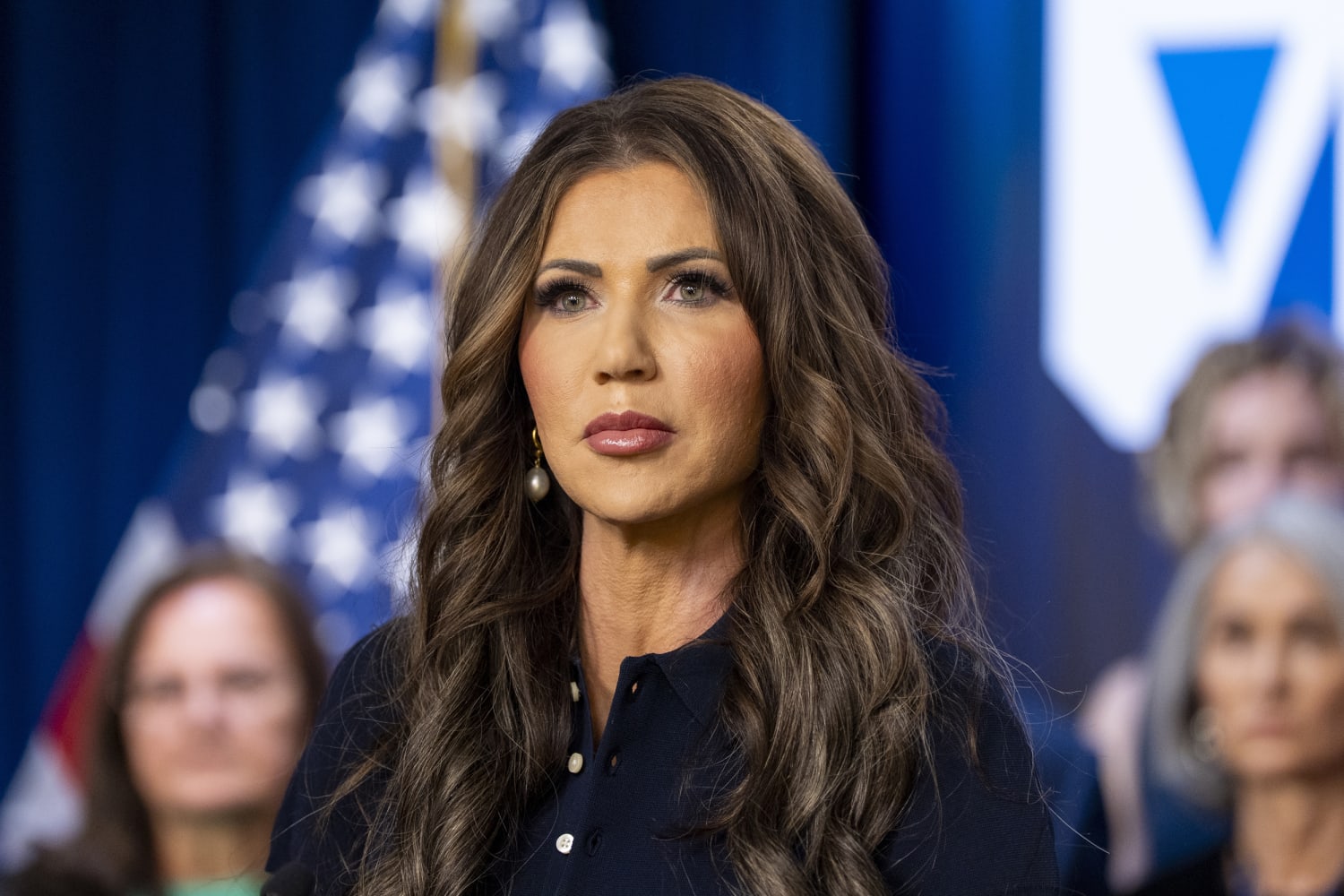
Homeland Security Secretary Kristi Noem testifies on Capitol Hill amid debate over immigration enforcement
A Sweeping Order From a Federal Court
In a 52-page opinion issued on Dec. 31, U.S. District Judge Trina Thompson concluded that the administration’s effort to end the protections was likely unlawful and improperly motivated. The judge found that public statements made by senior administration officials raised serious constitutional concerns and justified court intervention.
The case was brought by the National TPS Alliance, an advocacy group representing individuals covered by the program. Plaintiffs argued that the terminations were not based on conditions in the affected countries, as required by law, but instead stemmed from hostility toward certain immigrant groups.
Judge Thompson agreed, writing that the record suggested the decisions were influenced by racial and national-origin bias rather than a neutral evaluation of country conditions.
What Temporary Protected Status Does
Temporary Protected Status is a humanitarian program that allows nationals of designated countries to remain in the United States if their home nations are deemed unsafe due to armed conflict, natural disasters, or other extraordinary circumstances. Recipients are shielded from deportation and may receive authorization to work legally.
Under federal law, the secretary of homeland security has broad authority to grant, extend, or terminate TPS designations. However, those decisions must be grounded in objective assessments of conditions abroad and cannot be driven by discriminatory intent.
DHS had announced that TPS protections would end for Nepal in August 2026 and for Honduras and Nicaragua in September 2026, a timeline that would have affected roughly 89,000 people combined.
Demonstrators gather outside a federal courthouse to protest proposed TPS terminations
Judge Cites ‘Stereotyping’ by Officials
Central to the court’s ruling were public comments made by President Donald Trump and Homeland Security Secretary Kristi Noem regarding immigrants and immigration enforcement. Judge Thompson wrote that those statements appeared to portray TPS beneficiaries as criminals or threats, rather than as individuals lawfully present under a congressionally authorized program.
According to the ruling, such rhetoric “reflects a stereotyping of the immigrants protected under the TPS program as criminal invaders” and perpetuates “discriminatory beliefs” about certain immigrant populations.
The judge concluded that these statements, taken together with the administration’s broader immigration posture, supported the plaintiffs’ claim that the TPS terminations were motivated by racial and national-origin animus.
The Scope of the Impact
Homeland Security estimates show that approximately 72,000 Hondurans, 13,000 Nepalese nationals, and 4,000 Nicaraguans currently rely on TPS protections. Many have lived in the United States for years or even decades, raising families and building careers while legally authorized to work.
Advocates argued that ending TPS would not only uproot individuals but also destabilize communities and local economies. Many TPS holders work in construction, health care, hospitality, and other industries facing chronic labor shortages.
The court’s order preserves the status quo while the case proceeds, allowing beneficiaries to continue living and working in the United States for now.
A Broader Push to End TPS
The blocked terminations are part of a wider effort by the Trump administration to roll back the TPS program, which officials argue has been stretched far beyond its original intent. Administration officials have repeatedly said TPS was meant to be temporary and that previous administrations improperly extended protections for years at a time.
DHS has argued that conditions in countries like Honduras, Nepal, and Nicaragua no longer justify continued protections and that maintaining TPS for those nationals runs counter to U.S. interests.
In termination notices, the department stated that reviews showed the countries no longer met the statutory requirements for the program, a claim plaintiffs strongly dispute.
Interior of a federal courtroom during immigration-related proceedings
Contrast With the Biden Years
During the Biden administration, TPS was significantly expanded to cover hundreds of thousands of migrants from countries including Ukraine, Afghanistan, Venezuela, Haiti, and others. Those expansions were framed as humanitarian responses to war, political instability, and natural disasters.
The Trump administration has sharply criticized those moves, arguing they amounted to an abuse of executive authority and effectively turned TPS into a “de facto amnesty” program.
Secretary Noem has said the Biden-era expansions overwhelmed the system and encouraged unlawful migration, claims that immigration advocates and many legal scholars contest.
Supreme Court and Lower Court Tensions
The legal landscape surrounding TPS has grown increasingly complex. In October, the U.S. Supreme Court allowed the administration to proceed with ending protections for roughly 300,000 Venezuelans, a ruling that administration officials hailed as a major victory.
However, since that decision, several lower courts have continued to block other TPS terminations. Just this week, a federal judge in Boston stopped DHS from ending protections for hundreds of South Sudanese nationals.
The conflicting rulings underscore ongoing uncertainty about how much discretion DHS has and what limits courts may impose when allegations of discrimination are raised.
DHS Response and Next Steps
Following earlier court losses, DHS officials have defended the administration’s approach, arguing that TPS must remain temporary to maintain the integrity of the immigration system.
In response to past rulings, DHS Assistant Secretary Tricia McLaughlin said the American people “should not have had to go to the Supreme Court twice to see justice done,” adding that TPS had been “abused, exploited, and mangled” by prior administrations.
It remains unclear whether the government will appeal Judge Thompson’s ruling or attempt to revise its termination decisions to address the court’s concerns.
What Comes Next for TPS Holders
For now, the ruling offers temporary relief to tens of thousands of people who had been bracing for the possibility of deportation. Immigration advocates cautioned, however, that the legal battle is far from over.
If the administration ultimately prevails on appeal, TPS holders could once again face deadlines to leave the country or risk removal. If the plaintiffs succeed, the decision could place meaningful limits on how future administrations use TPS authority.
As courts continue to weigh in, the fate of Temporary Protected Status — and the people who depend on it — remains one of the most closely watched issues in U.S. immigration law.

Emily Johnson is a critically acclaimed essayist and novelist known for her thought-provoking works centered on feminism, women’s rights, and modern relationships. Born and raised in Portland, Oregon, Emily grew up with a deep love of books, often spending her afternoons at her local library. She went on to study literature and gender studies at UCLA, where she became deeply involved in activism and began publishing essays in campus journals. Her debut essay collection, Voices Unbound, struck a chord with readers nationwide for its fearless exploration of gender dynamics, identity, and the challenges faced by women in contemporary society. Emily later transitioned into fiction, writing novels that balance compelling storytelling with social commentary. Her protagonists are often strong, multidimensional women navigating love, ambition, and the struggles of everyday life, making her a favorite among readers who crave authentic, relatable narratives. Critics praise her ability to merge personal intimacy with universal themes. Off the page, Emily is an advocate for women in publishing, leading workshops that encourage young female writers to embrace their voices. She lives in Seattle with her partner and two rescue cats, where she continues to write, teach, and inspire a new generation of storytellers.