



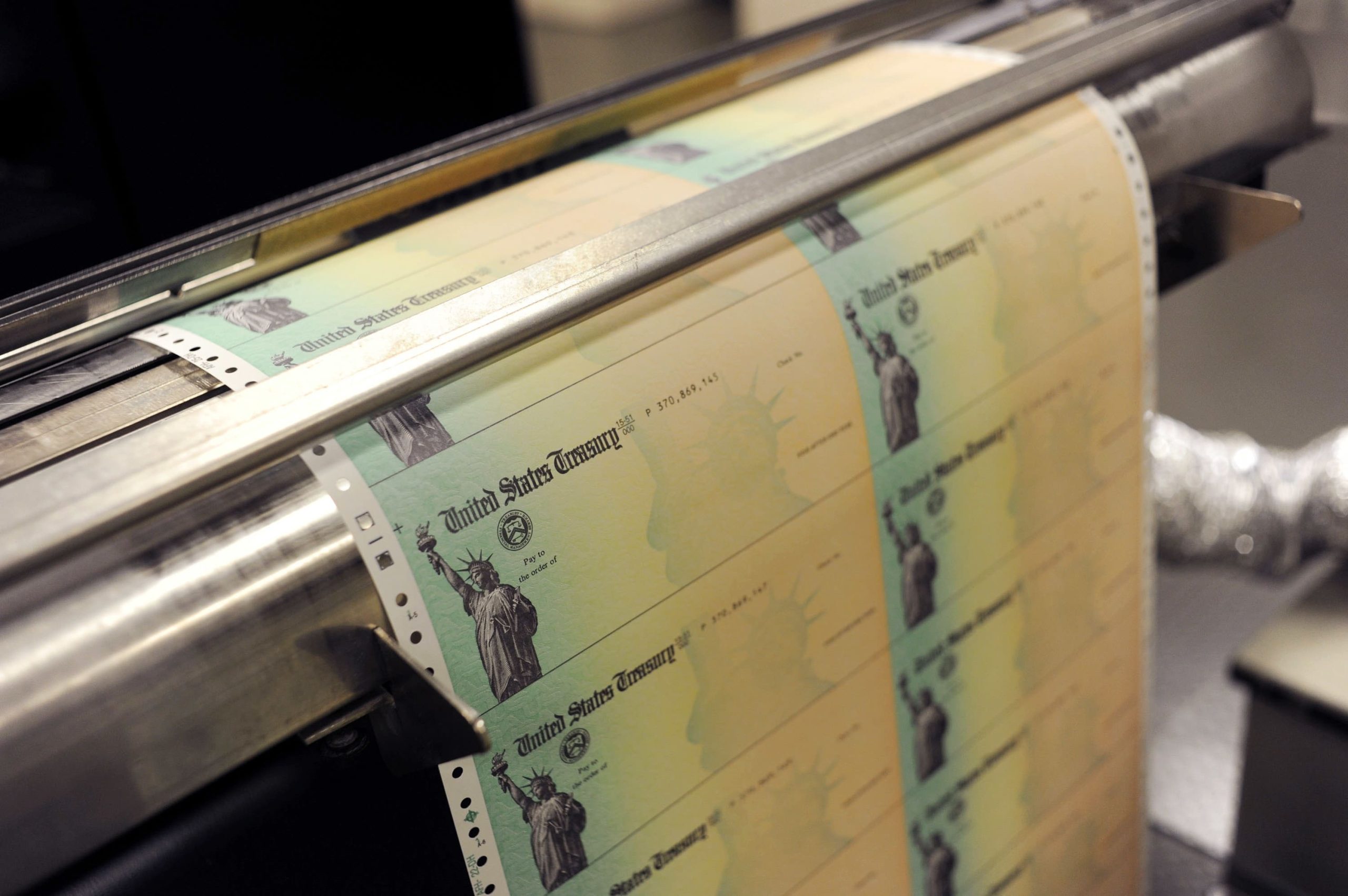
Millions of Americans who rely on Social Security will start seeing changes to their monthly payments sooner than expected as the first benefit checks reflecting 2026 adjustments begin going out this week. For some recipients, the updated payments will arrive before the new year officially begins, offering an early financial boost as households prepare for January expenses.
The changes stem from the Social Security Administration’s annual cost-of-living adjustment, or COLA, which recalibrates benefits to reflect inflation trends. While the increase is smaller than in some recent years, it still represents a meaningful update for retirees, disabled workers, and low-income recipients navigating higher costs for essentials like food, housing, and health care.
Understanding who gets paid when, how much benefits are changing, and what other policy shifts are taking effect can help recipients plan more confidently for the year ahead.
When the First 2026 Payments Are Arriving
Although the new benefit year officially begins in January, some Social Security recipients will receive their first 2026-adjusted payments in late December. That timing is driven by the federal holiday calendar rather than a special early payout.
Because January 1 is a federal holiday, certain benefits that are normally paid on the first day of the month will instead be issued on the last business day before the holiday. That means some recipients will see deposits on December 31.
Others will receive their first updated payments in early January, depending on the type of benefit they receive and when they first enrolled in the program.

How the Social Security Payment Schedule Works
Social Security payments follow a structured schedule based largely on recipients’ birthdays and enrollment history.
Recipients who began receiving benefits before May 1997, as well as those who receive both Social Security and Supplemental Security Income, are typically paid at the beginning of each month. For January 2026, those payments will arrive on January 2, since January 3 falls on a Saturday.
For most other recipients, payments are issued on a Wednesday schedule tied to birth dates:
-
Birthdays from the 1st to the 10th are paid on the second Wednesday
-
Birthdays from the 11th to the 20th are paid on the third Wednesday
-
Birthdays from the 21st to the 31st are paid on the fourth Wednesday
In January 2026, those dates fall on January 14, January 21, and January 28.
Recipients are encouraged to check their personal payment calendars through the Social Security Administration’s online portal to confirm exact dates.
What the 2026 COLA Means for Monthly Benefits
The defining feature of the new payments is the 2.8 percent cost-of-living adjustment applied to 2026 benefits. The COLA is designed to help Social Security keep pace with inflation, though it does not necessarily match the real-world spending patterns of every household.
The increase applies across the board to retirement benefits, survivor benefits, disability payments, and Supplemental Security Income. For most recipients, the change will be noticeable but modest when compared to the historically large adjustments seen earlier in the decade.
The Social Security Administration calculates the COLA using inflation data from the Consumer Price Index for Urban Wage Earners and Clerical Workers. Specifically, it looks at price changes during the third quarter of the previous year—July through September—and compares them with the same period a year earlier.
As inflation has cooled from its post-pandemic highs, the size of the annual adjustment has also decreased.

How Many People Are Affected
The scope of the adjustment is enormous. Roughly 71 million Americans receive Social Security benefits, and an additional 7.5 million people receive Supplemental Security Income.
For many retirees, Social Security makes up a significant portion of monthly income. According to multiple surveys, more than half of beneficiaries rely on their payments for at least half of their household income, and about one in four depend on it for nearly all of their income.
Because of that reliance, even small percentage changes can have outsized effects on household budgeting, especially for seniors living on fixed incomes.
Tax Changes That Could Affect Seniors
Beyond the monthly payment increase, some recipients will also see changes when they file their taxes.
As part of a tax and spending package signed earlier in the year, a temporary tax deduction was created for seniors aged 65 and older. The deduction applies to all income, not just Social Security benefits, and can be claimed in addition to the standard deduction.
Eligible seniors may claim an additional $6,000 deduction, potentially lowering taxable income significantly. However, not everyone qualifies. Seniors who do not owe taxes, those who claim benefits before age 65, or those who exceed certain income thresholds may not be eligible.
The deduction is scheduled to remain in effect through 2028.
Why Some Advocates Say the Increase Falls Short
Despite the COLA adjustment, some senior advocacy groups argue that the increase does not fully account for the true cost pressures older Americans face.
Healthcare expenses, prescription drug costs, housing, and insurance premiums tend to rise faster than general inflation. Critics say the inflation index used to calculate COLA does not adequately reflect those realities.
Polling data shows that a large majority of Americans over age 50 believe the annual adjustment does not keep pace with their actual cost of living. That perception has fueled ongoing debate over whether Social Security should use a different inflation measure tailored specifically to seniors.

What Recipients Should Do Now
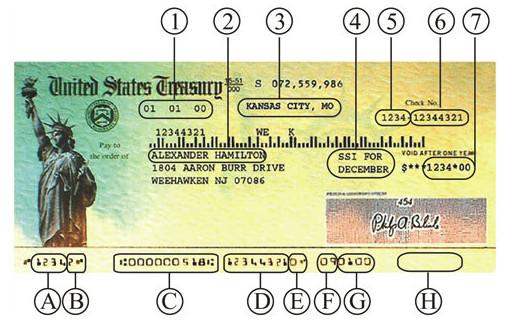
For most recipients, no action is required to receive the updated payments. The increase is applied automatically, and deposits or mailed checks will arrive on the normal schedule.
However, beneficiaries are encouraged to:
-
Review benefit notices sent in December
-
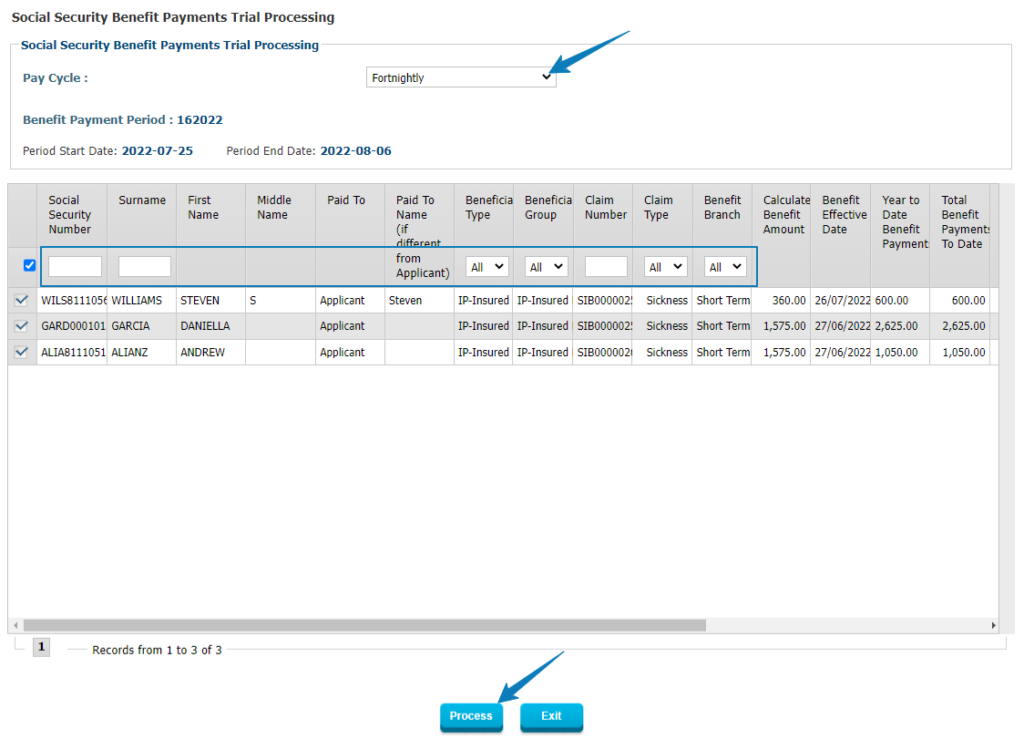
Log into their SSA account to verify updated amounts
-
Check bank statements around scheduled payment dates
-
Factor changes into 2026 budgeting plans
Those who believe their payment is incorrect can contact the Social Security Administration directly for clarification.
Looking Ahead to 2026
The start of 2026 brings stability rather than surprise for Social Security recipients. While the increase is smaller than in recent years, it reflects a broader easing of inflation pressures across the economy.
At the same time, ongoing debates about benefit adequacy, healthcare costs, and long-term program sustainability are unlikely to fade. For now, recipients can expect modestly higher payments, clearer schedules, and incremental policy changes shaping the year ahead.

Emily Johnson is a critically acclaimed essayist and novelist known for her thought-provoking works centered on feminism, women’s rights, and modern relationships. Born and raised in Portland, Oregon, Emily grew up with a deep love of books, often spending her afternoons at her local library. She went on to study literature and gender studies at UCLA, where she became deeply involved in activism and began publishing essays in campus journals. Her debut essay collection, Voices Unbound, struck a chord with readers nationwide for its fearless exploration of gender dynamics, identity, and the challenges faced by women in contemporary society. Emily later transitioned into fiction, writing novels that balance compelling storytelling with social commentary. Her protagonists are often strong, multidimensional women navigating love, ambition, and the struggles of everyday life, making her a favorite among readers who crave authentic, relatable narratives. Critics praise her ability to merge personal intimacy with universal themes. Off the page, Emily is an advocate for women in publishing, leading workshops that encourage young female writers to embrace their voices. She lives in Seattle with her partner and two rescue cats, where she continues to write, teach, and inspire a new generation of storytellers.