


In the early days of a second presidential term, the use of a veto is more than a procedural act. It is a message—about priorities, leverage, and the boundaries of compromise. Late this week, two pieces of legislation that had sailed through Congress without opposition were halted at the executive desk, setting off immediate political shockwaves and reopening long-running disputes between the White House and state and tribal leaders.
What made the move unusual was not just the timing, but the unanimity it overrode. Both measures had passed the House and Senate without a single dissenting vote, a rarity in a deeply polarized era. For supporters, that consensus was meant to signal urgency and shared national interest. For the administration, it appears to have signaled something else entirely.
A Rare Break With Unanimous Congress
Presidential vetoes are common over the course of an administration, but vetoing bills that cleared Congress unanimously is not. Historically, such bills are often considered “safe,” having already survived the scrutiny of both parties and multiple committees. In this case, however, the White House drew a firm line.
In a formal message sent to Capitol Hill, the president argued that the legislation would commit federal taxpayers to “expensive and unreliable policies,” framing the decision as a matter of fiscal discipline rather than political retribution. The language suggested concern not just with cost, but with precedent—signaling that even broad bipartisan support would not guarantee executive approval.
That reasoning did little to blunt the reaction from lawmakers who had championed the bills, particularly those representing regions directly affected.
A Water Project Decades in the Making
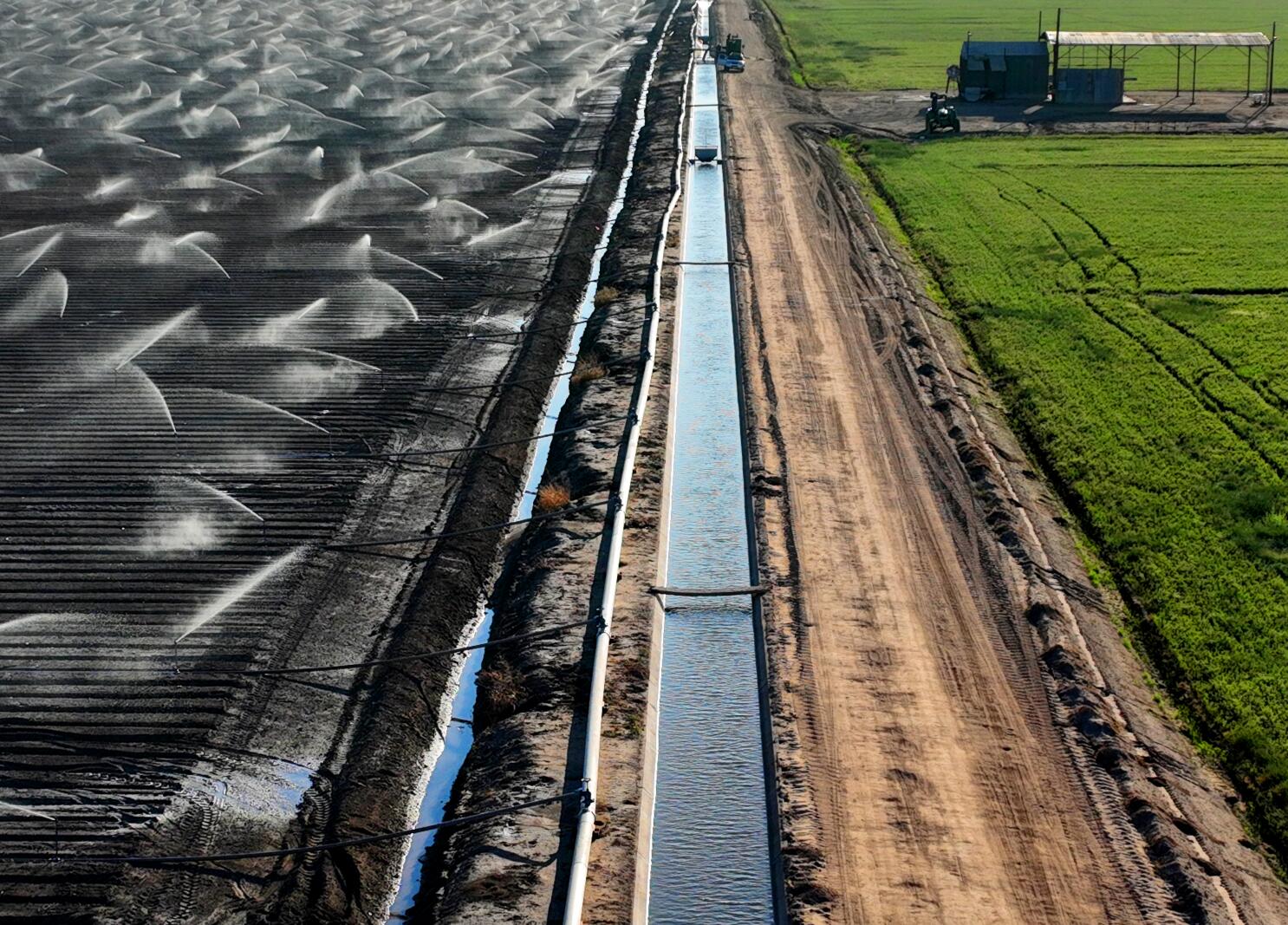
The first veto centered on a long-planned effort to bring safe drinking water to dozens of rural communities. For years, residents in the affected region have relied on groundwater sources known to be high in salinity and, in some cases, contaminated by naturally occurring radiation. Local officials have warned that without federal assistance, many small towns simply lack the tax base to fund large-scale infrastructure upgrades on their own.
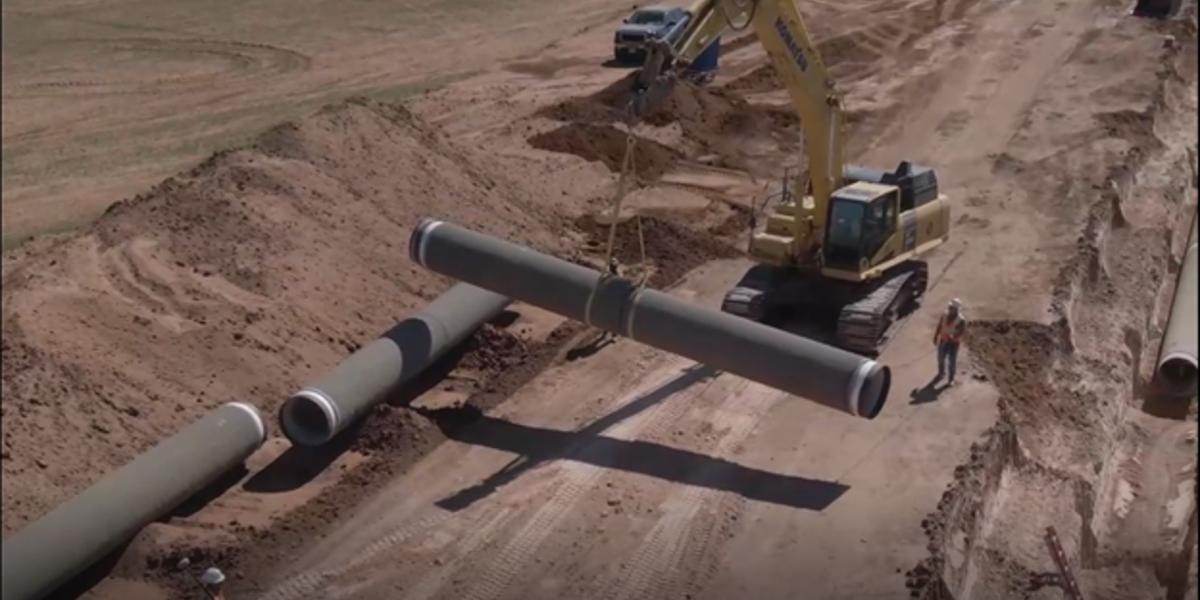
The bill was designed to complete a conduit system that has been discussed, redesigned, and partially built over multiple administrations. Supporters described it as the final step in a process that had already consumed decades of planning and millions in prior investment.
One senator from the region called the veto “a punishment of rural communities that did everything right,” noting that the project had survived environmental review, budget analysis, and bipartisan negotiation. Another lawmaker argued that blocking the funds now could leave partially completed infrastructure stranded—neither fully functional nor easily abandoned.
Only midway through the debate did the geographic focus become explicit: the veto halted funding for a major water project serving communities across eastern Colorado.
A History of Tension Beneath the Surface
The reaction from Colorado’s congressional delegation was swift and pointed, but it did not emerge in a vacuum. Relations between the administration and the state have been strained over a series of unrelated disputes, ranging from election administration controversies to disagreements over immigration policy.
Earlier clashes included public criticism of state officials over so-called “sanctuary” policies, despite denials from the governor’s office, as well as calls from the White House to release a former county clerk convicted on state charges tied to election equipment access. While a federal pardon was issued in that case, it did not apply to state convictions, deepening tensions rather than resolving them.
Against that backdrop, critics argued the veto felt less like a budgetary decision and more like the latest chapter in a running conflict. The administration has rejected that characterization, insisting the decision was based solely on fiscal and policy concerns.
The Second Veto and Tribal Lands


The second veto, though smaller in dollar amount, carried significant symbolic weight. It involved funding intended to protect a culturally significant site within a national park—land inhabited and stewarded by a Native American tribe for generations.
The area had recently become the center of controversy after plans were floated to establish a temporary immigrant detention facility nearby. Tribal leaders objected, arguing that the proposal threatened both the environment and their cultural heritage. A federal judge ultimately ordered the facility closed, but the dispute left lingering concerns about future encroachment.
The vetoed bill would have allocated funds to reinforce protections around the site and support infrastructure for the tribal community. In rejecting it, the administration did not directly reference the earlier detention facility dispute, but critics were quick to connect the dots.
For tribal representatives, the decision was deeply personal. One leader described it as “another reminder of how easily our concerns are sidelined once headlines fade.”
Congressional Options and Political Reality
Overriding a presidential veto requires a two-thirds majority in both the House and Senate—a high bar even when legislation initially passed unanimously. Lawmakers now face a strategic choice: attempt an override that could fail and consume political capital, or return to negotiations in hopes of crafting revised bills acceptable to the White House.
Some congressional aides have suggested that quiet talks are already underway, exploring narrower funding mechanisms or alternative administrative pathways. Others argue that backing down would set a dangerous precedent, effectively inviting future vetoes of broadly supported legislation.
The administration, for its part, has shown little public interest in compromise so far, signaling that these vetoes were meant to establish an early tone for the second term.
What the Vetoes Signal Going Forward
Taken together, the two decisions offer insight into how the White House intends to wield executive power in the months ahead. The message appears clear: bipartisan consensus alone will not shield legislation from scrutiny, particularly when it involves long-term federal spending or politically sensitive land use issues.
Supporters of the president have praised the moves as evidence of fiscal restraint and willingness to challenge entrenched spending habits. Critics counter that the vetoes undermine cooperative governance and risk harming communities with limited alternatives.
What is undeniable is that the veto pen has been uncapped early—and deliberately.
A Test for Bipartisanship
These first vetoes of the term arrive at a moment when both parties publicly profess interest in restoring functional governance. Whether that rhetoric can survive high-stakes disagreements like these remains to be seen.
For rural towns awaiting clean water and tribal communities seeking protection of ancestral lands, the debate is not abstract. It is immediate, tangible, and deeply consequential.
As Congress weighs its next steps, one thing is certain: the era of assuming unanimous bills are untouchable is over.

Emily Johnson is a critically acclaimed essayist and novelist known for her thought-provoking works centered on feminism, women’s rights, and modern relationships. Born and raised in Portland, Oregon, Emily grew up with a deep love of books, often spending her afternoons at her local library. She went on to study literature and gender studies at UCLA, where she became deeply involved in activism and began publishing essays in campus journals. Her debut essay collection, Voices Unbound, struck a chord with readers nationwide for its fearless exploration of gender dynamics, identity, and the challenges faced by women in contemporary society. Emily later transitioned into fiction, writing novels that balance compelling storytelling with social commentary. Her protagonists are often strong, multidimensional women navigating love, ambition, and the struggles of everyday life, making her a favorite among readers who crave authentic, relatable narratives. Critics praise her ability to merge personal intimacy with universal themes. Off the page, Emily is an advocate for women in publishing, leading workshops that encourage young female writers to embrace their voices. She lives in Seattle with her partner and two rescue cats, where she continues to write, teach, and inspire a new generation of storytellers.