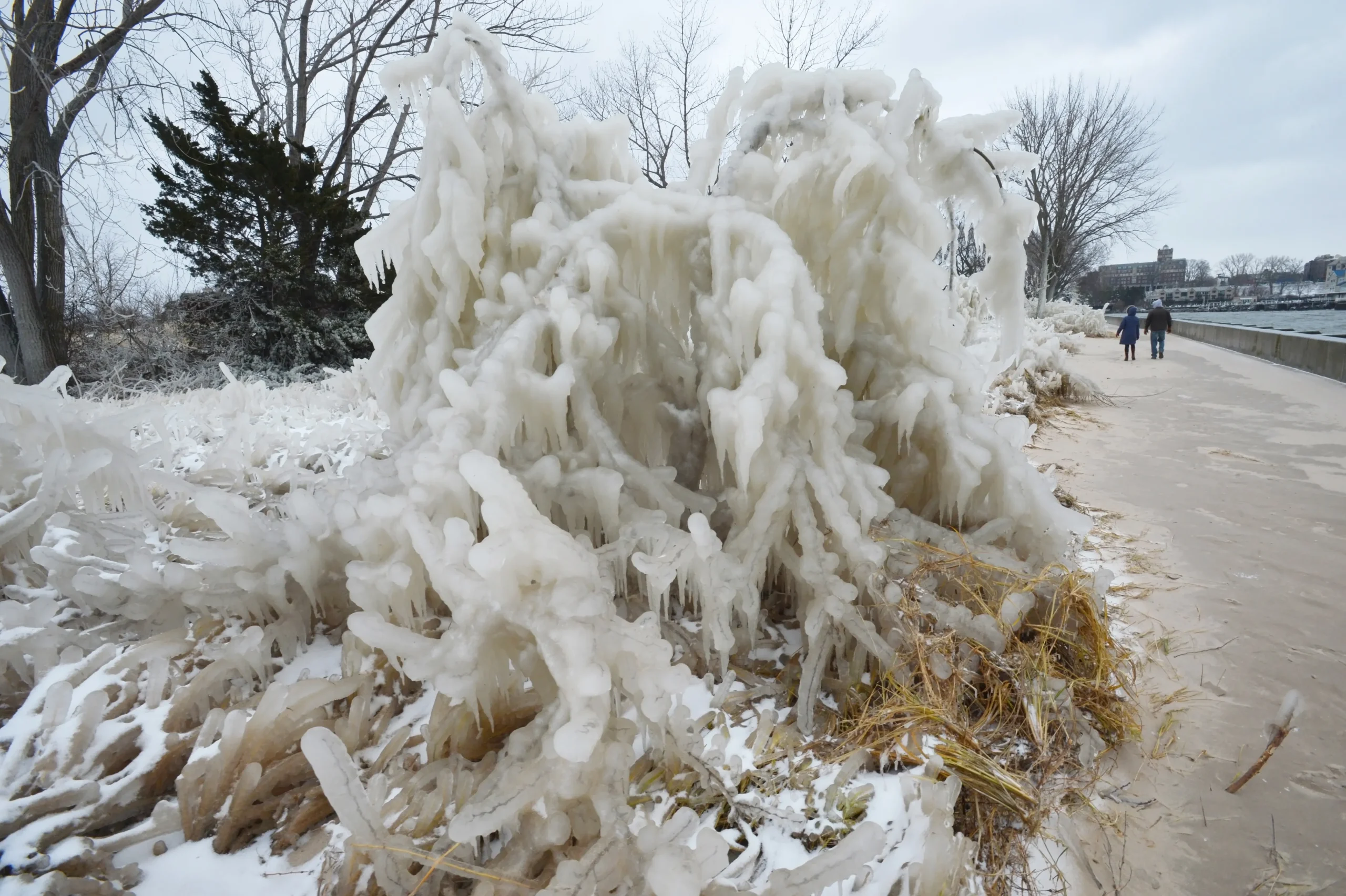
A deep freeze is settling over large portions of the American Midwest, compounding the damage and disruption left behind by a powerful winter storm that swept across the region in recent days. Forecasters warn that dangerously low temperatures and brutal wind chills will follow heavy snow, ice, and high winds, creating hazardous conditions for millions as utilities, emergency crews, and local governments race to respond.
Meteorologists say the frigid air mass moving in behind the storm could push wind chills to near-zero or even well below zero across parts of Iowa, Nebraska, Minnesota, Wisconsin, and Michigan, raising concerns about power reliability, travel safety, and exposure risks for vulnerable populations.
A Rapidly Intensifying Storm Leaves Its Mark
The storm system that triggered the latest cold outbreak strengthened rapidly as it crossed the Midwest and Great Lakes, intensifying quickly enough to meet the criteria of a “bomb cyclone.” This type of storm forms when atmospheric pressure drops sharply in a short period of time, allowing winds to strengthen and precipitation to intensify.
As the system barreled eastward, it delivered a mix of snow, sleet, freezing rain, and rain across a wide swath of the country. Gusty winds knocked down trees and power lines, while heavy snowfall blanketed roads and neighborhoods from the Plains to the Northeast.
In many areas, the storm moved quickly but violently, leaving behind icy roads, snowdrifts, and scattered outages—conditions that now make the incoming cold even more dangerous.

Life on the Edge of the Storm
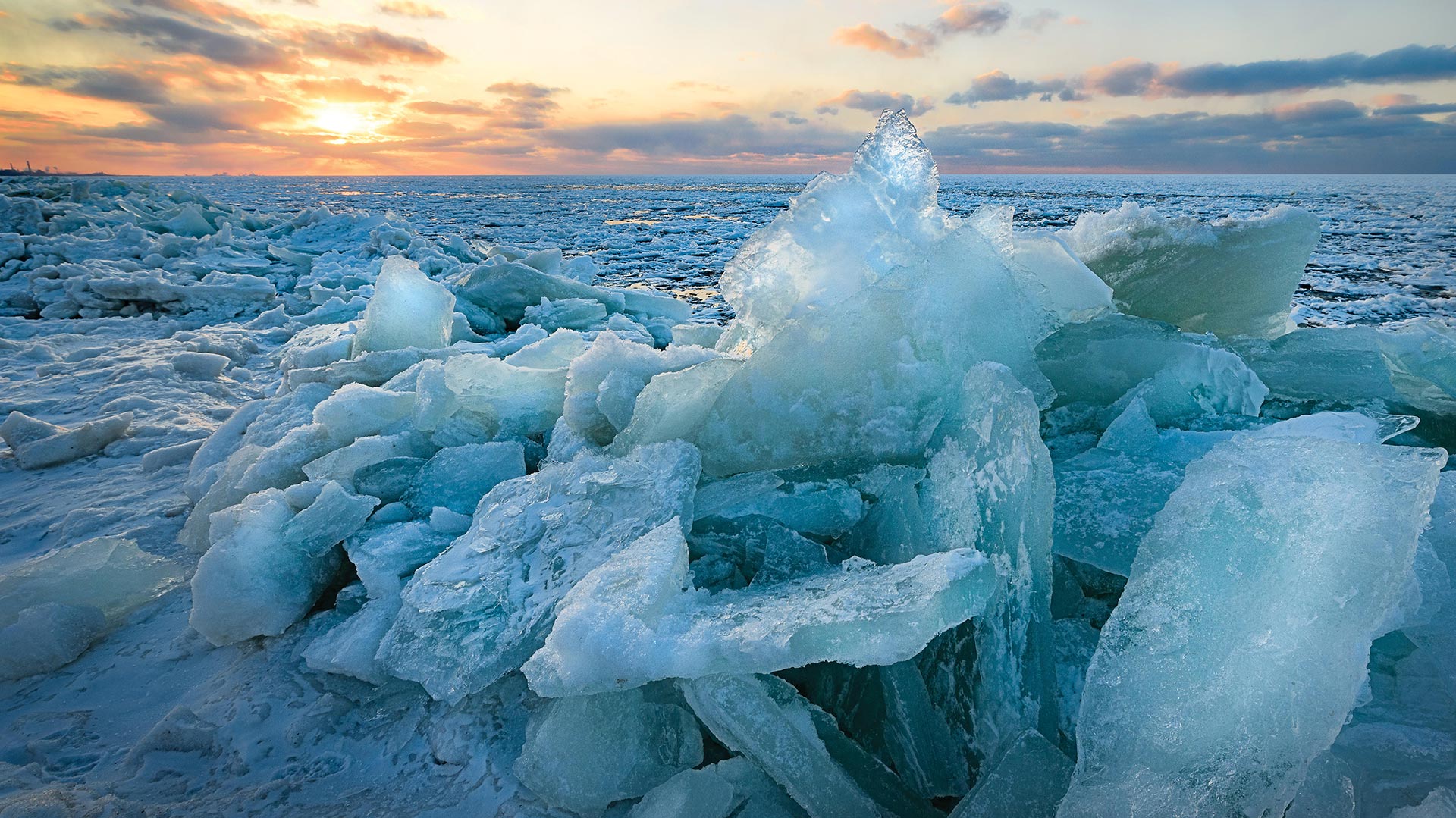
Along the shores of Lake Superior, the storm’s force was especially dramatic. In Michigan’s Upper Peninsula, residents reported wind gusts exceeding 70 miles per hour, with waves slamming into rocky cliffs and lakeside structures.
One lighthouse keeper living along the lake described the storm as the most intense he had experienced in years. As power failed for nearly two days, the historic beacon went dark, forcing him to rely on fireplaces and oil lamps while the building shook under the assault of wind and waves.
Such conditions are not uncommon along the Great Lakes during winter storms, but the combination of high winds, heavy precipitation, and now extreme cold heightens the risk for anyone caught unprepared.
Bitter Cold Follows Close Behind
As the storm system moved east, Arctic air surged southward into its wake. Forecasters say temperatures across the Midwest will plunge sharply, with overnight lows falling well below freezing and daytime highs struggling to climb.
In northern Wisconsin’s heavily forested Northwoods region, temperatures are expected to drop to around minus 10 degrees Fahrenheit, with wind chills potentially reaching minus 20 to minus 25 degrees. Similar conditions are forecast across parts of Minnesota, Iowa, and northern Michigan.
Meteorologists caution that wind chills in this range can cause frostbite on exposed skin in as little as 30 minutes—or even faster in some cases.
Power Outages Complicate Recovery
Across the country, tens of thousands of customers remained without electricity as crews worked to restore service damaged by the storm’s high winds and heavy snow. Cold weather places additional strain on power systems, as heating demand rises sharply just as infrastructure is most vulnerable.
Utilities urged residents to conserve energy where possible and to report downed lines or outages promptly. Emergency management officials emphasized the importance of backup heat sources, warm clothing, and checking on elderly neighbors and those without reliable shelter.
For households still waiting for power restoration, the arrival of extreme cold has raised fears of frozen pipes, unsafe indoor heating practices, and prolonged exposure to freezing temperatures.

Lake-Effect Snow Cranks Up Again
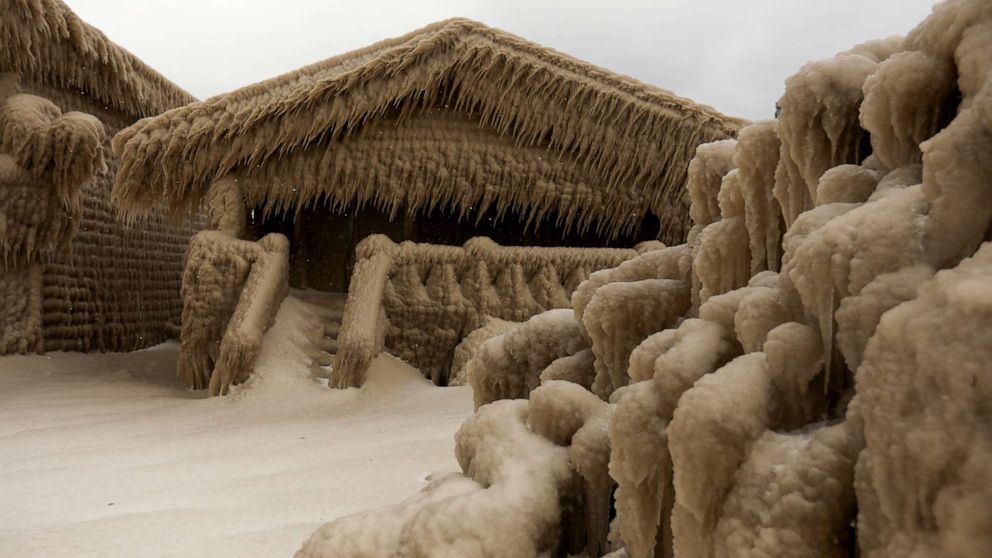
The National Weather Service says the incoming cold air will supercharge lake-effect snow bands downwind of the Great Lakes. Cold air passing over relatively warmer lake waters can generate intense, localized snowfall, often dumping feet of snow on communities just miles apart.
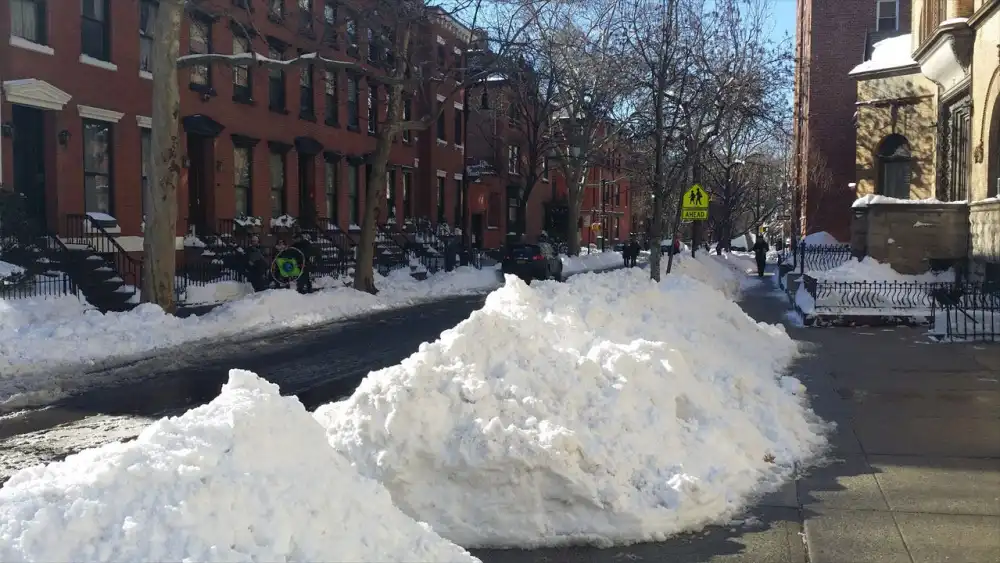
Parts of western and upstate New York are expected to see snowfall totals approaching or exceeding three feet in some locations this week. Strong winds will further reduce visibility, creating whiteout conditions at times.
Officials warned that travel could become extremely dangerous or impossible in the heaviest snow bands, particularly overnight and during morning commutes.
Stories From the Ground
In areas already hit hard by the storm, residents described how quickly conditions deteriorated. In western New York, powerful gusts made it difficult to walk outdoors, with some people knocked off their feet by the wind.
Emergency responders across the region handled an influx of calls related to stranded vehicles, fallen trees, and medical emergencies linked to cold exposure and slippery conditions.
Animal shelters also faced challenges. In New Jersey, snow damage forced a large shelter to seek emergency foster homes for dozens of dogs after part of its facility became unsafe. Volunteers scrambled to relocate animals while repairs were delayed by ongoing weather conditions.
Midwest, Northeast, and Beyond
While the Midwest remains the focal point of the cold outbreak, its effects are being felt far beyond the region. Frigid air is spreading across much of the eastern two-thirds of the country, lowering temperatures and increasing the risk of icy conditions from the Plains to the East Coast.
Air travel disruptions have already mounted, with thousands of flights canceled or delayed as airlines struggle to reposition crews and aircraft amid the storm’s aftermath. Major airports in snow-prone regions reported delays as ground crews battled snow, ice, and freezing temperatures.
Transportation officials urged travelers to check conditions frequently, allow extra time, and consider postponing nonessential trips.
West Coast Weather Whiplash
While much of the nation shivers, the West Coast faces a different set of hazards. In Southern California, powerful Santa Ana winds with gusts topping 70 miles per hour knocked down trees and power lines, particularly in areas where soil was saturated by recent rain.
Authorities issued evacuation warnings near burn scars left by this year’s wildfires, as even moderate rainfall could trigger dangerous mudslides. Law enforcement officers went door-to-door advising residents to be ready to leave at a moment’s notice.
Meanwhile, rain forecast for New Year’s Day could dampen one of the nation’s most iconic events—the Rose Parade in Pasadena—potentially marking its first rainy edition in nearly two decades.
Alaska Sees Historic Cold and Snow
Even by Alaskan standards, conditions have been extreme. In Fairbanks, temperatures plunged as low as minus 48 degrees Fahrenheit, prompting warnings about ice fog and life-threatening cold.
The prolonged deep freeze led officials to postpone outdoor events, including a planned New Year’s Eve fireworks display. In Juneau, relentless snowfall shattered a December record set more than six decades ago, overwhelming road crews and testing city resources.
Safety Warnings and What Comes Next
Emergency officials across the Midwest and Great Lakes region stress that the coming days will require vigilance. Residents are urged to dress in layers, limit time outdoors, and ensure pets are sheltered from the cold. Carbon monoxide risks rise during cold snaps as people rely on alternative heating sources, making proper ventilation critical.
Meteorologists say the cold pattern could persist into early January, though temperatures are expected to fluctuate as additional systems move through.
For now, the message from forecasters is clear: winter is far from over, and the combination of lingering storm impacts and extreme cold poses a serious threat. Communities are being urged to prepare, stay informed, and look out for one another as the Midwest endures another punishing stretch of winter weather.

Emily Johnson is a critically acclaimed essayist and novelist known for her thought-provoking works centered on feminism, women’s rights, and modern relationships. Born and raised in Portland, Oregon, Emily grew up with a deep love of books, often spending her afternoons at her local library. She went on to study literature and gender studies at UCLA, where she became deeply involved in activism and began publishing essays in campus journals. Her debut essay collection, Voices Unbound, struck a chord with readers nationwide for its fearless exploration of gender dynamics, identity, and the challenges faced by women in contemporary society. Emily later transitioned into fiction, writing novels that balance compelling storytelling with social commentary. Her protagonists are often strong, multidimensional women navigating love, ambition, and the struggles of everyday life, making her a favorite among readers who crave authentic, relatable narratives. Critics praise her ability to merge personal intimacy with universal themes. Off the page, Emily is an advocate for women in publishing, leading workshops that encourage young female writers to embrace their voices. She lives in Seattle with her partner and two rescue cats, where she continues to write, teach, and inspire a new generation of storytellers.