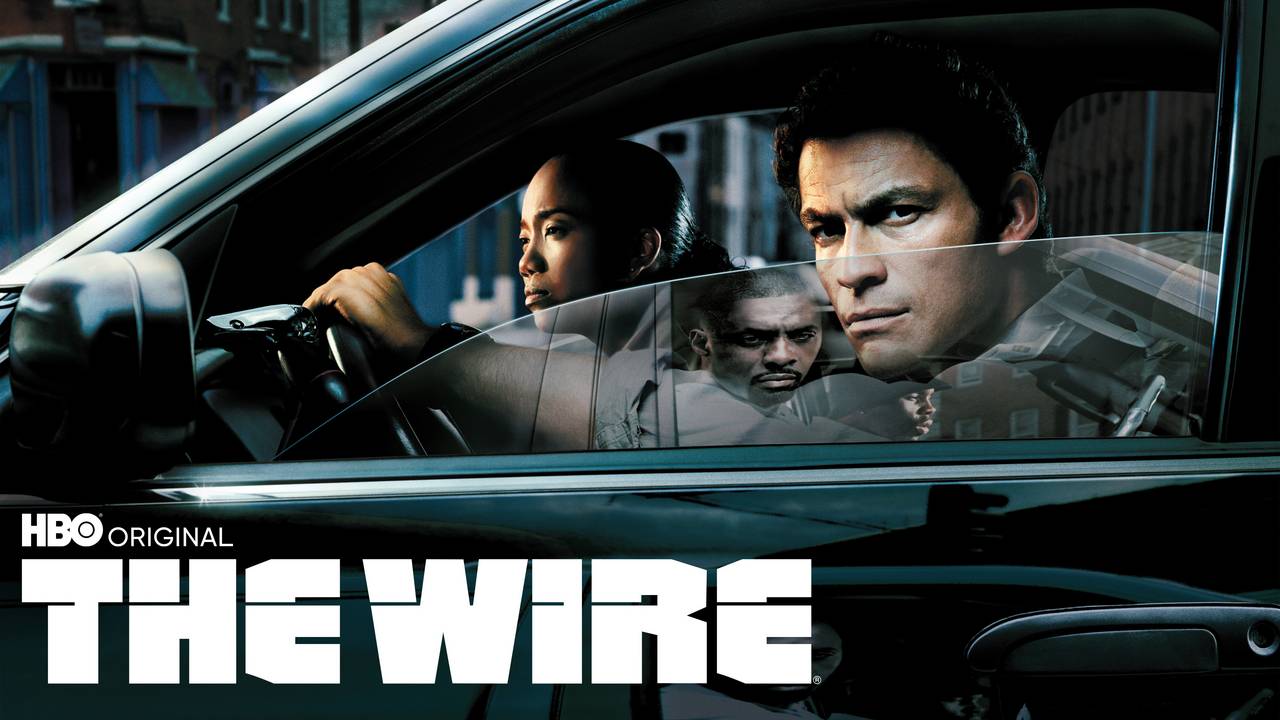
The entertainment industry is mourning the loss of a towering presence whose work shaped some of the most influential television dramas and political satires of the modern era. A veteran performer known for his commanding voice, sharp wit, and ability to embody power, corruption, and humor all at once has died at the age of 71 after a short illness in New York.
For decades, audiences recognized him instantly—even if they did not always know his name. He was the kind of actor whose arrival in a scene immediately raised its stakes, whose delivery could turn a single line into a moment that lingered long after the episode ended. His death marks the quiet end of a career that profoundly influenced American television and film without ever relying on celebrity spectacle.
His manager confirmed that he passed away peacefully earlier this week, prompting an outpouring of tributes from directors, writers, actors, and fans who understood just how rare his talent was.
A Performer Who Defined an Era of Prestige Television
In the late 1990s and early 2000s, as television entered what many now call its “golden age,” this actor became a foundational figure in the rise of complex, morally challenging storytelling. He did not play heroes. Instead, he specialized in characters who reflected uncomfortable truths about power, politics, and human nature.
Audiences came to associate him with roles that felt unsettlingly real—figures who were charming, manipulative, hilarious, and dangerous, sometimes all at once. His performances did not ask for sympathy, yet they demanded attention.
Nowhere was that more evident than in the HBO crime drama that redefined how television could examine institutions, corruption, and society itself. Over multiple seasons, his character became one of the most quoted, dissected, and remembered figures in the entire series.
The Role That Made Him Unforgettable
Midway through his career, he stepped into a role that would cement his place in television history: a flamboyant, openly corrupt politician whose booming speeches and courtroom theatrics became instantly iconic. Across five seasons, he appeared repeatedly, each time stealing scenes with a mix of humor and menace that perfectly captured the moral rot at the heart of the story.
Viewers laughed—but uneasily. His character was funny because he was real. The bravado, the deflection, the unapologetic entitlement all mirrored real-world power structures. Critics later noted that the performance worked because the actor never treated the character as a joke.
Only at this point does the full weight of his legacy become clear.
The actor was Isiah Whitlock Jr., best known to millions as the unforgettable Clay Davis on HBO’s The Wire.
Beyond One Iconic Role
While Clay Davis made him a cultural touchstone, it was far from his only defining work. Following the success of The Wire, Whitlock transitioned seamlessly into another HBO hit—this time a razor-sharp political comedy that skewered Washington ambition and incompetence.
On Veep, he portrayed a blustering Secretary of Defense whose self-importance frequently collided with the show’s cynical take on power. Once again, Whitlock proved he could dominate both drama and comedy without changing his core approach: play the truth of the character, no matter how absurd.
His work on Veep introduced him to a new generation of viewers, many of whom quickly realized they had seen—and loved—him before.
A Creative Bond With a Legendary Director
Whitlock’s film career was deeply intertwined with director Spike Lee, with whom he collaborated on five films over nearly two decades. Their partnership spanned projects that tackled race, politics, war, and American identity, with Whitlock often cast in roles requiring authority and moral complexity.
Lee described Whitlock as irreplaceable—not just professionally, but personally.
“He was a beautiful soul,” Lee said. “If you were around him, he made everybody feel good in his presence.”
Their final collaboration, Da 5 Bloods, was filmed on location in Thailand, where the two spent extended time together. Lee later recalled those weeks as some of his most cherished memories working with Whitlock.
From the Midwest to the Spotlight
Born in South Bend, Indiana, Whitlock did not initially plan on becoming an actor. He attended Southwest Minnesota State University, where he played football before injuries redirected his path. Turning to theater, he discovered a calling that would define the rest of his life.
After college, he moved to San Francisco and immersed himself in stage work, developing the vocal control, physical presence, and discipline that later made him such a force on screen. Those years in theater grounded him, giving him tools that translated effortlessly to television and film.
By the late 1980s, Whitlock was landing small television roles and film appearances, including brief parts in Goodfellas and Gremlins 2: The New Batch. Though minor at the time, these roles placed him within Hollywood’s ecosystem, where his reliability quickly became his calling card.
A Gentleman of the Craft
Colleagues consistently described Whitlock as generous, professional, and deeply committed to the work. The Wire creator David Simon called him “the greatest gentleman,” emphasizing that his character off-screen matched the integrity of his performances.
Whitlock was known to mentor younger actors quietly, offering advice without fanfare. He showed up prepared, respected crews, and never treated supporting roles as lesser work.
That attitude earned him steady employment for decades—a rare feat in an industry defined by volatility.
A Legacy That Outlives the Moment
Whitlock’s death comes at a poignant time, following the recent passing of another The Wire alumnus. For fans of the series, it underscores how deeply that show’s cast shaped modern television—and how irreplaceable its performers were.
At 71, Whitlock leaves behind no scandal, no unfinished legacy, no footnotes needing correction. Instead, he leaves performances that continue to resonate, lines that still echo, and characters that remain disturbingly relevant.
He may never have chased stardom, but he achieved something far rarer: permanence.
Isiah Whitlock Jr. will be remembered not just for who he played, but for how he played them—with truth, presence, and an unmistakable voice that television will not soon forget.