



A Political Alliance Comes Apart Behind Closed Doors
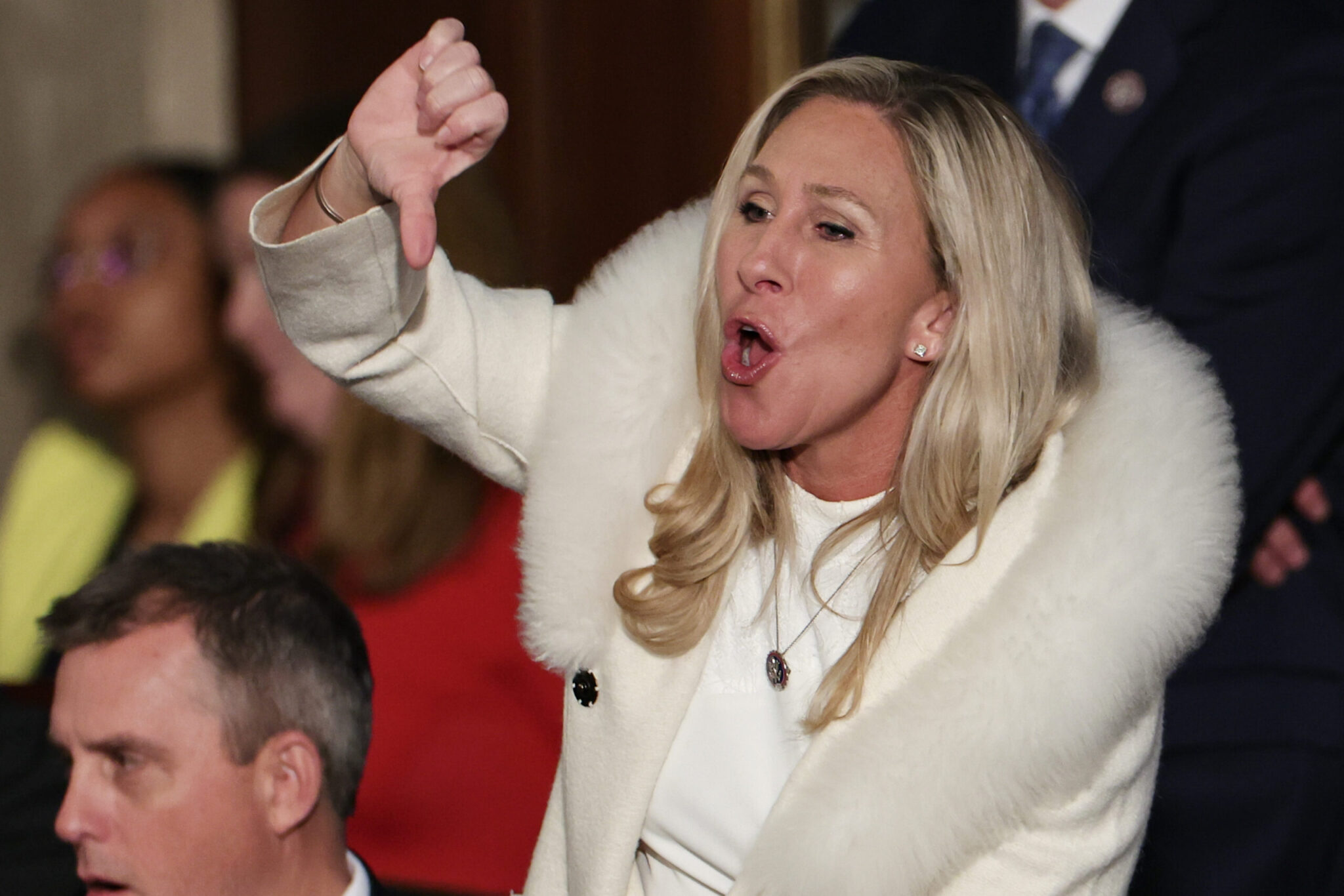
For years, Representative Marjorie Taylor Greene stood among President Donald Trump’s most outspoken defenders, championing his agenda and amplifying his messaging at nearly every turn. Their relationship, once viewed as mutually beneficial and ideologically aligned, has now fractured—apparently beyond repair.
According to new reporting and public comments from Greene herself, the breaking point came during a private confrontation over the release of files tied to disgraced financier Jeffrey Epstein. At the center of the fallout was a tense phone call that Greene says revealed a stark divide between her stated push for transparency and Trump’s concerns about political and personal consequences.
The Threat That Triggered the Fallout
The rupture reportedly began after Greene publicly vowed to name individuals allegedly connected to Epstein following a closed-door meeting with survivors in September. Speaking to reporters afterward, she promised to “say every damn name,” framing the issue as one of justice for victims and accountability for powerful figures long shielded from scrutiny.
That pledge, Greene now says, prompted an explosive reaction.
According to her account, Trump phoned her Capitol Hill office directly. The call, which staffers reportedly overheard on speakerphone, quickly escalated into shouting. When Greene pressed him on why he opposed her efforts, she claims Trump responded with a blunt warning: “My friends will get hurt.”


A Final, Irreparable Break
Greene has said the phone call marked the last direct conversation between the two. She also alleges that Trump angrily dismissed her proposal to invite Epstein survivors to the White House, telling her they had done nothing to merit such recognition.
For Greene, that response symbolized what she describes as a broader moral failure in Washington.
“The Epstein files represent everything wrong with this town,” she told reporters later. “Rich, powerful elites doing horrible things and getting away with it. And the women are the victims.”
Her remarks underscored a shift in tone from a lawmaker once defined by loyalty to Trump to one openly challenging him on an issue that has long inflamed public anger.
White House Pushes Back Hard
The White House swiftly rejected Greene’s version of events, framing her comments as politically motivated and dismissive of her responsibilities as a lawmaker.
In a statement, White House spokesperson Davis Ingle emphasized that Donald Trump remains the central figure of the MAGA movement, while accusing Greene of abandoning her constituents.
“President Trump remains the undisputed leader of the greatest and fastest growing political movement in American history,” the statement read. “On the other hand, Congresswoman Greene is quitting on her constituents in the middle of her term.”
The response highlighted the widening gap between Greene and Trump-world insiders, many of whom have sought to downplay internal disagreements as the administration focuses on broader legislative goals.
The Epstein Files Transparency Act
Despite his reported anger, Trump later signed the Epstein Files Transparency Act into law. The legislation passed the House by an overwhelming margin and was unanimously approved by the Senate, mandating the release of Epstein-related records within 30 days, with allowances for redactions to protect victims and sensitive information.
Greene supported the measure enthusiastically, though she has since said Trump was furious when she joined a House petition pressing for its release.
“He was extremely angry at me,” she said in a televised interview. “He said it was going to hurt people.”
The Justice Department ultimately missed the December 19 deadline and began releasing documents in batches, many of them heavily redacted—fueling frustration across the political spectrum.

Public Reaction to the File Releases
The initial releases sparked backlash rather than closure. Among the materials were photographs showing Epstein alongside prominent figures, including Trump, Bill Clinton, and Michael Jackson—none of whom have been accused of wrongdoing in the Epstein case.
The releases also included an unverified allegation against Trump that the DOJ later labeled “untrue and sensationalist,” as well as a bizarre, fabricated note allegedly written by Epstein to Larry Nassar. The FBI subsequently confirmed the note was fake.
A short-lived upload of a supposed jail cell suicide video—later removed—further undermined public confidence in the process.
Survivor Anger and Growing Distrust
For some Epstein survivors, the staggered and redacted release deepened feelings of betrayal.
Haley Robson, a survivor and Republican voter, publicly withdrew her support from several administration figures after reviewing the files.
“I redact any support I’ve ever given,” she said in an interview. “If these are just pictures, why are you so scared to release the names?”
Robson questioned why officials repeatedly emphasized that appearing in a photograph with Epstein does not imply guilt, while simultaneously resisting broader disclosure.
Her remarks echoed a growing sentiment among survivors and advocates who argue that partial transparency risks protecting powerful interests rather than exposing wrongdoing.

A Symbolic Fight With Lasting Consequences
The dispute has become emblematic of a larger struggle within American politics: the tension between populist demands for full transparency and institutional caution about reputational harm, legal exposure, and unintended fallout.
For Greene, the issue appears to have redefined her political identity. Once known primarily as a Trump ally, she now positions herself as an outspoken critic on one of the most sensitive scandals of modern times.
For Trump, the episode underscores the political risks of the Epstein case—an issue that continues to surface despite years of investigations, prosecutions, and public scrutiny.
What Comes Next
As more documents are released and investigations continue, the rift between Trump and Greene shows no sign of healing. Their split serves as a reminder that alliances built on ideology can fracture when confronted with moral absolutes and personal stakes.
Whether the Epstein files ultimately bring clarity or further controversy remains uncertain. What is clear is that the fallout has already reshaped relationships at the highest levels of American politics—and exposed just how explosive the search for accountability can be.

Emily Johnson is a critically acclaimed essayist and novelist known for her thought-provoking works centered on feminism, women’s rights, and modern relationships. Born and raised in Portland, Oregon, Emily grew up with a deep love of books, often spending her afternoons at her local library. She went on to study literature and gender studies at UCLA, where she became deeply involved in activism and began publishing essays in campus journals. Her debut essay collection, Voices Unbound, struck a chord with readers nationwide for its fearless exploration of gender dynamics, identity, and the challenges faced by women in contemporary society. Emily later transitioned into fiction, writing novels that balance compelling storytelling with social commentary. Her protagonists are often strong, multidimensional women navigating love, ambition, and the struggles of everyday life, making her a favorite among readers who crave authentic, relatable narratives. Critics praise her ability to merge personal intimacy with universal themes. Off the page, Emily is an advocate for women in publishing, leading workshops that encourage young female writers to embrace their voices. She lives in Seattle with her partner and two rescue cats, where she continues to write, teach, and inspire a new generation of storytellers.