



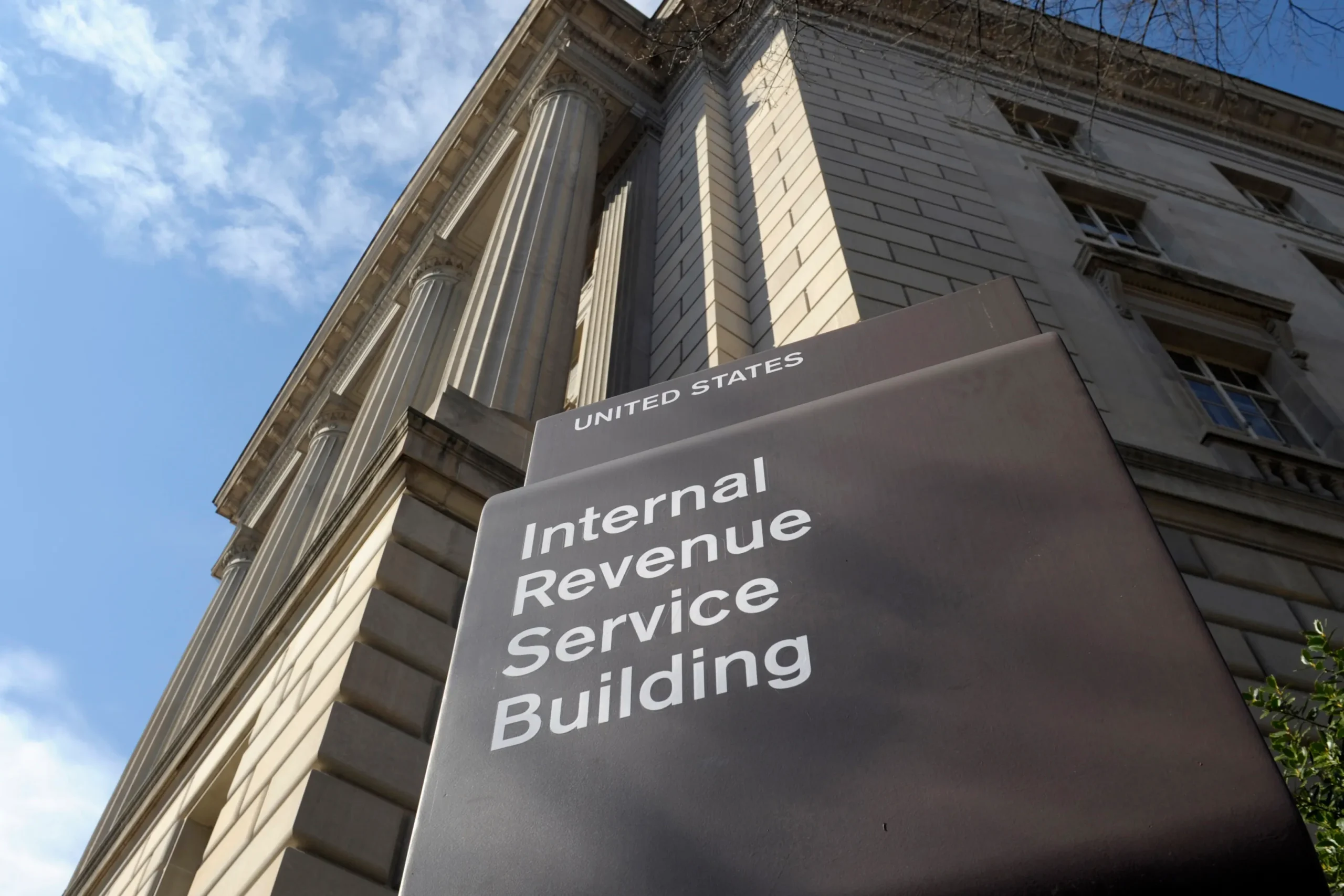
As Americans look ahead to the next tax-filing season, new projections from federal officials are drawing attention to what could become one of the most significant periods of tax relief in recent history. According to senior government figures, changes enacted over the past year may translate into tangible financial benefits for millions of households, particularly those in the middle class.
While tax policy debates often feel abstract or distant, officials say the effects of the latest legislation will be felt directly in paychecks and refund statements. For many families still navigating high living costs, the developments could arrive at a critical moment.
A Broad Promise of Relief Takes Shape
Federal tax authorities are now projecting that a substantial majority of middle-income Americans will see some form of tax relief next year. The estimate, shared during a recent media appearance, suggests that the impact will be both widespread and noticeable.
At the center of the projection is a new framework that reduces certain tax burdens while changing how income and benefits are treated. Supporters argue the changes are designed to put more money back into the hands of working families, retirees, and people on fixed incomes.
Officials emphasized that the relief would not be limited to narrow categories, but would instead extend across much of the middle class.
Who Is Making the Case
The comments came from Internal Revenue Service leadership during a televised interview this week.
According to Frank Bisignano, the agency now expects that roughly 94 percent of middle-class taxpayers will receive some level of tax benefit in the coming year.
“You’re going to look at probably 94 percent-plus of middle-class Americans getting a boost,” Bisignano said, explaining that the changes are expected to lower effective tax rates while increasing refunds for many households.
Bisignano also serves as commissioner of the Social Security Administration, a dual role that places him at the center of both tax collection and benefit administration.
Social Security Changes Draw Special Attention
One of the most closely watched aspects of the projected tax relief involves Social Security benefits.
Bisignano said recipients could see refunds of up to $6,000, driven by the administration’s commitment to reducing or eliminating the taxation of certain Social Security benefits.
“When it comes to Social Security, it will be the biggest refunds that we’ve ever seen,” he said during the interview.
For retirees and older Americans who rely heavily on fixed incomes, the prospect of larger refunds has sparked significant interest. Social Security taxation has long been a sensitive issue, particularly as inflation and healthcare costs continue to pressure household budgets.
How the Changes Took Effect
The projections follow the passage of a sweeping tax and spending package signed into law over the summer by Donald Trump.
Supporters of the legislation say it modernized parts of the tax code that had not kept pace with economic realities. Critics, meanwhile, argue the benefits are uneven or favor certain groups more than others.
Regardless of political debate, administration officials say many of the changes apply retroactively, meaning taxpayers could see their effects reflected in refunds rather than monthly withholding.
Additional Confirmation From Economic Leaders
Bisignano’s remarks echoed similar projections made by other senior economic officials.
Treasury Secretary Scott Bessent and White House economic adviser Kevin Hassett have both suggested that the 2026 tax year could bring unusually large refunds.
Hassett said recently that the country is likely to experience “the biggest refund cycle ever in the history of America,” adding that some households could receive checks totaling several thousand dollars.
According to Hassett, many of the tax changes affecting the prior year were not reflected in earlier tax forms, which could further increase refund amounts once filings are processed.
A New Role at the IRS
Bisignano’s public comments have drawn additional attention because of his relatively new position.
He was appointed as the first chief executive officer of the IRS in October, a role created under the current administration as part of a broader restructuring of the federal tax agency.
The move was framed as an effort to modernize operations, improve efficiency, and strengthen communication between the agency and taxpayers.
As CEO, Bisignano has taken a more public-facing role than many of his predecessors, frequently speaking about upcoming changes and expectations.
Broader Economic Context
The tax relief projections come amid mixed but improving economic signals.
Recent data from the Labor Department showed a decline in inflation, offering some relief after years of elevated prices. At the same time, U.S. gross domestic product grew at an annualized rate of 4.3 percent in the third quarter of 2025, according to the Bureau of Economic Analysis.
Federal officials attributed the growth to increases in consumer spending, exports, and government investment, while noting that imports declined — a factor that boosted the overall GDP calculation.
Supporters of the administration say these indicators strengthen the case that tax relief can be delivered without undermining economic stability.
Political Reactions Remain Divided
Not everyone is convinced that the tax changes will deliver the promised benefits.
Democratic leaders, including Senate Minority Leader Chuck Schumer, have criticized the administration’s economic approach, arguing that it does not adequately address cost-of-living pressures facing everyday Americans.
In recent statements, Schumer said the White House is disconnected from the financial realities experienced by many households, particularly those struggling with housing, healthcare, and food costs.
The administration, meanwhile, has continued to highlight additional proposals aimed at easing financial strain, including tariff-derived dividend checks and targeted bonuses for certain groups.
What Taxpayers Should Expect Next
The 2026 tax-filing season is scheduled to begin on January 28, 2026, and will run through April 15, 2026.
Tax professionals advise that while projections are encouraging, individual outcomes will still depend on income, filing status, benefit eligibility, and how specific provisions apply to each household.
Experts also caution taxpayers to watch for official IRS guidance and updated forms, as the implementation details of recent changes will determine how refunds are calculated.
A Moment With Real Financial Impact
For many Americans, tax policy discussions feel distant until numbers appear on a refund line. If projections hold, next year could mark a rare moment when a large share of middle-class households sees measurable financial relief at the same time.
Whether the changes live up to their promise will become clearer once filings begin. But for now, federal officials are signaling confidence that the next tax season could look very different from the last — and, for many, significantly more favorable.

Emily Johnson is a critically acclaimed essayist and novelist known for her thought-provoking works centered on feminism, women’s rights, and modern relationships. Born and raised in Portland, Oregon, Emily grew up with a deep love of books, often spending her afternoons at her local library. She went on to study literature and gender studies at UCLA, where she became deeply involved in activism and began publishing essays in campus journals. Her debut essay collection, Voices Unbound, struck a chord with readers nationwide for its fearless exploration of gender dynamics, identity, and the challenges faced by women in contemporary society. Emily later transitioned into fiction, writing novels that balance compelling storytelling with social commentary. Her protagonists are often strong, multidimensional women navigating love, ambition, and the struggles of everyday life, making her a favorite among readers who crave authentic, relatable narratives. Critics praise her ability to merge personal intimacy with universal themes. Off the page, Emily is an advocate for women in publishing, leading workshops that encourage young female writers to embrace their voices. She lives in Seattle with her partner and two rescue cats, where she continues to write, teach, and inspire a new generation of storytellers.