


A routine safety review has escalated into a major consumer alert after federal health officials uncovered troubling conditions inside a Midwest distribution facility. What initially appeared to be a standard inspection instead revealed an environment that regulators say posed serious risks to public health.
As a result, thousands of everyday products — many found in medicine cabinets, kitchen drawers, and bathroom shelves — are now being pulled from store shelves, prompting concern among consumers and retailers alike.
An Inspection That Raised Immediate Alarms
Federal investigators examining a warehouse used to store consumer goods discovered extensive contamination linked to animals and pests. According to officials, evidence of rodents, birds, and insects was found throughout the facility, including in areas where products intended for human and animal use were kept.
Inspectors documented rodent droppings, rodent urine, and bird waste in storage zones that housed medicines, medical devices, cosmetics, dietary supplements, packaged foods, and pet food — all stored together in the same environment.
Health officials warned that such conditions create a high risk of contamination, especially when products are exposed to airborne particles or surfaces tainted by animal waste.
Why These Conditions Matter
Products stored under unsanitary conditions can become unsafe even if their packaging appears intact. Fine particles from waste can spread through the air, settle on surfaces, and contaminate items that are later ingested, applied to skin, or used in medical settings.
Public health experts note that this type of contamination is especially concerning because many affected products are used by vulnerable populations, including children, older adults, pregnant individuals, and people with weakened immune systems.
The findings prompted swift action to prevent potentially dangerous products from remaining in circulation.
The Scope of the Recall Begins to Emerge
As regulators reviewed inventory records, it became clear that the potential exposure extended far beyond a limited batch or single product category.
The recall includes a wide range of common household items, including over-the-counter pain relievers, cold and flu medications, allergy treatments, digestive aids, vitamins, herbal supplements, packaged candy, wellness products, and both human and pet food.
Medical devices and cosmetic products stored at the facility are also included, raising additional concerns about skin contact, eye exposure, and infection risk.
The Company Behind the Products Is Identified
Midway through the investigation, the distributor responsible for the affected inventory was identified as Gold Star Distribution Inc., a Minneapolis-based company that supplies consumer goods to retail stores across multiple states.
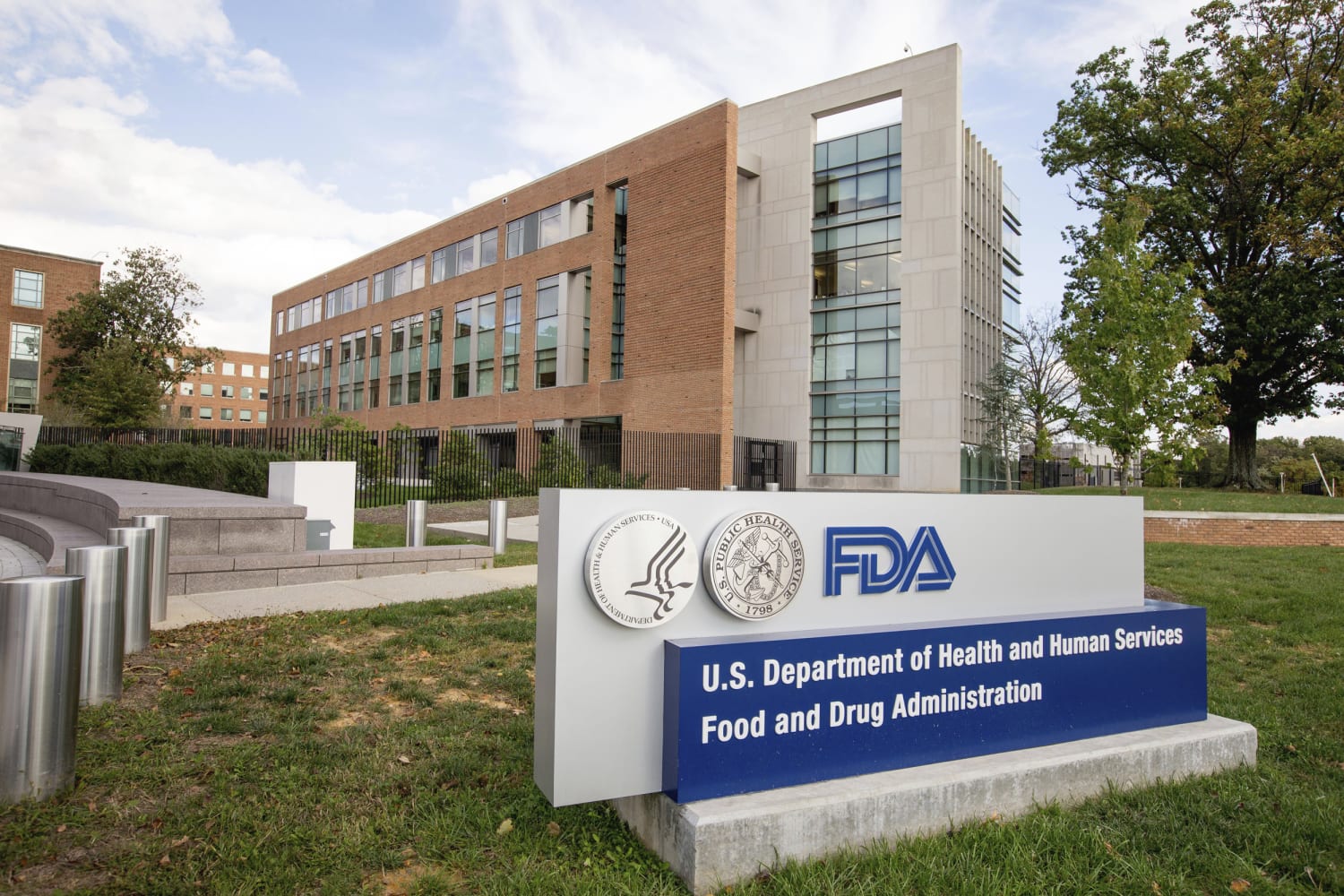
The company initiated the recall on December 26 after the U.S. Food and Drug Administration determined that the storage conditions at its facility posed a serious health risk.
In a formal announcement, the company acknowledged that products stored at the site may have been contaminated and confirmed that it was cooperating with federal authorities.
Popular Brands Caught Up in the Recall
The breadth of the recall has drawn particular attention because of the recognizable brands involved.
Among the affected items are widely used over-the-counter medications such as pain relievers, cold and flu treatments, allergy medicines, and stomach remedies. Popular candies and snacks are also included, along with dietary supplements marketed for wellness and male enhancement.
Because these products are typically consumed or used without much concern, health officials say consumers should carefully review any recent purchases and take the recall seriously.
Where the Products Were Distributed
The recalled items were shipped primarily to retail stores across Minnesota, including locations in Minneapolis, Saint Paul, Rochester, and several other cities throughout the state.
One store location in Indianapolis, Indiana, also received products from the affected distribution center.
Federal officials have released a detailed list of stores that may have received contaminated items, along with a comprehensive product inventory that includes hundreds of individual products identified by name, code, and barcode number.
Health Risks Linked to the Contamination
One of the most serious concerns tied to the recall is the risk of bacterial infection, particularly salmonella.
Salmonella infections can cause severe illness and, in some cases, be life-threatening. Infants, young children, elderly individuals, pregnant people, and those with compromised immune systems are considered especially vulnerable.
Symptoms in otherwise healthy individuals often include fever, diarrhea — which can sometimes be bloody — nausea, vomiting, and abdominal pain. In rare but serious cases, the infection can spread beyond the digestive system and lead to bloodstream infections or joint complications.
Additional Threats Beyond Foodborne Illness
Health officials also warned that the risks extend beyond salmonella.
Rodents are known carriers of leptospira bacteria, which can cause disease in both humans and animals. Exposure can occur through contact with contaminated surfaces or ingestion of affected products.
Medical devices stored in such conditions raise concerns about infection during use. Cosmetics applied to the skin or near the eyes may cause irritation, allergic reactions, or more serious infections. Pet food contaminated by animal waste can pose significant dangers to animals, particularly smaller pets or those with existing health conditions.
What Is and Is Not Included
The company clarified that the recall applies to all drugs, medical devices, cosmetics, dietary supplements, and human and pet food products that were stored at the affected facility.
However, frozen and refrigerated items that were shipped directly to retail locations by manufacturers or other distributors are not included in the recall.
Consumers are encouraged not to assume safety based on product type alone, but to verify whether their items appear on the official recall list.
No Illnesses Reported So Far
As of the announcement date, no confirmed illnesses had been directly linked to the recalled products.
Health officials emphasized that the recall is a precautionary measure intended to prevent potential harm before infections or injuries occur.
Still, they cautioned that symptoms related to exposure may not appear immediately and urged consumers to remain alert.
Instructions for Consumers and Retailers
Gold Star Distribution has instructed both consumers and retailers to destroy any affected products immediately.
Items should not be returned to the company or shipped back under any circumstances. Instead, consumers are asked to document destruction and provide receipts or proof to the company’s Minneapolis address in order to request refunds.
The distributor said refunds will be issued upon request once proper documentation is received.
Medical Guidance for Concerned Individuals
Consumers who believe they may have experienced health issues related to the recalled products are advised to contact a physician or healthcare provider.
Pet owners whose animals may have consumed affected food should consult a veterinarian, especially if pets show signs of illness such as vomiting, lethargy, or changes in appetite.
Early evaluation can help prevent complications if exposure has occurred.
Customer Support and Ongoing Investigation
The company has opened a customer service line to address questions related to the recall. Representatives are available seven days a week during business hours.
Meanwhile, federal health officials continue to review the case and monitor compliance with recall procedures.
A Reminder About Product Safety
This incident underscores the importance of proper storage and sanitation in the supply chain — and how quickly failures behind the scenes can affect consumers nationwide.
While recalls are not uncommon, the scale and nature of this one serve as a stark reminder that even familiar, trusted products can pose risks when safety standards break down.
For now, health officials urge consumers to stay informed, review recall lists carefully, and take prompt action to protect themselves and their families.

Sarah Mitchell is a bestselling novelist recognized for her insightful and emotionally resonant stories that explore the complexities of human relationships. Originally from Denver, Colorado, Sarah grew up in a family of teachers who nurtured her curiosity and love for storytelling. She studied psychology at Stanford University, where she became fascinated by the intricacies of human behavior—an interest that would later shape her writing career. Sarah’s novels are praised for their nuanced characters, intricate plots, and ability to capture the subtle tensions that define love, friendship, and family ties. Her breakthrough novel, The Spaces Between Us, became an instant bestseller, lauded for its honest portrayal of strained family relationships and the fragile bonds that hold people together. Since then, she has published several works that continue to captivate audiences around the world. Outside of her writing career, Sarah is passionate about mental health advocacy and often partners with organizations to promote awareness and support for those struggling with emotional well-being. Her personal life is quieter—she enjoys hiking in the Colorado mountains, practicing yoga, and spending time with close friends. With each new book, Sarah Mitchell cements her reputation as a writer who illuminates the beauty and struggles of human connection.