For decades, the music of one iconic band followed listeners through late-night drives, long winters, and quiet personal moments. The songs were instantly recognizable, yet layered enough to reward careful listening. On stage, the performances felt immersive rather than flashy, built on mood, texture, and emotional control.
While the spotlight naturally rested on the frontman, the sound itself depended on musicians who worked just outside of focus. They were the ones ensuring that each note landed where it should, that the atmosphere never collapsed under its own weight.
One such figure stood calmly in the background for years, moving between instruments with little fanfare. Many fans recognized his face without knowing his name. Fewer understood how much responsibility rested on his shoulders.
The Musicians Audiences Rarely Think About
Every long-running band eventually reaches a point where its music becomes too layered to rely on a single instrument or arrangement. Songs evolve, performances expand, and the need for versatility becomes unavoidable.
That is where certain musicians step in — not to redefine the band’s identity, but to protect it.
These players are expected to adapt instantly, cover multiple roles, and maintain consistency across tours that stretch for months. Their success is measured not by applause, but by how seamless everything feels.
For years, this quiet role was filled by someone who approached the work with discipline and restraint. He did not seek attention. He did not interrupt the mood. He simply ensured that the sound remained intact.
Entering a Band Already at Its Peak
By the time he became part of the lineup, the band was already established as a defining force in alternative music. Its reputation was secure, its audience global, and its catalog deeply personal to millions of listeners.
Yet success brought new challenges.
The music grew more ambitious, incorporating additional layers, extended arrangements, and shifting tones within the same performance. Live shows became longer and more demanding, often blending decades of material into a single night.
To make that work, the band needed musicians who could handle complexity without turning it into spectacle. The addition of a multi-instrumentalist proved essential.
A Familiar Figure for Dedicated Fans
For those who attended concerts during the band’s extensive touring years, his presence became familiar. He stood slightly back from center stage, focused and composed, often switching between keyboards and guitar without drawing attention to the transition.
He rarely addressed the crowd. He rarely stepped forward. His role was not to command the room, but to hold it together.
Fans may not have spoken his name often, but they felt his absence whenever he wasn’t there. The sound depended on him more than most realized at the time.
The News That Changed the Conversation
It was only midway through the week that the full meaning of the situation became clear.
Perry Bamonte, longtime keyboardist and guitarist for The Cure during some of the band’s most active and influential years, has died suddenly. He was 66 years old.
The announcement came without advance warning and with few public details. For many fans, the shock was immediate. For others, it took a moment to connect the name with the countless performances and recordings that had shaped their memories.
Once that connection was made, the loss felt heavier.

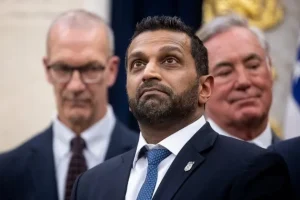
Perry Bamonte second from right
Why His Role Truly Mattered
Bamonte was not a temporary addition or a background substitute. He was deeply involved during a period when The Cure’s music reached massive audiences while retaining its emotional depth.
His ability to support complex arrangements made it possible for the band to perform songs live without stripping them down. Instead of simplifying the music, he helped preserve its richness on stage.
During tours that demanded stamina and precision, his reliability became invaluable. Night after night, he delivered consistency without drama — a quality that often goes unnoticed until it’s gone.
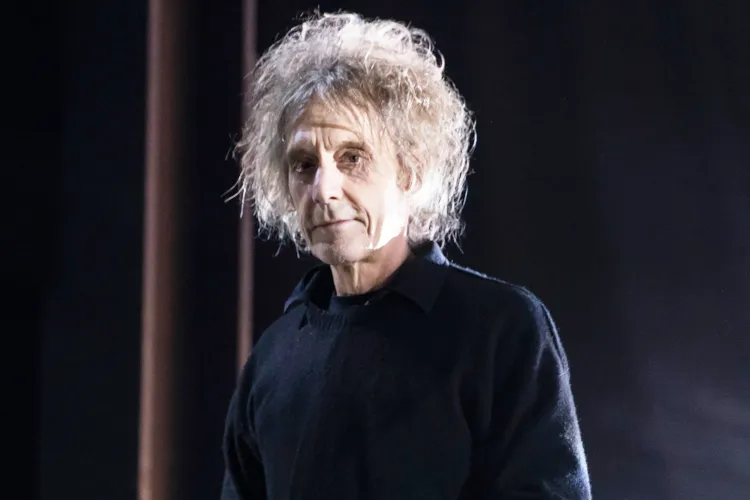
A Quiet Exit That Reflected His Career
When Bamonte eventually stepped away from the band in the mid-2000s, his departure mirrored the way he had always worked. There were no public disputes, no extended explanations, and no effort to reframe his contribution.
He simply moved on.
Yet the years he spent with the band remained embedded in live recordings, concert footage, and the memories of fans who experienced those shows firsthand. His work continued to circulate quietly, just as it always had.
Fans Reassessing the Past
In the days following the announcement, fans began revisiting old performances with fresh eyes. Many noticed details they had overlooked — transitions, harmonies, and textures that suddenly stood out.
Social media filled with reflections from listeners who realized how often his work had been part of their lives without them knowing his name. Stories surfaced from people who had attended multiple tours, now understanding who had helped create the sound they remembered so vividly.
It was a collective moment of recognition.
A Career Defined by Trust
In an industry often shaped by ego and visibility, Bamonte built a career on something quieter: trust.
Bandmates trusted him to adapt on the fly. Audiences trusted the sound to remain consistent. The music trusted him to stay out of its way.
That kind of contribution rarely draws headlines, but it leaves a lasting mark.
Remembering the People Who Make the Music Whole
The sudden death of Perry Bamonte is a reminder that music history is built not only by frontmen and familiar faces, but by musicians who commit themselves fully to the craft without asking for recognition.
His work lives on in performances that still resonate, in songs that continue to move listeners, and in a sound that would not have been the same without him.
Sometimes, the most important figures are the ones who never step forward — until the silence makes their absence impossible to ignore.