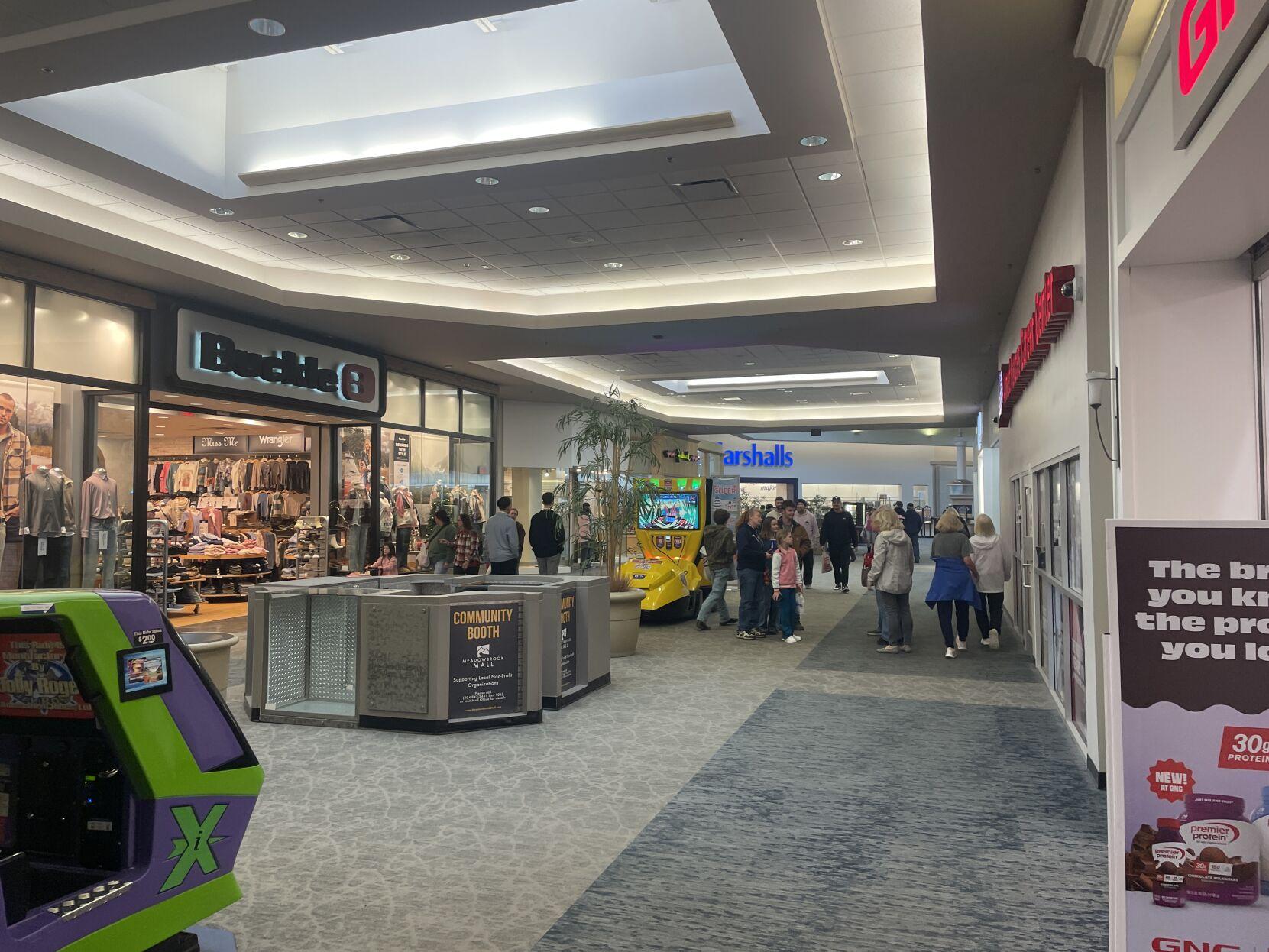
Shoppers returning unwanted holiday gifts this season are increasingly encountering a costly surprise: return and restocking fees that can reach as high as $45, particularly for items sent back by mail.
Across the United States, large retailers are tightening return policies in response to rising logistics costs, growing online return volumes, and what industry analysts describe as evolving consumer behavior. According to data reviewed by The Epoch Times and the National Retail Federation (NRF), nearly three out of four retailers now charge some form of return or restocking fee, most commonly when items are shipped back rather than returned in-store.
Retail experts say the shift reflects a broader recalibration of how companies manage returns, which have become a major financial burden in the era of e-commerce.
“Return policies and their overall process have transformed into a strategic touchpoint for retailers, influencing how younger consumers shop from the outset,” said David Sobie, co-founder and CEO of Happy Returns, in the NRF’s 2025 Retail Returns Landscape report.
Mail-In Returns Face the Highest Fees
The majority of fees apply to mail-in returns, which retailers say are significantly more expensive to process than in-store drop-offs. Shipping costs, inspection labor, repackaging, and potential resale losses all factor into the decision to pass some of the cost on to consumers.
Electronics retailers are among the most aggressive in charging restocking fees. Best Buy, for example, imposes a $45 restocking fee on opened devices such as smartphones, tablets, and digital wearables. The retailer also charges a separate restocking fee equal to 15 percent of the purchase price for select high-value items, including drones, electric wheelchairs, and premium saunas.
However, Best Buy does not apply restocking fees in several states—Alabama, Colorado, Hawaii, Iowa, Mississippi, Ohio, Oklahoma, and South Carolina—due to state or local regulations that restrict such charges.
Retailers argue that these fees are necessary to curb practices such as “bracketing,” in which customers purchase multiple versions of the same product with the intention of returning most of them.
“To stay competitive amid rising return rates and behaviors like bracketing, retailers must modernize their reverse logistics to enhance customer satisfaction, reduce fraud, and safeguard their operations in today’s high-pressure retail landscape,” Sobie said.
Department Stores and Apparel Chains Follow Suit
Department stores and apparel retailers have also implemented return fees, though typically at lower price points.
Macy’s charges customers $9.99 plus tax for mail-in returns if they are not members of the company’s Stars Rewards loyalty program. The retailer also applies a 15 percent return fee on items purchased from its lighting department, according to its return policy.
Off-price retailers T.J. Maxx and Marshalls charge $11.99 for items returned by mail, a policy that has drawn attention as more shoppers rely on online ordering for discounted goods that may not be available in local stores.
In contrast, many of these same retailers continue to offer free in-store returns, a strategy designed to drive foot traffic while avoiding shipping and handling expenses.
Macy’s, T.J. Maxx, and Marshalls all allow customers to return items in person without paying a fee, provided the return meets standard policy requirements.
Lower-Cost Options Still Exist
Not all retailers have adopted high return fees. Several popular chains remain on the lower end of the fee spectrum for mail-in returns.
American Eagle Outfitters charges a $5 return fee, while H&M charges $3.99. JCPenney applies an $8 fee for mailed returns, positioning itself between budget and premium retailers in terms of cost recovery.
Some brands opted to suspend return fees entirely during the holiday season in an effort to remain competitive and attract gift buyers.
Lululemon and Target both chose not to charge restocking fees during the holidays. Target prominently promoted its policy with the message: “Free returns, no matter how you do it.”
Walmart, meanwhile, generally does not charge restocking fees on returns processed directly through the company. However, the retailer notes that some third-party marketplace sellers may impose restocking fees of up to 20 percent, particularly for large items such as appliances and furniture.
Returns Remain a Massive Cost Center
Returns have become a growing expense for retailers, especially as online shopping continues to dominate consumer behavior.
Companies surveyed by the National Retail Federation estimate that 15.8 percent of total annual sales will be returned in 2025. Of those returns, nearly one-fifth—19.3 percent—are expected to come from online purchases, which are more costly to process than in-store returns.
Returned merchandise often cannot be resold at full price and may require inspection, refurbishment, or liquidation, further eroding profit margins.
Industry analysts say return fees are part of a broader push to make the true cost of returns more visible to consumers while discouraging excessive or impulsive purchasing.
Younger Shoppers Drive Return Volume
The NRF report also highlights generational differences in return behavior. Gen Z shoppers account for the largest share of online returns, with 7.7 percent of online purchases returned by consumers between the ages of 18 and 30.
Retailers say this demographic is more likely to shop online, experiment with multiple sizes or styles, and expect fast, flexible return options—factors that contribute to higher return volumes.
At the same time, younger consumers are also more price-sensitive, making return fees a potential point of friction that could influence where and how they shop.
A Shift in Consumer Expectations
For years, free returns were widely seen as a standard feature of online shopping. That expectation is now changing as retailers reassess the sustainability of generous return policies.
Retail executives argue that charging return fees allows them to maintain competitive pricing on products while offsetting operational losses tied to reverse logistics.
Consumer advocates, however, warn that unclear or inconsistent return policies may lead to frustration, especially during the post-holiday period when returns peak.
As return fees become more common, shoppers are increasingly encouraged to read return policies carefully before making purchases—particularly for high-value items or gifts bought online.
With retailers signaling that stricter return policies are likely here to stay, the cost of changing one’s mind after a purchase may continue to rise well beyond the holiday season.

Emily Johnson is a critically acclaimed essayist and novelist known for her thought-provoking works centered on feminism, women’s rights, and modern relationships. Born and raised in Portland, Oregon, Emily grew up with a deep love of books, often spending her afternoons at her local library. She went on to study literature and gender studies at UCLA, where she became deeply involved in activism and began publishing essays in campus journals. Her debut essay collection, Voices Unbound, struck a chord with readers nationwide for its fearless exploration of gender dynamics, identity, and the challenges faced by women in contemporary society. Emily later transitioned into fiction, writing novels that balance compelling storytelling with social commentary. Her protagonists are often strong, multidimensional women navigating love, ambition, and the struggles of everyday life, making her a favorite among readers who crave authentic, relatable narratives. Critics praise her ability to merge personal intimacy with universal themes. Off the page, Emily is an advocate for women in publishing, leading workshops that encourage young female writers to embrace their voices. She lives in Seattle with her partner and two rescue cats, where she continues to write, teach, and inspire a new generation of storytellers.