



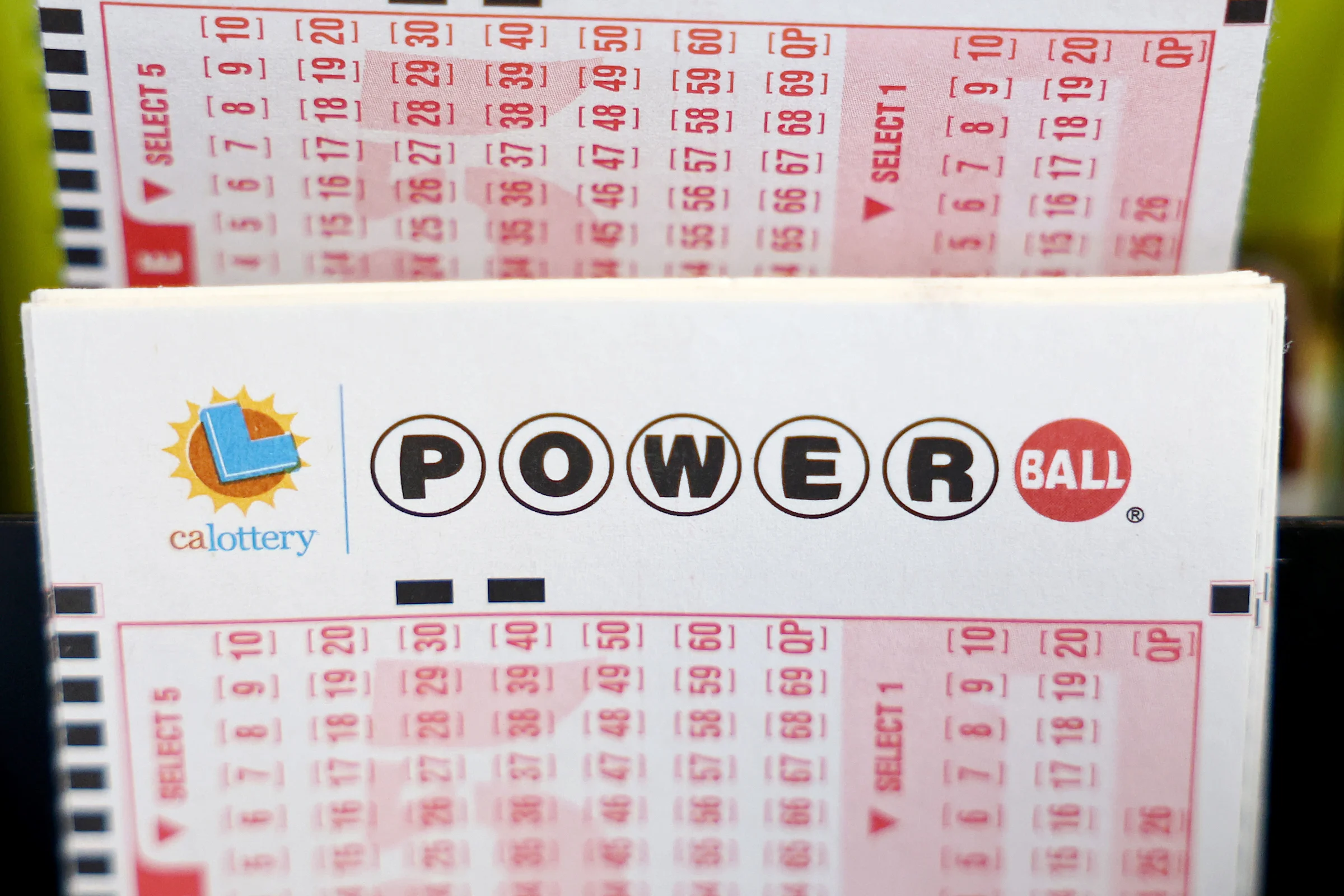
Winning the lottery is often described as a dream come true. For one ticket holder in the United States, that dream became reality on Christmas Eve when a single Powerball ticket matched all six numbers in one of the biggest lottery drawings in history.
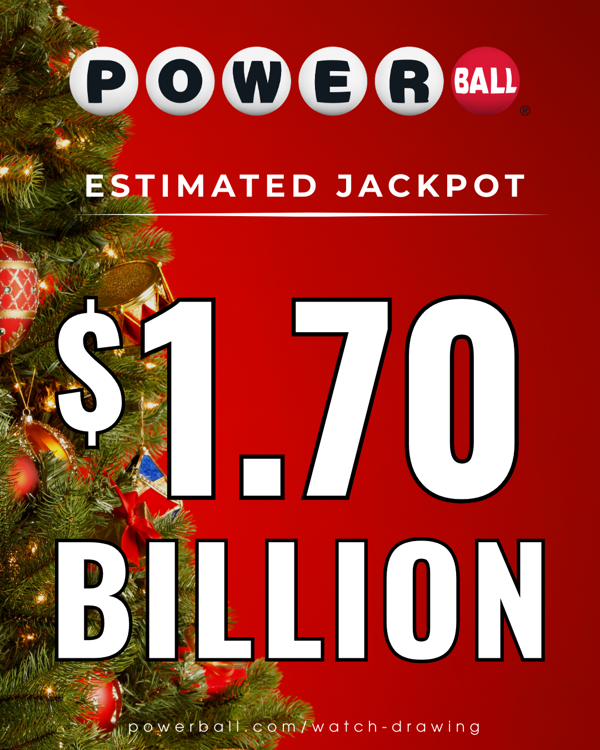
The advertised prize was staggering. Headlines quickly touted a jackpot worth more than $1.8 billion, instantly placing the winner among the richest lottery players of all time. But behind the celebratory figures lies a much more complicated financial reality.
While the nation focused on the record-setting win, financial experts and lottery officials quietly pointed out an unavoidable truth: the amount the winner actually receives will be far less than the headline number.
A Historic Christmas Eve Drawing
The Powerball drawing marked the end of a long jackpot drought that stretched more than three months. For 46 consecutive drawings, no ticket had matched all six numbers, allowing the prize to grow to extraordinary levels.
Final ticket sales surged in the hours before the Christmas Eve drawing, pushing the jackpot higher than earlier projections. By the time the numbers were called, the prize had climbed into rare territory, ranking as the second-largest lottery jackpot ever recorded in the United States.
The winning numbers were drawn late Wednesday night, setting off celebrations and speculation across the country. Almost immediately, attention turned to one key question: where was the winning ticket sold?
A Quiet Community Holds the Winning Ticket
Lottery officials confirmed that the winning ticket was sold at a gas station in a small Arkansas community just outside Little Rock. The location was closed for Christmas when news broke, and staff members were unaware they had sold a ticket worth billions.
The town itself is modest in size, with fewer than 30,000 residents. News of the winning ticket spread quickly through the area, drawing national attention to a place rarely in the spotlight.
Officials stressed that the identity of the winner will remain unknown until the ticket is formally claimed. Claims centers were closed for the holidays, meaning the winner has time to decide how and when to step forward.
That waiting period is often advised by financial professionals, especially for prizes of this magnitude.
The Headline Number Is Not What the Winner Keeps
Although the advertised jackpot exceeded $1.8 billion, lottery winnings are never paid exactly as advertised. Winners must choose between two options: an annuity paid over several decades or a one-time cash payment.
Most winners opt for the lump-sum option, which dramatically reduces the payout before taxes are even considered. In this case, the cash option is valued at a little over $830 million.
Even that figure does not represent what will ultimately land in the winner’s bank account.
Federal taxes immediately apply to lottery winnings, with a mandatory withholding followed by additional taxes at filing time. For a prize of this size, the winner is pushed into the highest federal tax bracket.
State taxes may also apply depending on residency and local laws. While Arkansas taxes lottery winnings less aggressively than some states, the combined effect still removes hundreds of millions of dollars from the prize.
Financial analysts estimate that after all taxes are paid, the winner may keep less than half of the original jackpot amount.

Why Lottery Jackpots Shrink So Dramatically
Powerball jackpots are designed to grow to massive sizes. The odds of winning are intentionally long, sitting at roughly 1 in 292 million. That structure allows prizes to roll over repeatedly, generating national attention and higher ticket sales.
What many players overlook is how taxation transforms the final outcome. Lottery winnings are treated as ordinary income under federal law. This means they are taxed at the same rate as top earners, regardless of whether the money was earned through work or luck.
In addition, lump-sum payouts are discounted to reflect the time value of money. The advertised jackpot represents the total value of annuity payments spread over decades, not cash available today.
The result is a dramatic contrast between the number announced on television and the actual funds a winner controls.
The Arkansas Win Makes Lottery History
This Christmas Eve drawing marked only the second time a Powerball jackpot has ever been won by a ticket sold in Arkansas. The first occurred more than a decade ago, making this a rare event for the state.
It also stands as the largest Powerball prize of 2025 and one of the biggest holiday wins in the game’s history. Powerball has only produced a handful of jackpot winners on Christmas Eve or Christmas Day since the game began.
Lottery officials emphasized that while jackpots dominate headlines, most winners receive far smaller prizes. The game is structured to reward many lower-tier winners while allowing rare jackpots to grow into record territory.
What Happens Next for the Winner
Once the winner comes forward, the process becomes complex and highly regulated. Legal teams, financial advisors, and tax professionals are typically involved from the start.
Experts often advise winners to take time before claiming their prize. Sudden wealth can attract unwanted attention, and careful planning is critical to preserving long-term financial security.
In many states, winners are allowed to remain anonymous or claim prizes through legal entities. Arkansas law provides certain privacy protections, though details depend on how the claim is filed.

A Reminder About the Odds
Despite the excitement, lottery officials continue to stress the reality of the game. The odds of winning remain extraordinarily low, and most players will never experience a jackpot of any size.
Tickets cost $2, and the game is offered in most U.S. states and territories. Smaller prizes are far more common, and many players participate simply for entertainment or tradition during the holidays.
One player interviewed before the drawing summed up the sentiment shared by millions: with a jackpot that high, buying a ticket felt worth the chance.
For one person in Arkansas, that chance paid off in historic fashion.
A Fortune That Changes Everything
Even after taxes, the winner will still walk away with a fortune that reshapes life entirely. While the final amount may fall far short of $1.8 billion, it remains more money than most people could ever spend.
The Christmas Eve Powerball drawing will be remembered not only for its size, but for the stark reminder it offers: in the world of lotteries, the headline number is only the beginning of the story.

Emily Johnson is a critically acclaimed essayist and novelist known for her thought-provoking works centered on feminism, women’s rights, and modern relationships. Born and raised in Portland, Oregon, Emily grew up with a deep love of books, often spending her afternoons at her local library. She went on to study literature and gender studies at UCLA, where she became deeply involved in activism and began publishing essays in campus journals. Her debut essay collection, Voices Unbound, struck a chord with readers nationwide for its fearless exploration of gender dynamics, identity, and the challenges faced by women in contemporary society. Emily later transitioned into fiction, writing novels that balance compelling storytelling with social commentary. Her protagonists are often strong, multidimensional women navigating love, ambition, and the struggles of everyday life, making her a favorite among readers who crave authentic, relatable narratives. Critics praise her ability to merge personal intimacy with universal themes. Off the page, Emily is an advocate for women in publishing, leading workshops that encourage young female writers to embrace their voices. She lives in Seattle with her partner and two rescue cats, where she continues to write, teach, and inspire a new generation of storytellers.