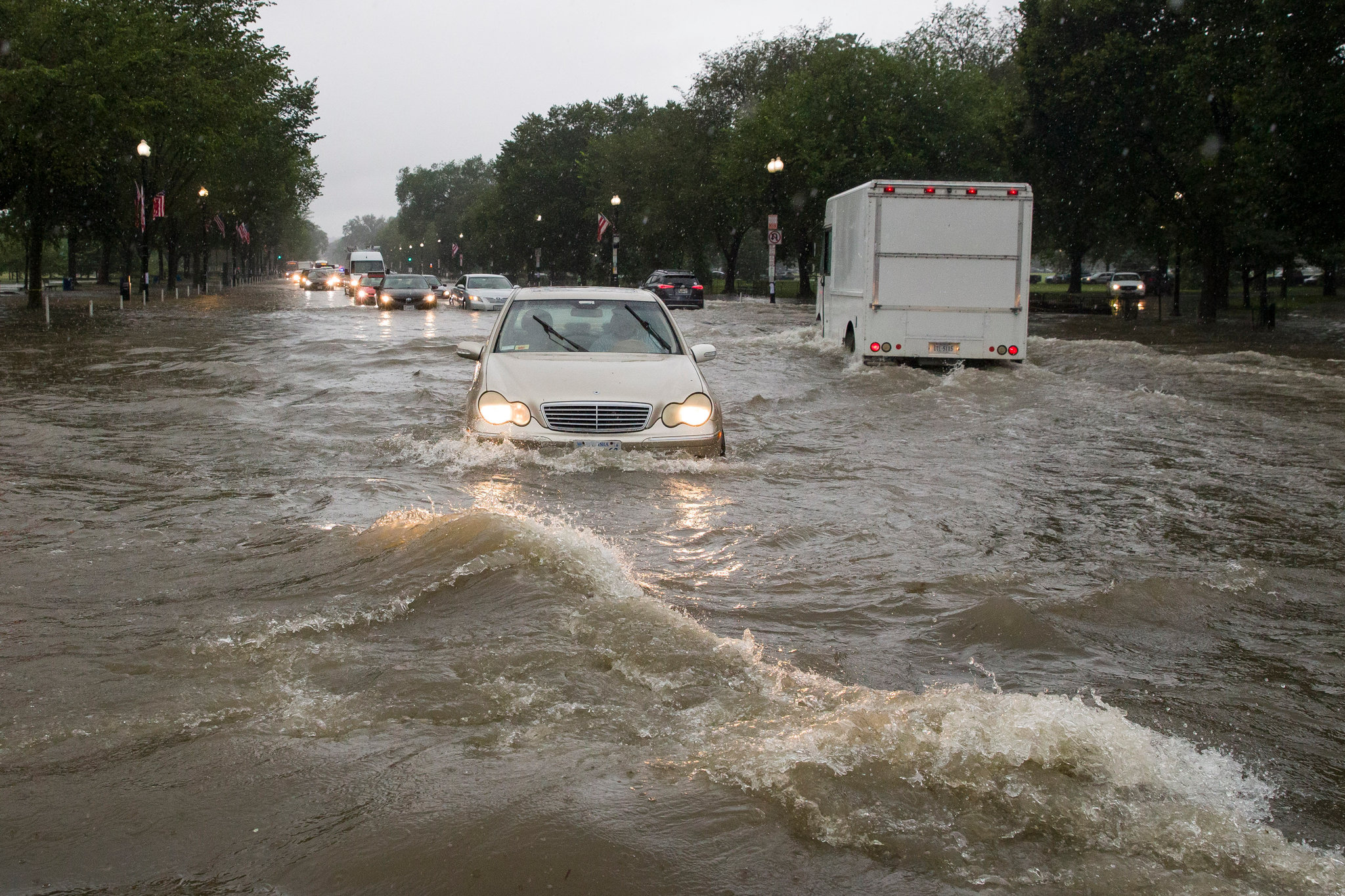
A wave of destructive weather has pushed parts of the Pacific Northwest into crisis mode, prompting federal authorities to activate emergency public health measures as communities grapple with flooding, landslides, power outages, and mounting health risks.
The declaration came as state and local officials warned that the effects of the storms extend well beyond damaged roads and submerged neighborhoods. Hospitals, clinics, and home-based medical care systems are facing strain, particularly for residents who depend on electricity-powered medical equipment or regular life-sustaining treatments.
A System Under Pressure
Days of relentless rain, powerful winds, and unstable ground conditions have tested emergency response systems across the region. Rivers surged past their banks, mudslides cut off rural roads, and thousands of residents were left without power at the height of the storms.
As the damage accumulated, concerns shifted from immediate rescue operations to the longer-term health consequences: disrupted access to care, displaced residents, contaminated water, and the psychological toll of sudden displacement and uncertainty.
Federal officials said the situation met the threshold for extraordinary intervention, allowing health agencies to move more quickly and flexibly to meet urgent needs.
Expanded Federal Authority to Protect Patients
Under the emergency declaration, federal health agencies were granted temporary authority to relax certain regulatory requirements, a move designed to prevent lapses in care for vulnerable populations. This includes people enrolled in Medicare and Medicaid who may be unable to access their usual providers or facilities because of flooding, road closures, or power outages.
The changes allow hospitals, dialysis centers, nursing facilities, and home health providers to continue operating even if standard procedures cannot be followed under current conditions.
Officials emphasized that the goal is continuity: ensuring that patients do not lose access to treatment simply because disaster conditions make compliance with routine rules impossible.
Who Made the Call
The declaration was issued by Robert F. Kennedy Jr., acting in his role as head of the Department of Health and Human Services. The move formally classified the situation as a public health emergency, unlocking additional tools and resources for response and recovery.
In a statement, senior officials within HHS said the department was prepared to assist state and local agencies as long as conditions remain hazardous.
“We are focused on protecting lives and maintaining access to care,” said John Knox, principal deputy assistant secretary for preparedness and response. He noted that federal teams stand ready to support overwhelmed local systems and ensure that health services continue during and after the storm.
Tools for Identifying the Most Vulnerable
One of the lesser-known but critical tools activated during the emergency is HHS emPOWER, a data system that helps authorities identify concentrations of people who rely on electricity-dependent medical devices. This includes patients using oxygen concentrators, ventilators, dialysis machines, and other durable medical equipment at home.
By mapping where these individuals live, emergency planners can prioritize power restoration, wellness checks, and evacuation assistance.
Officials said the system has proven effective in previous disasters, allowing responders to act quickly before outages or flooding turn into medical emergencies.
Mental Health Support Amid the Chaos
Beyond physical health risks, federal officials also highlighted the emotional toll of severe weather disasters. Families forced from their homes, individuals cut off from basic services, and communities facing uncertainty often experience acute stress, anxiety, and depression.
To address this, authorities are urging residents affected by the storms to use the Disaster Distress Helpline, a free, 24-hour service that provides immediate mental health support to people experiencing disaster-related distress.
Public health experts stressed that emotional recovery is a critical component of disaster response and should not be overlooked once floodwaters recede.
A Broader Federal Response
The health emergency declaration follows an earlier disaster declaration issued by Donald Trump, which covered numerous counties, tribal nations, and local jurisdictions across the state. That earlier action opened the door for financial assistance, debris removal support, and infrastructure repairs.
Combined, the declarations represent a coordinated federal response aimed at addressing both the immediate dangers and the cascading health effects of the disaster.
Counties included in the emergency area span much of western and central Washington, where officials reported some of the worst impacts from wind, flooding, and landslides.
What Went Wrong
Meteorologists and engineers believe the disaster was intensified by days of heavy rainfall that saturated the ground and overwhelmed river systems. In at least one area, a levee failure compounded flooding, forcing evacuations and threatening critical facilities, including schools and a hospital.
The National Weather Service warned that tens of thousands of residents could be affected by floodwaters linked to infrastructure failures, particularly in low-lying communities near rivers and dams.
Wind gusts approaching 60 miles per hour knocked down trees and power lines, contributing to widespread outages that left medically fragile residents especially vulnerable.
Electricity: A Lifeline for Millions
Experts estimate that millions of Americans rely on electricity for essential medical care at home. Devices such as oxygen concentrators, ventilators, feeding pumps, and dialysis equipment can become life-threatening liabilities during prolonged power outages.
Data shows that weather-related events are responsible for the vast majority of large-scale power outages in the United States. As extreme weather becomes more frequent, public health officials are increasingly focused on preparedness for electricity-dependent patients.
Authorities recommend that individuals who rely on such equipment have backup power sources, such as generators or battery systems, and that they notify local emergency services of their medical needs in advance.
A Warning for the Future
Public health officials say the situation unfolding in Washington is a stark reminder of how quickly natural disasters can evolve into health emergencies. Flooding does not just damage homes—it disrupts medication access, interrupts treatments, contaminates water supplies, and isolates vulnerable populations.
Federal agencies are urging residents to heed evacuation warnings, avoid flooded roadways, and remain cautious even after storms subside, as landslides and infrastructure failures can occur days later.
Recovery Will Take Time
While emergency measures are now in place, officials caution that recovery will be a long process. Restoring power, repairing levees, and reopening health facilities will take weeks or months in some areas.
For now, the focus remains on keeping residents safe, ensuring access to medical care, and preventing secondary health crises from compounding the damage already done.
As storms continue to threaten the region, authorities say preparedness, communication, and community cooperation will be essential in minimizing further harm.

Emily Johnson is a critically acclaimed essayist and novelist known for her thought-provoking works centered on feminism, women’s rights, and modern relationships. Born and raised in Portland, Oregon, Emily grew up with a deep love of books, often spending her afternoons at her local library. She went on to study literature and gender studies at UCLA, where she became deeply involved in activism and began publishing essays in campus journals. Her debut essay collection, Voices Unbound, struck a chord with readers nationwide for its fearless exploration of gender dynamics, identity, and the challenges faced by women in contemporary society. Emily later transitioned into fiction, writing novels that balance compelling storytelling with social commentary. Her protagonists are often strong, multidimensional women navigating love, ambition, and the struggles of everyday life, making her a favorite among readers who crave authentic, relatable narratives. Critics praise her ability to merge personal intimacy with universal themes. Off the page, Emily is an advocate for women in publishing, leading workshops that encourage young female writers to embrace their voices. She lives in Seattle with her partner and two rescue cats, where she continues to write, teach, and inspire a new generation of storytellers.