



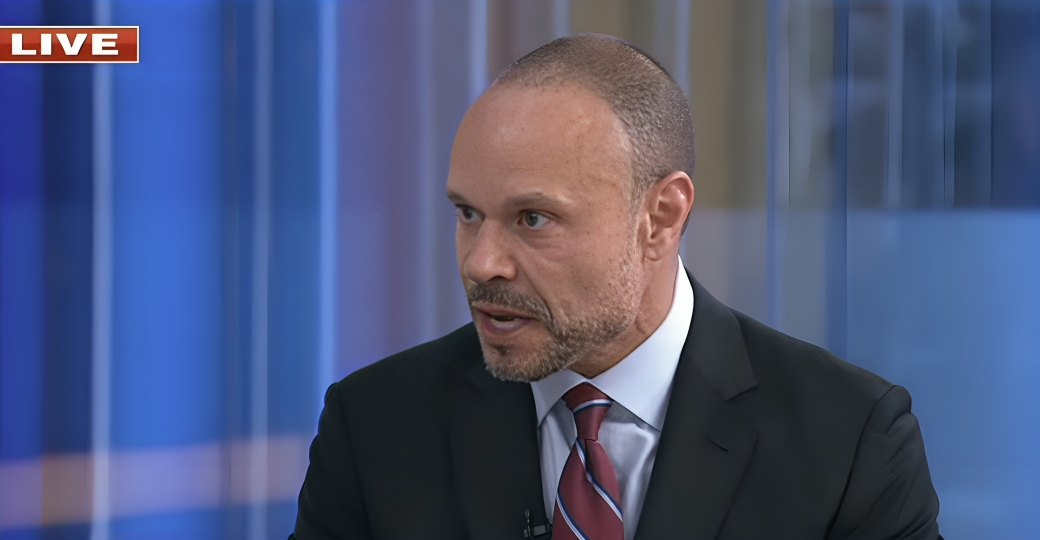
Bongino has spoken publicly for the first time about a sudden and controversial departure from a top post, offering unusually candid remarks about the personal strain of public service and the internal pressures that ultimately led to the decision.
The comments came during a national television appearance late last week, where the outgoing official appeared determined to set the record straight after days of speculation, leaks, and competing narratives swirling in Washington and conservative media circles alike. While the administration had already acknowledged the impending exit, the reasons behind it had remained murky—fueling rumors of infighting, political fallout, and unresolved disputes inside the Justice Department.
What emerged instead was a portrait of exhaustion, sacrifice, and conflict behind the scenes of an administration that has aggressively reshaped the nation’s law enforcement apparatus over the past year.
“I Gave Up Everything for This”
Speaking with visible emotion, Bongino described a grueling daily routine that left little room for family life or personal balance. Long hours, near-constant pressure, and physical separation from loved ones were all part of the cost, he said—costs he willingly accepted but that eventually became unsustainable.
“I gave up everything for this,” he told the hosts of Fox & Friends. He spoke openly about being separated from his wife due to the demands of the job, clarifying that they were not divorced but living apart because of the workload and geography.
The job, he said, was never meant to be comfortable or ceremonial. This was not a role for “tea and crumpets,” but a relentless grind that began before sunrise and stretched well into the evening.
He contrasted his schedule with that of the bureau’s director, noting that both men were essentially living at the office, bound by shared walls and overlapping responsibilities. The description painted a picture of an insular, high-pressure environment where leadership operated under constant scrutiny and expectation.
Internal Friction Comes Into Focus
While personal hardship was a central theme, it was clear that deeper institutional tensions also played a role. Media reports had already suggested internal conflict within the Justice Department, particularly surrounding the handling of sensitive investigative files tied to one of the most controversial criminal cases in recent history.
According to multiple outlets, disagreements over transparency and public disclosure sparked friction between senior officials, creating rifts that were difficult to bridge. Though the outgoing official avoided naming specific incidents during his television appearance, he acknowledged that the job was far more contentious than outsiders might realize.
Behind closed doors, these disagreements reportedly intensified in recent months, coinciding with broader shakeups across federal law enforcement agencies.
A Public Thank You—and a Private Strain
Despite the circumstances, the departing official struck a tone of gratitude rather than bitterness. In a message posted shortly after his appearance, he thanked the president, the attorney general, and his direct colleagues for the opportunity to serve.
“Most importantly,” he wrote, “I want to thank you, my fellow Americans, for the privilege to serve you.”
The president, when asked about the departure earlier in the week, returned the praise, saying the official had “done a great job” and suggesting that he intended to return to his previous work in media.
That transition back to broadcasting appears likely. Before entering government service, the official had built a substantial following as a political commentator and podcast host, becoming a prominent voice within the conservative movement.
https://twitter.com/UsaFeatures/status/2002048067256897843
A Career That Spanned Law Enforcement and Media
Long before stepping into federal leadership, the man at the center of this story had worn many uniforms. His background includes service as a New York City police officer and as an agent in the U.S. Secret Service, including time spent on presidential protection details.
Those credentials helped propel him into conservative media, where his outspoken criticism of federal institutions—particularly the FBI and Department of Justice—earned him a loyal audience among supporters of President Donald Trump.
That same background later made him an unconventional but symbolic choice for a senior role within the bureau, especially as the administration moved to overhaul agencies it viewed as overly politicized.
A Bureau Undergoing Rapid Change
Since the beginning of the administration’s second term, federal law enforcement has undergone sweeping changes. Several senior officials were removed or reassigned following the appointment of new leadership, moves that supporters described as necessary reform and critics characterized as politically motivated purges.
Some of the officials who were dismissed later filed lawsuits alleging wrongful termination, adding to the legal and political complexity surrounding the shakeup.
The outgoing deputy director played a key role in overseeing this transition, helping implement changes that aligned with the administration’s broader agenda of restoring public trust—at least among its base—in federal institutions.
The Epstein Files and a Turning Point
One issue loomed particularly large over the final months of his tenure: the handling of investigative materials related to Jeffrey Epstein. Prior to joining the bureau, the deputy director had been one of the most vocal critics of how the case was handled, frequently questioning official conclusions and suggesting the possibility of a broader cover-up.
After assuming his role, however, he publicly stated that his review of the files led him to accept the official determination that Epstein died by suicide and did not maintain a secret client list. That reversal angered some of his longtime supporters, who felt betrayed by the conclusion.
In July, the FBI and Justice Department announced that no further Epstein-related files would be released, citing an exhaustive internal review. The decision sparked backlash across social media and conservative circles, with some commentators accusing the administration of failing to deliver transparency.
Reports later emerged that disagreements over this decision created tension between the deputy director and Attorney General Pam Bondi, further straining working relationships at the top of the department.
Only after weeks of speculation—and after his own public remarks—did the full picture come into focus. The official stepping away from one of the most powerful law enforcement roles in the country is Dan Bongino, who has served as Deputy Director of the Federal Bureau of Investigation since earlier this year.
Bongino’s appointment, alongside FBI Director Kash Patel, symbolized a dramatic shift in leadership philosophy—one rooted in skepticism of entrenched bureaucracy and a promise of reform.
What Comes Next
Bongino has made clear that he does not regret his decision to serve, even if the cost was high. But his departure underscores the intense personal and political pressures that come with reshaping institutions as powerful—and as controversial—as the FBI.
As he prepares to return to media, the administration faces the challenge of maintaining momentum amid leadership changes and unresolved public skepticism. The bureau, meanwhile, continues to navigate lawsuits, internal morale issues, and the lingering shadow of high-profile investigations that refuse to fade from public memory.
For Bongino, the next chapter appears to be a familiar one—back behind a microphone, addressing an audience that has followed him from law enforcement to media to the highest levels of federal power. For Washington, his exit is another reminder that governing, especially amid deep national divisions, extracts a toll that even the most committed officials cannot always bear indefinitely.

Emily Johnson is a critically acclaimed essayist and novelist known for her thought-provoking works centered on feminism, women’s rights, and modern relationships. Born and raised in Portland, Oregon, Emily grew up with a deep love of books, often spending her afternoons at her local library. She went on to study literature and gender studies at UCLA, where she became deeply involved in activism and began publishing essays in campus journals. Her debut essay collection, Voices Unbound, struck a chord with readers nationwide for its fearless exploration of gender dynamics, identity, and the challenges faced by women in contemporary society. Emily later transitioned into fiction, writing novels that balance compelling storytelling with social commentary. Her protagonists are often strong, multidimensional women navigating love, ambition, and the struggles of everyday life, making her a favorite among readers who crave authentic, relatable narratives. Critics praise her ability to merge personal intimacy with universal themes. Off the page, Emily is an advocate for women in publishing, leading workshops that encourage young female writers to embrace their voices. She lives in Seattle with her partner and two rescue cats, where she continues to write, teach, and inspire a new generation of storytellers.