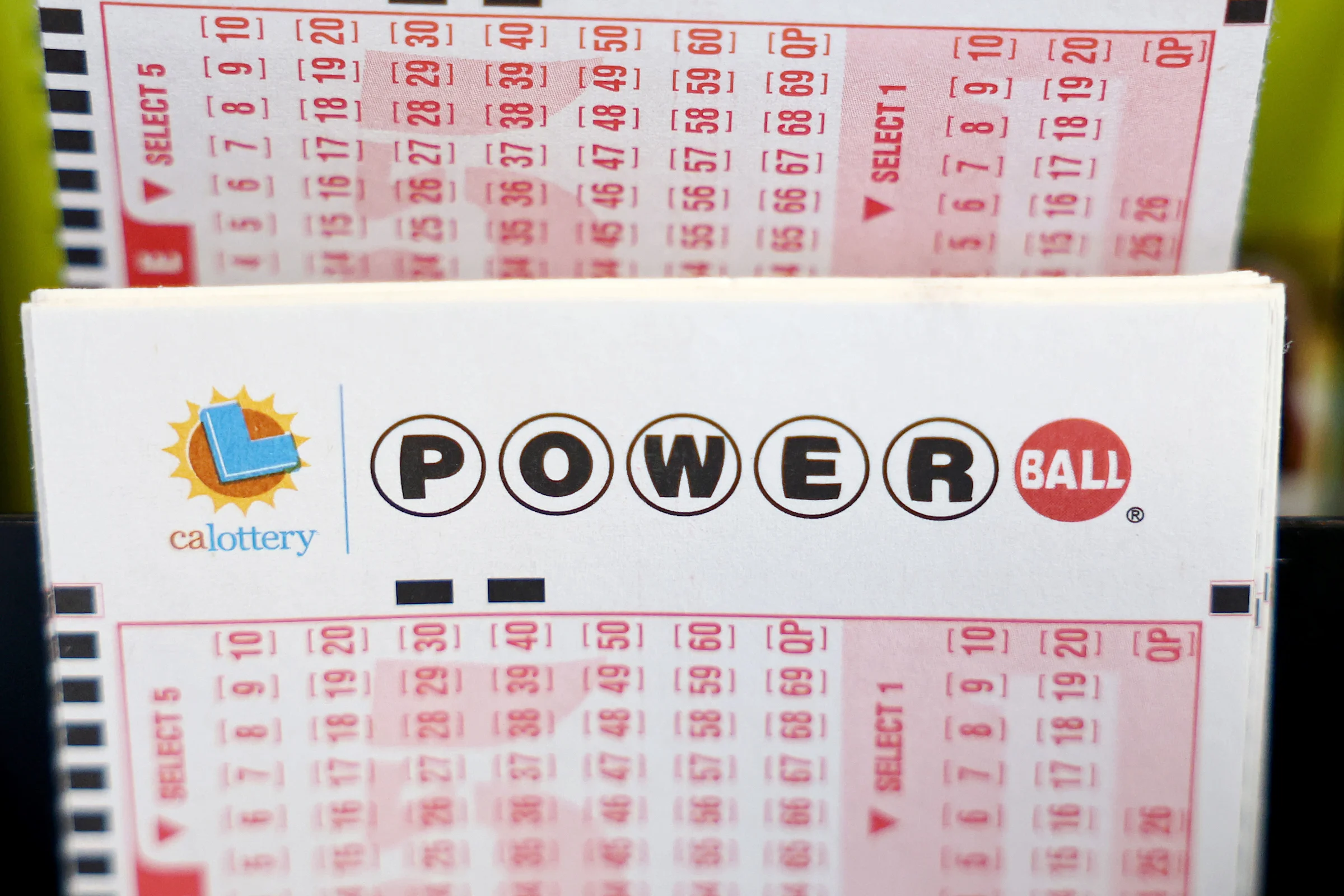
Across the United States, anticipation is quietly turning into full-blown excitement as millions of people prepare for a Christmas Eve drawing that could redefine holiday dreams. Convenience stores are seeing steady traffic, office pools are forming, and hopeful players are clutching tickets while imagining what might happen if fortune finally smiles their way.
This surge of interest didn’t happen overnight. It’s the result of months of suspense, repeated drawings without a top winner, and a prize that has grown so large it now sits among the biggest ever offered in the history of American lotteries.
For many, the timing alone adds to the intrigue. A drawing held on Christmas Eve carries a symbolic weight—new beginnings, generosity, and once-in-a-lifetime possibilities arriving just as the year comes to a close.
A Jackpot That Refused to Be Won
The current Powerball run has stretched on far longer than usual, with drawing after drawing producing no ticket that matched all the required numbers. Each missed opportunity caused the prize to roll over, growing steadily larger and drawing in even casual players who might normally skip a week.
Lottery officials say this kind of buildup is not unusual under the modern Powerball system. Changes made several years ago adjusted the odds, making it more difficult to hit the jackpot but increasing the size and frequency of enormous prizes when no one wins.
The result is a slow-burn phenomenon: fewer winners at the top, but far more attention nationwide as the pot climbs into territory that captures headlines and imaginations alike.
Why So Many People Are Playing
For many Americans, the appeal goes beyond pure math. The holidays already encourage reflection, hope, and generosity, and a massive lottery prize feeds directly into that emotional space.
People talk about paying off mortgages, helping children and grandchildren, donating to churches or veterans’ groups, or finally retiring without financial stress. Even those who understand the odds admit that buying a ticket feels like buying permission to dream.
Retailers and lottery officials note that participation often spikes when jackpots cross psychological thresholds—points where the number becomes almost surreal. At that stage, logic often gives way to curiosity: “What if?”
Patterns, Myths, and Player Psychology
As excitement builds, many players start looking for patterns or clues, searching for ways to improve their chances—even when experts insist every draw is random.
Some people stick to birthdays and anniversaries. Others avoid certain numbers entirely. And many turn to historical data, hoping past results might offer insight into future outcomes.
Only after digging into years of previous drawings does a familiar discussion begin to circulate: which numbers seem to appear more often than others, and which ones almost never show up.
According to long-term tracking of Powerball results since the odds were restructured in the mid-2010s, a handful of numbers have been drawn noticeably more frequently than the rest. One Powerball number, in particular, stands out for appearing again and again over the years, while several others lag far behind.
Of course, statisticians are quick to remind players that past performance does not influence future draws. Every combination has exactly the same chance of being selected. Still, superstition and habit remain powerful forces—especially when so much money is at stake.
What Winners Would Really Take Home
Another reality often overlooked in the excitement is how much of a jackpot actually ends up in a winner’s pocket.
Lottery prizes are advertised as annuities paid over decades. Most winners choose a lump-sum option instead, which significantly reduces the headline figure before taxes are even considered.
On top of that, federal taxes apply nationwide, while state taxes vary widely. Depending on where a winning ticket is purchased, the final take-home amount can differ by tens of millions of dollars.
Financial advisors consistently urge potential winners to slow down, assemble a professional team, and avoid making major decisions immediately. History shows that sudden wealth, when poorly managed, can disappear far faster than people expect.
For players hoping to gain an edge, historical data can be insightful. According to USA Mega, which tracks Powerball numbers dating back to October 2015, the five most commonly drawn numbers are:
Despite the excitement, the odds of winning remain extraordinarily small. Whether players carefully choose numbers or let the machine generate them, the probability is the same: astronomically low.
Lottery officials emphasize that Powerball should be treated as entertainment, not an investment. The overwhelming majority of tickets will not win anything, and even smaller prizes are relatively rare.
Still, that single possibility—the idea that one ticket, somewhere, could change everything—keeps people lining up.
Why Mega Jackpots Are Becoming Normal
One striking trend over the past decade is how frequently billion-dollar prizes now appear. What once felt almost impossible has become familiar.
Experts point to a combination of factors: longer odds, nationwide participation, and sustained public interest. Each rollover feeds the next, creating a cycle where jackpots can climb rapidly once they reach a certain size.
This Christmas Eve drawing represents another chapter in that trend, reinforcing how modern lotteries are designed to produce occasional, headline-grabbing windfalls rather than frequent winners.
A Night Filled With Possibility
As the drawing approaches, millions of tickets will be checked, hopes will rise and fall, and one set of numbers will ultimately decide the outcome.
For most players, the night will end quietly, with no change at all. For a lucky few, there may be smaller prizes to celebrate. And for one ticket holder—if there is one—life could be permanently transformed.
Win or lose, the phenomenon itself speaks to something deeply human: the desire for hope, especially during the holidays, and the belief that even the longest odds are worth a try when the reward feels big enough.
On Christmas Eve, that belief will be shared by millions—if only for a moment.