


Federal regulators have ordered a sweeping recall of tens of thousands of bags of frozen seafood sold across the United States after an investigation raised concerns about potential radioactive contamination, prompting warnings for consumers to immediately stop using the affected products.
The recall affects more than 80,000 retail packages of frozen raw shrimp that were distributed to major grocery chains across multiple states. While no illnesses have been reported so far, officials say the situation poses a serious enough long-term health risk to justify pulling the products from shelves nationwide.
The action follows laboratory testing and an ongoing investigation that identified possible exposure to cesium-137, a radioactive isotope that does not occur naturally and is associated with nuclear activity.
How the Issue Came to Light
The recall was initiated after federal inspectors flagged irregularities in imported seafood shipments during routine monitoring. Subsequent analysis suggested that a large batch of frozen shrimp could have been exposed to cesium-137 at some point during processing, packaging, or storage before reaching the United States.
According to a notice issued by Food and Drug Administration, the shrimp may have been “prepared, packed, or held under insanitary conditions,” raising the possibility that radioactive contamination occurred prior to distribution.
While the exact source of the contamination has not yet been publicly identified, officials confirmed that the shrimp originated overseas and entered U.S. commerce through standard import channels.
Scope of the Recall
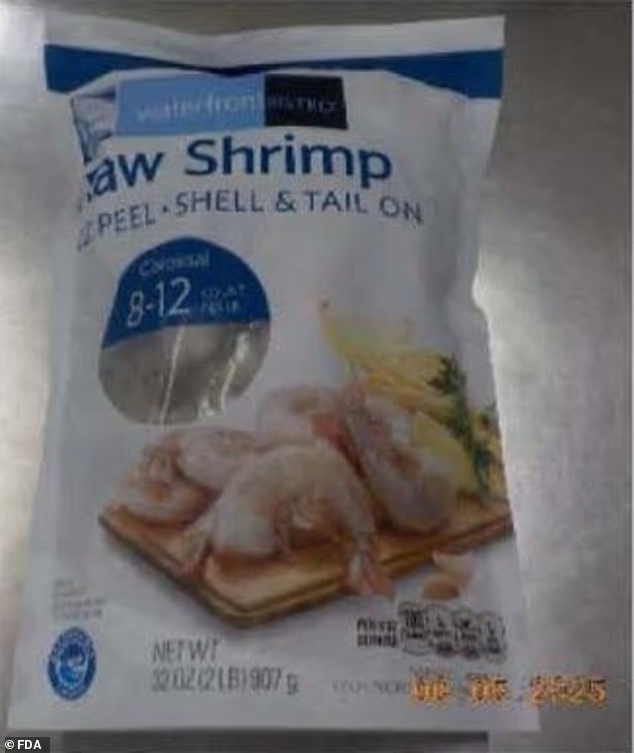
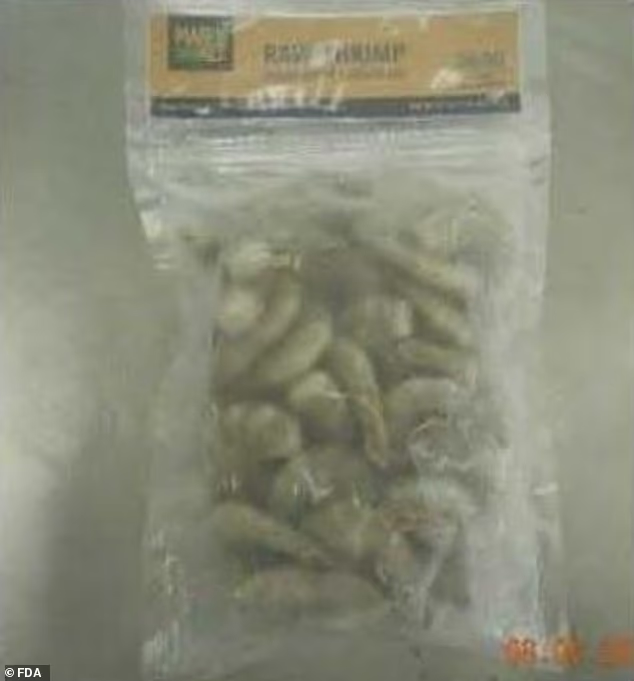
In total, 83,800 bags of frozen raw shrimp are included in the recall. The products were sold under two separate brand names at dozens of major grocery stores across more than a dozen states.
The recalled shrimp were distributed under the Market 32 brand and sold at Price Chopper locations beginning in mid-July in states including Connecticut, Massachusetts, New Hampshire, New York, Pennsylvania, and Vermont.
A second set of products, sold under the Waterfront Bistro label, was available at several national chains, including Albertsons-owned stores, starting in late June. These bags reached consumers in states such as Colorado, Illinois, Indiana, Nevada, Oregon, Utah, Wyoming, and others across the Midwest and Mountain West.
Because of the wide distribution network, officials believe many of the recalled products may still be stored in home freezers.
Why Cesium-137 Raises Alarm
Cesium-137 is a man-made radioactive isotope created through nuclear fission, most commonly associated with nuclear weapons testing and nuclear reactor incidents. It does not naturally occur in food and water systems.
Although low levels of cesium-137 persist in the global environment due to atmospheric nuclear testing in the mid-20th century, regulators say food contamination is treated far more seriously, especially when the exposure could be repeated over time.
The FDA emphasized that its concern is not necessarily a single exposure, but rather long-term consumption, which could increase health risks even at relatively low doses.
Medical experts note that cesium-137 emits gamma radiation and can accumulate in soft tissues if ingested repeatedly. Over time, this exposure may increase the risk of cancer due to damage at the cellular and DNA level.
What Officials Are Saying
Federal officials stressed that the recall is precautionary but necessary.
In its advisory, the FDA stated that prolonged exposure to contaminated food could pose “an elevated risk of cancer due to cumulative radiation exposure.” The agency also confirmed that it is actively investigating how the isotope entered the supply chain and whether additional products could be affected.
The shrimp were imported by Direct Source Seafood LLC, which is cooperating with regulators. The company has advised consumers not to eat the shrimp and to either discard the product or return it to the store of purchase for a full refund.
So far, the FDA says no illnesses or injuries have been reported, but officials cautioned that radiation-related health effects can take years to manifest.
How Consumers Should Respond
Consumers who purchased frozen raw shrimp under the affected brand names are urged to check their freezers immediately. Any matching products should not be consumed, even if they appear normal in smell, texture, or appearance.
The FDA recommends either safely discarding the shrimp or returning it to the retailer where it was purchased. Customers seeking more information can contact Direct Source Seafood directly during business hours.
Health officials also advised that anyone who believes they may have consumed the recalled shrimp should consult a healthcare provider, particularly if they are pregnant, immunocompromised, or have underlying health conditions.
Broader Concerns About Imported Food Safety
This recall has renewed scrutiny on food safety standards for imported products, particularly seafood. A significant portion of seafood sold in the United States is imported, often passing through complex international supply chains before reaching consumers.
While imported food is subject to inspection, experts say the sheer volume of shipments makes comprehensive testing challenging. Incidents involving contamination—whether chemical, biological, or radioactive—highlight vulnerabilities in global food systems.
The FDA confirmed it is examining whether shipping containers or processing facilities associated with this case may have been exposed to radioactive sources, either intentionally or accidentally.
Radiation in Everyday Life vs. Food Exposure
Officials were careful to note that Americans are exposed to small, harmless amounts of background radiation every day, including from soil, air travel, and medical imaging.
Cesium-137 has legitimate medical and industrial uses, including cancer treatment equipment and sterilization of medical instruments. However, regulators say its presence in food products is unacceptable.
Unlike environmental background exposure, food contamination can lead to internal radiation exposure, which behaves differently and may pose greater long-term risks.
What Comes Next
The FDA says its investigation is ongoing and may expand if additional shipments are found to be affected. Regulators are also reviewing import protocols related to seafood shipments from the region where the shrimp originated.
In the meantime, retailers have been instructed to remove the recalled products from shelves immediately, and distributors are conducting internal audits to ensure no additional contaminated goods remain in circulation.
Food safety advocates are calling for stronger monitoring of imported foods and faster disclosure when potential hazards are identified.
A Reminder for Consumers
While the recall is unsettling, experts stress that the food safety system worked as intended by identifying and removing a potentially dangerous product before widespread harm occurred.
Still, officials emphasize the importance of consumer awareness.
“Recalls only work if people know about them,” one food safety expert said. “Checking recall notices and paying attention to public health warnings can make a real difference.”
As federal investigators continue to track the source of the contamination, consumers are urged to remain vigilant and follow official guidance to reduce any potential risk.

Emily Johnson is a critically acclaimed essayist and novelist known for her thought-provoking works centered on feminism, women’s rights, and modern relationships. Born and raised in Portland, Oregon, Emily grew up with a deep love of books, often spending her afternoons at her local library. She went on to study literature and gender studies at UCLA, where she became deeply involved in activism and began publishing essays in campus journals. Her debut essay collection, Voices Unbound, struck a chord with readers nationwide for its fearless exploration of gender dynamics, identity, and the challenges faced by women in contemporary society. Emily later transitioned into fiction, writing novels that balance compelling storytelling with social commentary. Her protagonists are often strong, multidimensional women navigating love, ambition, and the struggles of everyday life, making her a favorite among readers who crave authentic, relatable narratives. Critics praise her ability to merge personal intimacy with universal themes. Off the page, Emily is an advocate for women in publishing, leading workshops that encourage young female writers to embrace their voices. She lives in Seattle with her partner and two rescue cats, where she continues to write, teach, and inspire a new generation of storytellers.