In recent days, a growing controversy surrounding leadership decisions inside one of the nation’s most powerful law enforcement institutions has triggered sharp public reaction, political debate, and mounting pressure from lawmakers and taxpayers alike. What began as scattered criticism quickly snowballed into a broader national conversation about accountability, transparency, and the appropriate use of public resources.
As scrutiny intensified, silence from the agency only fueled speculation. Questions multiplied. Was the leadership aware of public concern? Would there be any acknowledgment of the backlash? And perhaps most importantly, would any corrective action follow?
This week, the agency finally responded.
A Climate of Rising Discontent
Public trust in federal institutions has been strained in recent years, with Americans across the political spectrum increasingly sensitive to how government agencies operate behind closed doors. Against that backdrop, even relatively small decisions can become flashpoints when they appear disconnected from everyday realities faced by citizens.
In this case, criticism did not emerge overnight. Observers began raising concerns after reports surfaced describing internal decisions that, while legal, appeared extravagant or unnecessary to many Americans—particularly at a time when inflation, public safety concerns, and budget pressures remain front of mind.
The reaction was swift. Social media commentary escalated. Editorials questioned priorities. Lawmakers privately requested explanations. Within days, what had initially seemed like a routine administrative matter became a reputational challenge.
Pressure Builds for an Official Response
As the backlash intensified, calls grew louder for the agency to clarify its position. Critics argued that a lack of communication risked further erosion of public confidence, while supporters cautioned against rushing to judgment without full context.
Behind the scenes, officials reportedly debated how—and whether—to respond publicly. Some insiders favored a low-profile approach, believing the issue would fade from headlines. Others warned that continued silence could be interpreted as indifference or arrogance.
Ultimately, the calculus shifted. With national attention fixed firmly on the issue, leadership concluded that a formal response was unavoidable.
The Announcement
Midweek, the agency issued a public statement addressing the controversy. While measured in tone, the announcement signaled recognition that the matter had resonated beyond internal circles.
The statement emphasized the agency’s commitment to national security, operational readiness, and the safety of its personnel. It acknowledged public concern and stressed that decisions were made within existing guidelines and based on assessed risk—not personal preference or excess.
However, the announcement stopped short of apologizing or reversing the decision at the center of the controversy. Instead, it framed the issue as a matter of misunderstanding, asserting that operational needs sometimes require measures that may appear unusual when viewed without full context.
Only Then Did the Full Picture Emerge
It was only at this stage that the central figure behind the backlash became widely discussed.
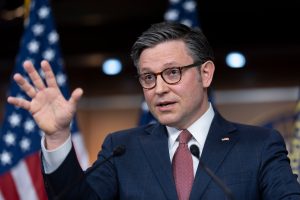
The controversy centered on the bureau’s director, who had come under fire after reports revealed the use of taxpayer-funded armored transportation and discussions surrounding expanded security resources. Critics questioned whether such measures were justified, while supporters argued that the threats facing senior law enforcement officials today are unlike those of the past.
The director, appointed amid high expectations and significant political attention, has positioned himself as a reform-minded leader focused on restoring institutional credibility and modernizing operations. Supporters say enhanced security reflects real threats tied to the role—not personal indulgence.
Nonetheless, the optics proved difficult to manage.
Lawmakers React
Following the announcement, reactions from Capitol Hill were mixed. Some lawmakers accepted the explanation, noting that security assessments are complex and not always appropriate for public disclosure. Others remained unconvinced, signaling interest in further oversight.
Several members of Congress emphasized that while protecting officials is important, transparency and restraint must remain guiding principles—especially when public funds are involved.
Calls for hearings have not materialized yet, but aides privately acknowledge that the issue may resurface if additional information comes to light.
Public Opinion Remains Divided
Among the public, the announcement did little to fully settle the debate. For some, the explanation was sufficient—confirmation that decisions were grounded in security considerations, not extravagance.
For others, skepticism persists. Online discussions continue to question whether federal agencies have become disconnected from the people they serve, insulated from financial realities that ordinary Americans face daily.
Polling experts note that controversies like this resonate particularly strongly with older Americans, who often prioritize fiscal responsibility and institutional integrity.
A Broader Pattern of Scrutiny
This episode does not exist in isolation. In recent years, senior officials across multiple federal agencies have faced criticism over travel expenses, security details, and internal perks. Each case adds to a broader narrative questioning how power is exercised in Washington.
Analysts say such scrutiny is unlikely to fade, especially in an election-adjacent environment where trust in institutions is a central issue.
The agency’s leadership is acutely aware of this context. Insiders suggest that future decisions—particularly those involving visible spending—will undergo heightened internal review.
What Comes Next
While the immediate controversy appears to have stabilized, its longer-term implications remain uncertain. The announcement has paused, but not ended, the conversation.
Observers will be watching closely for any follow-up actions: policy adjustments, internal reviews, or congressional inquiries. Even absent formal consequences, the episode may shape how leadership communicates moving forward.
For the agency, the challenge is balancing genuine security needs with public expectations of modesty and accountability. For the public, the episode reinforces ongoing concerns about transparency in federal institutions.
A Test of Trust
At its core, this moment represents a test—not of legality, but of trust. In an era where confidence in institutions is fragile, how leaders respond to criticism can matter as much as the decisions themselves.
Whether this announcement ultimately reassures the public or deepens skepticism may depend less on words and more on what happens next.
For now, the bureau has spoken. The country is listening.