


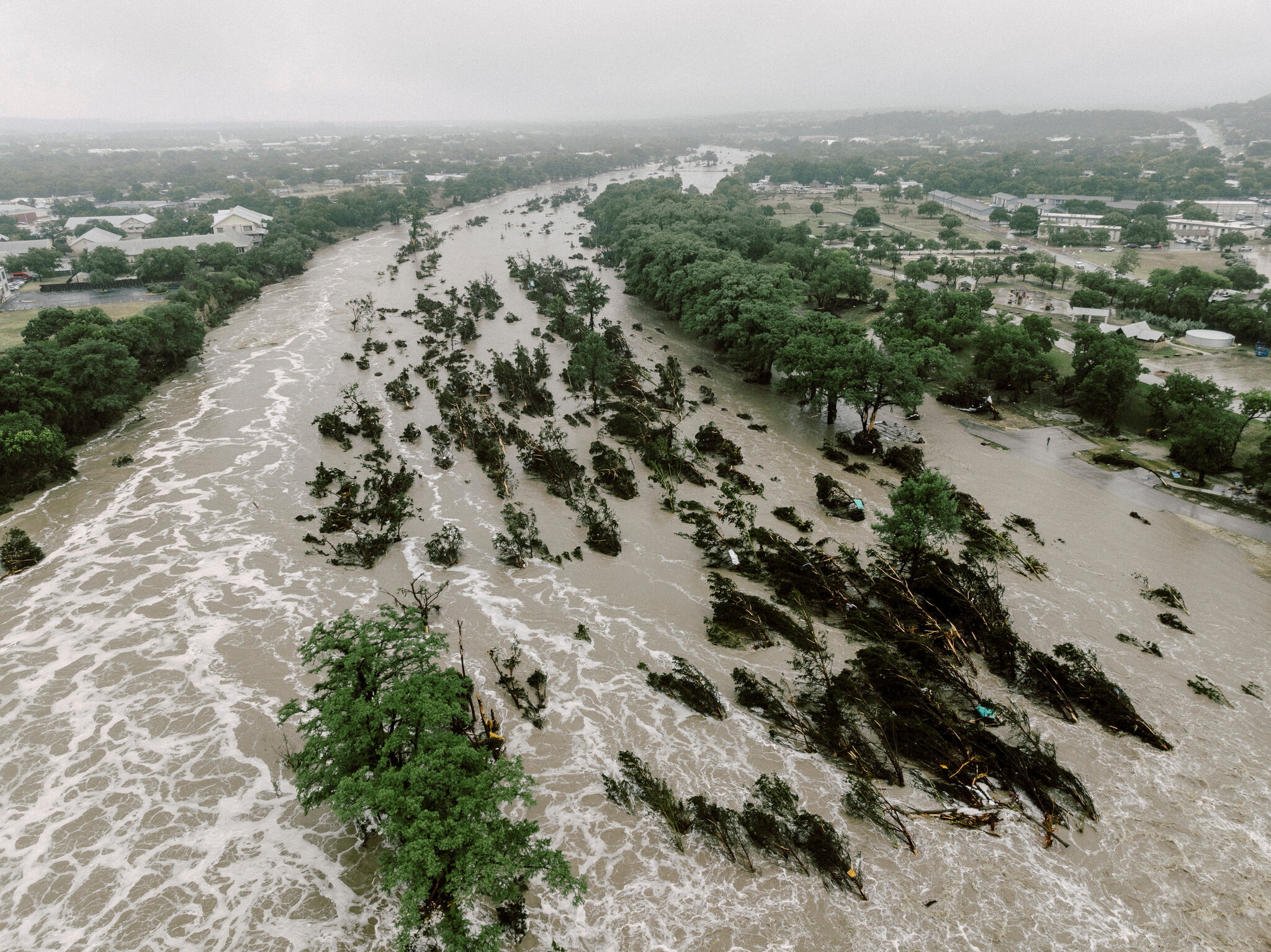
Unseasonably heavy rainfall over the weekend brought widespread flooding to parts of Northern California, overwhelming roadways and prompting dozens of emergency responses. As the storm system moved through the region, meteorologists reported intense precipitation in a short period of time — creating conditions that quickly turned dangerous for motorists, residents, and emergency personnel alike.
By Sunday night, weather observations showed multiple inches of rain had already fallen, exceeding typical December totals and saturating ground that had little ability to absorb the sudden influx. Officials across multiple counties issued urgent advisories as water levels rose, roadways became impassable, and low-lying areas began to flood.
The severe weather event has underscored how quickly conditions can deteriorate during an atmospheric river event, even outside California’s traditional rainy season, and how vulnerable transportation infrastructure and populated communities can be when nature’s forces intensify.
A Fierce Storm System Moves In
For much of last week, forecasters had warned of an approaching series of weather systems that would bring increased chances of precipitation to the West Coast. By Sunday morning, those predictions materialized as bands of heavy rain moved into Northern California.
In some locations, between 3 and 6 inches of rain were recorded by late Sunday — a remarkable amount over a short span of time. Heavy, concentrated downpours can overwhelm natural drainage systems and cause streets and rivers to swell rapidly, and that is precisely what unfolded in several impacted counties.
The National Weather Service had issued alerts for flash flooding, urging residents to avoid travel where possible and to stay alert to changing conditions. Flash flood warnings — typically reserved for the most urgent and sudden flood threats — were in effect throughout much of the affected area.
Roads Washed Out, Vehicles Stranded
As rainfall rates increased, local authorities began receiving a surge of emergency calls from drivers who became trapped on flooded roads. In multiple instances, motorists underestimated water depth or the speed of the rising floodwaters and became stranded as their vehicles stalled or were overtaken by swiftly moving water.
In the city of Redding, law enforcement and fire crews responded to numerous incidents of drivers stuck in floodwaters. Officers used boats, ropes, and emergency vehicles to reach people who were unable to escape on their own.
At one point, a neighborhood near a swollen creek experienced significant inundation, forcing residents to seek higher ground. Firefighters in the mountain community of Truckee extended ladders and rescue gear to individuals trapped inside homes along the South Yuba River, pulling them to safety as water levels continued to rise.
Despite the high volume of calls for assistance, emergency services worked around the clock to keep responders and residents safe. In many cases, multiple fire departments, law enforcement agencies, and volunteer organizations coordinated rescue efforts.
One Confirmed Fatality
Amid the chaos, local officials confirmed a death in Redding connected to the flooding. According to a social media post from the city’s mayor, the individual was found after attempting to navigate flood-affected roads. No further details have yet been released about the circumstances, and authorities have asked the public to respect the family’s privacy as they investigate.
The tragedy underscores how dangerous flash flooding can be, even in areas that may not appear inundated at first glance. Water rushing across pavement can hide hazards such as washed-out roadbeds, deep channels, and strong currents capable of sweeping away vehicles and people.
Meteorologists Explain Atmospheric Rivers
A key factor in the severe weather was the presence of atmospheric rivers — narrow corridors of concentrated moisture that transport large amounts of water vapor from tropical regions into mid-latitudes. When these streams of moisture encounter land, they can dump significant rainfall over a short period.
Unlike typical storms, which may spread precipitation over wide areas for extended periods, atmospheric rivers can deliver intense rain bands that saturate soils and overwhelm drains.
In this event, the atmospheric river feeding the storm tapped into unusually warm air and moisture, increasing the amount of water falling over Northern California. Earlier this month, similar weather dynamics contributed to record rainfall and flooding in the Pacific Northwest, demonstrating how global weather patterns can influence conditions far from their origin.
The Sacramento office of the National Weather Service had warned that the event could bring heavy rain to the Valley, foothills, and mountainous regions — all of which saw varying degrees of impact.
Impact on Communities and Infrastructure
In addition to flooded roadways, the storm caused damage to smaller roads and bridges that had not been designed to withstand significant inundation. In some rural areas, local authorities closed roads as water washed over pavement or pooled in low-lying sections, creating hazards for drivers.
School districts in the hardest-hit counties announced closures or delayed openings due to safety concerns, and employers in some areas advised workers to stay home or use caution while commuting.
Utility companies also monitored conditions closely, prepared for potential outages caused by downed lines, fallen trees, or water-related equipment issues. While widespread power interruptions had not been reported by Monday morning, crews remained on alert in the event conditions deteriorated.
In Redding — home to roughly 93,000 residents — city officials said they were monitoring localized flooding and working with county partners to prioritize clearance of storm drains and affected roadways.
How Residents Responded
Despite the intensity of the storm, many residents reported acts of neighborly assistance and community resilience. Social media posts showed individuals helping to push vehicles through high water, coordinating shelter for displaced neighbors, and sharing updates about the status of roads and safe routes.
Volunteers from local charities and faith groups mobilized quickly to support first responders, offering food, water, and warm beverages to emergency crews who were out in the elements for long hours.
In some neighborhoods, residents checked on elderly or disabled neighbors who may have had difficulty with the sudden onset of flooding. Those efforts were widely praised by officials as demonstrating the value of community solidarity during natural disasters.
What Comes Next
With the immediate emergency phase passing, meteorologists say the region should expect lighter showers through much of the week as the larger atmospheric river system moves eastward. However, saturated soils and elevated river levels mean that the risk for continued localized flooding remains in some areas.
State and local emergency managers are urging residents to remain cautious, particularly when traveling. Rivers and creeks that have crested may stay elevated for several days, and minor tributaries could still overflow during subsequent rainfall.
Officials also remind citizens to avoid driving through standing water, even if only a few inches deep — a guideline frequently repeated by emergency services because of how rapidly conditions can change.
https://www.youtube.com/watch?v=GNPk0JieqZU
Flood Preparedness and Safety Tips
As communities evaluate the storm’s impact, state agencies and emergency preparedness organizations are emphasizing tips that are important not just now but for future events:
-
Do not drive through floodwaters: Six inches of moving water can knock over an adult, and 12 inches can carry a small car away.
-
Stay informed: Pay attention to local alerts from the National Weather Service and county emergency officials.
-
Have an emergency kit: Include water, non-perishable food, medications, flashlights, and batteries in case of extended power outages.
-
Check on vulnerable neighbors: Older adults and those with limited mobility may need assistance during sudden weather changes.
Experts stress that flash flooding can occur with little warning, making awareness and preparation especially important in areas prone to heavy rainfall.
A Storm Season Reminder
While California’s climate is known for its dry summers, winter storms — fueled by complex interactions between ocean temperatures and atmospheric conditions — can be powerful and destructive. The events of this past weekend are a reminder of how quickly storms can escalate, how widespread their effects can be, and how essential early planning and responsive emergency services are to keeping people safe.
In the wake of significant rainfall, communities from suburban neighborhoods to rugged foothills now face the task of assessing damage, restoring normalcy, and preparing for potential future storms as the broader weather pattern continues to evolve.
As cleanup efforts progress, officials emphasize that attention to safety and community support will be key to ensuring a full recovery from this intense weather event.

Emily Johnson is a critically acclaimed essayist and novelist known for her thought-provoking works centered on feminism, women’s rights, and modern relationships. Born and raised in Portland, Oregon, Emily grew up with a deep love of books, often spending her afternoons at her local library. She went on to study literature and gender studies at UCLA, where she became deeply involved in activism and began publishing essays in campus journals. Her debut essay collection, Voices Unbound, struck a chord with readers nationwide for its fearless exploration of gender dynamics, identity, and the challenges faced by women in contemporary society. Emily later transitioned into fiction, writing novels that balance compelling storytelling with social commentary. Her protagonists are often strong, multidimensional women navigating love, ambition, and the struggles of everyday life, making her a favorite among readers who crave authentic, relatable narratives. Critics praise her ability to merge personal intimacy with universal themes. Off the page, Emily is an advocate for women in publishing, leading workshops that encourage young female writers to embrace their voices. She lives in Seattle with her partner and two rescue cats, where she continues to write, teach, and inspire a new generation of storytellers.