U.S. authorities have carried out another high-profile maritime interception off the coast of Venezuela, underscoring an expanding enforcement effort aimed at curbing illicit oil trafficking and enforcing American sanctions. The latest action, which occurred in the early hours of December 20, marks the second such operation in recent weeks and signals a firmer posture by Washington in a strategically sensitive region.
The incident became public after senior officials shared footage of the operation, drawing renewed attention to the role of maritime security in U.S. foreign policy and economic enforcement. While details initially emerged gradually, the event reflects broader shifts in how the United States is responding to sanctions evasion and regional instability in the Caribbean and South America.
A Growing Focus on Maritime Enforcement
Over the past year, U.S. officials have increasingly emphasized the importance of maritime interdictions as a tool of national security. From counter-narcotics missions to sanctions enforcement, the seas surrounding the Americas have become a critical front in efforts to disrupt illegal trade networks.
Oil shipments, in particular, have drawn scrutiny. Sanctions imposed on Venezuela’s energy sector were designed to limit the regime’s access to global markets, but enforcement has proven challenging. Tankers frequently change flags, ownership structures, or tracking signals in an effort to obscure their origins and destinations.
U.S. officials say such tactics require a more assertive response, combining intelligence, naval presence, and legal authority.
Early-Morning Operation at Sea
According to U.S. officials, the most recent operation unfolded in the morning hours of December 20. A U.S. Coast Guard unit intercepted a large commercial vessel operating near Venezuelan waters after tracking its movements and reviewing its recent port activity.
The interception was carried out without reported resistance, and there were no injuries. Crew members were secured while authorities assessed the vessel’s documentation, cargo, and compliance with international and U.S. regulations.
At first, officials released limited information, emphasizing that the situation was under review and that further details would be provided once preliminary assessments were complete.
Public Confirmation Through Video
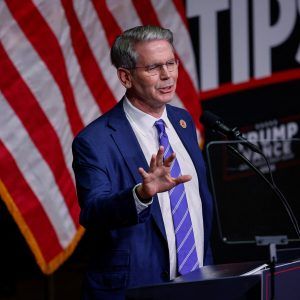
Later that day, the scope of the operation became clearer when Homeland Security Secretary Kristi Noem shared video footage of the interception on social media. The clip showed U.S. Coast Guard personnel boarding the vessel and escorting it under U.S. control.
In her post, Noem described the action as necessary enforcement of U.S. law, noting that the tanker had most recently docked in Venezuela. The video quickly circulated online, prompting both praise and criticism as viewers debated the implications of the operation.
Officials confirmed that this was the second oil tanker intercepted in the region in a relatively short period, suggesting a pattern rather than an isolated event.
The Vessel and Its Background
While authorities have not released the tanker’s name or ownership details, officials said the vessel had been flagged for potential sanctions violations based on its recent travel history and cargo indicators.
Venezuela’s oil exports remain heavily restricted under U.S. sanctions, though limited licenses and exemptions exist. Determining whether a shipment violates those restrictions often requires detailed analysis of contracts, destinations, and financial arrangements.
U.S. officials indicated that the tanker would remain under control while investigators determine whether it was engaged in illicit trade.
Why Venezuelan Oil Remains a Flashpoint
Venezuela holds some of the largest proven oil reserves in the world, yet its energy sector has been crippled by years of mismanagement, sanctions, and political turmoil. The U.S. sanctions regime is intended to pressure the Venezuelan government while allowing humanitarian considerations to be addressed through limited exemptions.
Critics argue that sanctions have failed to achieve political reform while worsening economic conditions for ordinary Venezuelans. Supporters counter that lax enforcement would embolden authoritarian behavior and undermine international norms.
Oil tankers operating in or around Venezuelan waters have thus become focal points in a much larger geopolitical struggle.
Legal Authority and International Law
U.S. maritime interceptions are typically conducted under a combination of domestic law, international agreements, and sanctions enforcement authorities. The Coast Guard, unlike the Navy, operates as a law enforcement agency with broad jurisdiction in maritime matters.
Officials stressed that the interception was conducted in accordance with applicable legal frameworks and did not violate international maritime law. They also emphasized coordination with other federal agencies to ensure due process.
Such operations, however, often draw scrutiny from foreign governments and legal observers, particularly when commercial shipping is involved.
https://twitter.com/Sec_Noem/status/2002481990755627050
Regional Implications
The interception comes amid heightened tensions in the Caribbean basin, where issues ranging from drug trafficking to migration and energy security intersect. U.S. officials have sought to reassure regional partners that enforcement actions are narrowly targeted and not intended to disrupt lawful commerce.
At the same time, the visibility of the operation sends a message to shipping companies, insurers, and financial institutions that sanctions enforcement is being taken seriously.
Analysts say this may have a chilling effect on firms considering business tied to Venezuelan oil, even indirectly.
Domestic Political Context
Within the United States, the operation plays into broader debates over border security, sanctions policy, and executive authority. Supporters of the administration’s approach view the interception as evidence of decisive leadership and effective use of existing laws.
Critics question whether such actions risk escalation or unintended consequences, particularly if other nations view them as overreach. Some have also raised concerns about transparency, calling for clearer explanations of how vessels are selected for interception.
The administration has so far defended the operation as routine enforcement rather than an extraordinary measure.