


A prominent conservative leader delivered one of the most consequential political moments of the year this week, signaling what many inside Republican circles now view as the opening move of the 2028 presidential race. Speaking before a packed crowd of activists, donors, and students, the remarks carried both emotional weight and clear political intent, underscoring a shifting balance of power within the conservative movement as it looks beyond the current administration.
The address took place during a major annual conservative gathering in Phoenix, where thousands had assembled for several days of speeches, panels, and tributes. While the event has long been a platform for rising figures and ideological debates, this year’s conference carried an unmistakably different tone. Grief, resolve, and long-term ambition intertwined as speakers reflected on loss, legacy, and the future direction of the movement.
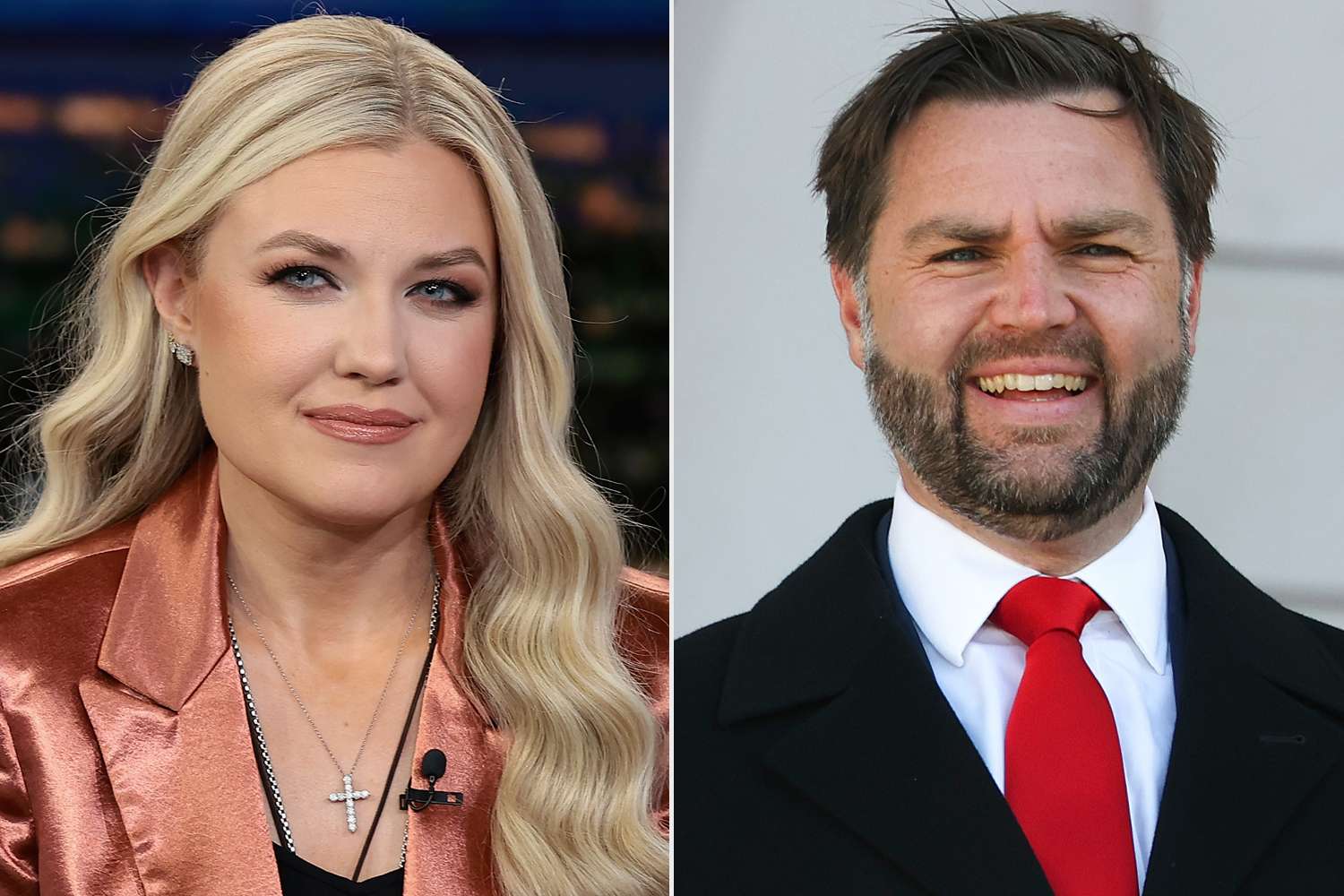
Midway through the speech, the audience erupted as the speaker made clear her intention to actively support Vice President JD Vance in a future bid for the presidency. Though Vance has not formally declared his candidacy, her words were widely interpreted as a decisive early endorsement—one that could shape donor behavior, grassroots organizing, and institutional alignment well ahead of the 2028 election cycle.
“We are going to get my husband’s friend elected for 48 in the most resounding way possible,” she said, prompting sustained applause. The phrasing left little doubt about her intent to play a hands-on role in mobilizing conservative voters behind Vance should he enter the race.
The endorsement is notable not only for its timing but also for the stature of the speaker. As the CEO of Turning Point USA, she leads one of the most influential conservative youth and activist organizations in the country. The group has been instrumental in voter registration drives, campus activism, and grassroots turnout efforts in recent election cycles, including the successful 2024 campaign that returned Donald Trump to the White House with Vance as his running mate.
Her remarks also carried deep personal resonance. She is the widow of the organization’s co-founder, whose assassination earlier this year sent shockwaves through conservative circles nationwide. His death elevated him from political organizer to symbol—one frequently invoked throughout the conference as speakers called for unity, discipline, and strategic focus in the years ahead.
Throughout her address, she framed the endorsement not as a political calculation but as a continuation of her late husband’s work. She described Vance as a close friend of her family and credited him with sharing her husband’s vision for building broad coalitions across ideological and cultural lines within the right.
“This is a full-circle moment,” she told the audience, reflecting on how her husband once stood on the same stage and dedicated his life to public service. She described the months since his death as a period of painful clarity, marked by both solidarity and division within the conservative movement.
According to her, the aftermath revealed who was willing to fight for shared principles and who allowed personal grievances or ideological purism to fracture alliances. She argued that the movement’s success in the coming decade would depend less on rhetoric and more on discipline, coalition-building, and the ability to govern effectively.
Her comments resonated amid ongoing debates within conservative ranks about the direction of post-Trump politics. While President Trump remains the dominant figure in the party, attention has increasingly turned to succession and continuity—questions that were once considered premature but now loom large as the administration advances through its second term.
JD Vance has emerged as a central figure in those discussions. Since taking office as vice president, he has built a profile that blends populist economics, cultural conservatism, and institutional reform. Allies point to his role in shaping domestic policy priorities, staffing decisions, and legislative strategy, crediting him with helping translate campaign promises into actionable governance.
Polls conducted over recent months already place Vance at the top of hypothetical Republican primary matchups for 2028, outperforming other potential contenders. While such surveys remain speculative, they reflect growing acceptance of Vance as a natural heir to the Trump coalition—someone capable of maintaining its core appeal while expanding its reach.
The conference itself served as a microcosm of these dynamics. In addition to the endorsement, the event featured speeches from a wide range of conservative voices, some emphasizing unity and others warning of internal threats. Commentators addressed concerns about ideological drift, media manipulation, and what they described as the rise of opportunism within conservative politics.
One speaker cautioned that the movement faces dangers not only from political opponents but also from within, criticizing figures who thrive on outrage without offering constructive solutions. Another urged attendees to remain grounded in faith and principle, warning against allowing partisan conflict to eclipse moral purpose.
Despite occasional tensions, the overall tone of the gathering leaned toward consolidation rather than fragmentation. Repeated references to the late activist’s legacy reinforced calls for strategic cooperation, especially as conservatives anticipate high-stakes electoral battles in the coming years.
Beyond the political implications, the endorsement also underscored the emotional undercurrents shaping the movement. Tributes throughout the conference highlighted the personal sacrifices involved in political activism, as well as the risks faced by high-profile figures in an increasingly volatile environment.
The legal proceedings related to the assassination continue to unfold, with prosecutors pursuing the maximum penalty against the accused. Speakers at the conference referenced the case sparingly but consistently framed it as a reminder of what they see as escalating hostility toward conservative voices in public life.
For many attendees, the endorsement represented more than a nod toward 2028. It was interpreted as a signal that the conservative movement is beginning to transition from a defensive posture—focused on reclaiming power—to an assertive phase centered on long-term governance and leadership development.
In that context, the backing of JD Vance carries strategic weight. With access to established donor networks, grassroots infrastructure, and a national platform, early support from influential figures could deter potential rivals and accelerate consolidation around a single candidate.
At the same time, the absence of a formal campaign allows Vance to continue building his record within the administration, strengthening his credentials while avoiding the pitfalls of early politicking. Allies suggest this balance—governing now, organizing quietly for later—may prove decisive as the political landscape evolves.
As the conference concluded, the message to attendees was clear: the future is already taking shape, and the choices made now will determine whether the movement maintains cohesion or succumbs to internal division.
While the 2028 election remains years away, moments like this underscore how early narratives are formed and alliances cemented. In conservative politics, momentum often precedes announcements, and endorsements can matter long before ballots are cast.
For supporters in Phoenix, the speech felt like the beginning of a new chapter—one rooted in legacy, sharpened by loss, and aimed squarely at shaping the next generation of national leadership.

Emily Johnson is a critically acclaimed essayist and novelist known for her thought-provoking works centered on feminism, women’s rights, and modern relationships. Born and raised in Portland, Oregon, Emily grew up with a deep love of books, often spending her afternoons at her local library. She went on to study literature and gender studies at UCLA, where she became deeply involved in activism and began publishing essays in campus journals. Her debut essay collection, Voices Unbound, struck a chord with readers nationwide for its fearless exploration of gender dynamics, identity, and the challenges faced by women in contemporary society. Emily later transitioned into fiction, writing novels that balance compelling storytelling with social commentary. Her protagonists are often strong, multidimensional women navigating love, ambition, and the struggles of everyday life, making her a favorite among readers who crave authentic, relatable narratives. Critics praise her ability to merge personal intimacy with universal themes. Off the page, Emily is an advocate for women in publishing, leading workshops that encourage young female writers to embrace their voices. She lives in Seattle with her partner and two rescue cats, where she continues to write, teach, and inspire a new generation of storytellers.