A long-running congressional investigation took a sharper turn this week after senior lawmakers warned that legal enforcement tools could soon be used against prominent political figures who fail to comply with requests for testimony. The development marks a significant escalation in a probe that has remained largely procedural until now, but which is increasingly moving into confrontational territory.
At the center of the dispute is a demand for cooperation tied to an expanding review of records, testimony, and communications connected to one of the most notorious criminal cases in recent American history. While no criminal allegations have been formally leveled against the individuals involved in this latest phase, congressional leaders say patience is wearing thin.
The warning, delivered publicly, signals that voluntary compliance may soon give way to compulsory measures.
A Probe That Refuses to Fade
Years after the death of Jeffrey Epstein, congressional interest in the network surrounding him has not diminished. Instead, it has intensified as lawmakers push for fuller disclosure of records that they argue were shielded from public view for too long.
The current inquiry is being driven by the House Oversight Committee, which has framed its work as an effort to uncover institutional failures, potential favoritism, and gaps in accountability. Committee leaders argue that transparency is essential not only for public trust, but for ensuring that similar failures do not occur again.
Until now, much of the investigation has relied on document requests and voluntary cooperation. That approach may be nearing its limit.
Warning of Contempt Powers
This week, the chairman of the House Oversight Committee publicly warned that the committee is prepared to initiate contempt of Congress proceedings if certain witnesses do not agree to appear for depositions.
Contempt of Congress is a rarely used but powerful enforcement mechanism that allows lawmakers to compel testimony or punish refusal to cooperate. While it does not automatically imply criminal wrongdoing, it represents a serious step that can carry legal consequences if referred to the Justice Department.
Committee leadership emphasized that the warning applies broadly and is not intended as a political stunt, but as a response to what they describe as months of delay and non-responsiveness.
Focus on High-Profile Figures
Although the committee has sought information from a wide range of individuals and institutions, attention quickly centered on two of the most recognizable names in modern American politics. The committee says it wants sworn testimony to clarify past interactions, travel records, and knowledge related to Epstein’s activities.
Lawmakers stress that the request is not an accusation, but rather part of an effort to establish a complete factual record. Still, the involvement of such prominent figures has raised the stakes of the investigation and drawn intense media scrutiny.
Only midway through the controversy did committee leadership confirm the identities of those now facing potential contempt proceedings.
The Individuals Involved
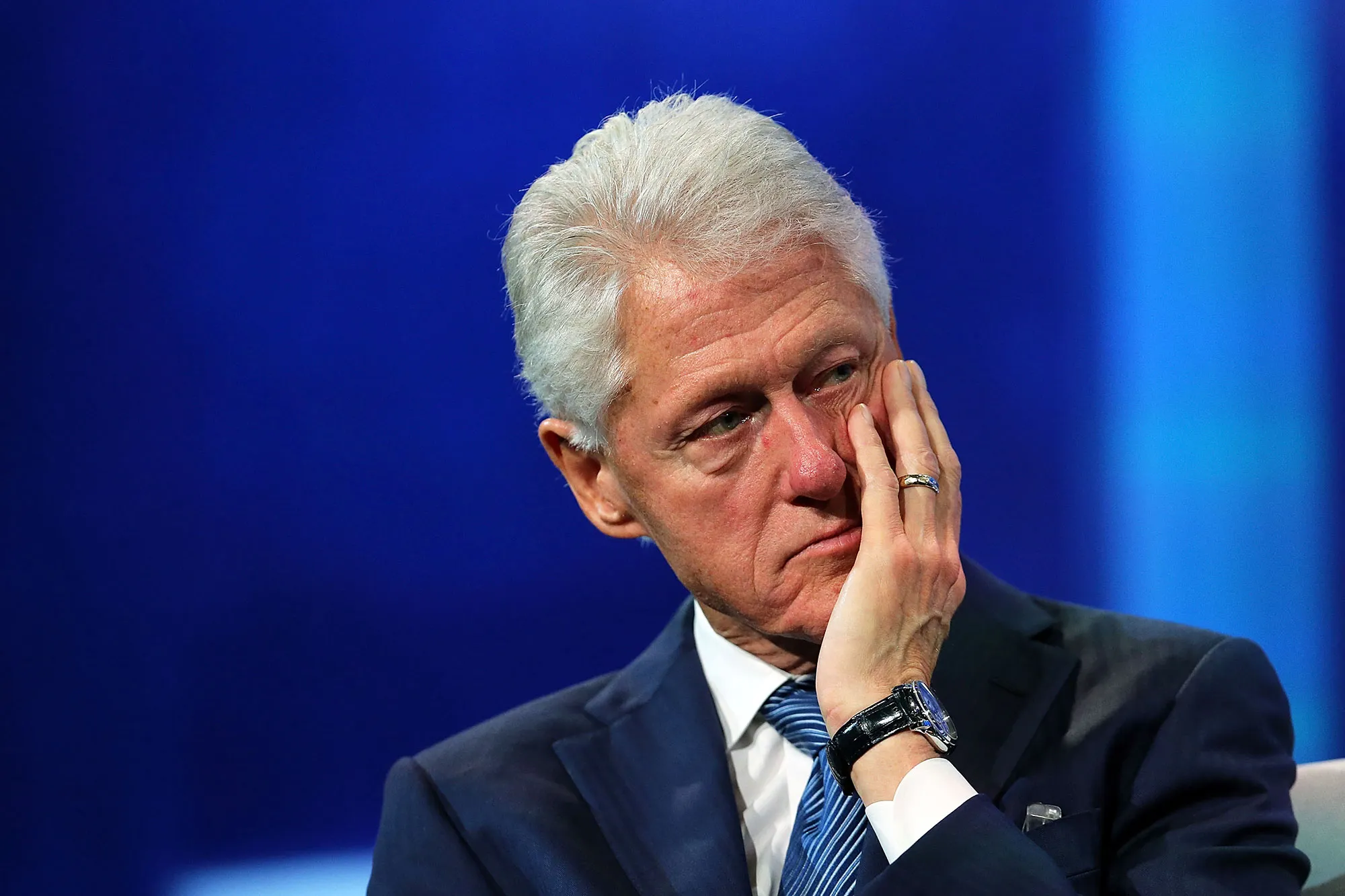
The figures in question are former President Bill Clinton and former Secretary of State Hillary Clinton, both of whom have been asked to sit for depositions as part of the Epstein-related inquiry.
Committee Republicans say the Clintons’ cooperation is necessary due to Epstein’s documented social proximity to powerful individuals during the years when his criminal conduct was ongoing. They emphasize that the request is part of a uniform approach applied to multiple witnesses, not a targeted accusation.
The Clintons have not been charged with any crimes related to Epstein, and no evidence has been presented by the committee alleging criminal behavior by either.
Republican Leadership’s Position
House Oversight Committee Chairman James Comer said the committee has extended repeated invitations for voluntary testimony, but that those efforts have not yet produced a scheduled appearance.
According to Comer, the committee is now considering formal action to ensure compliance. He argued that Congress cannot allow high-profile figures to ignore lawful oversight requests while demanding transparency from others.
“This investigation cannot be selective,” Comer said in a public statement, adding that no one should be considered beyond the reach of congressional oversight.
Democrats Push Back
Democratic lawmakers have criticized the escalation, characterizing it as politically motivated and unnecessary. They argue that the investigation risks becoming a partisan spectacle rather than a serious inquiry into systemic failures.
Some Democrats point out that Epstein’s crimes were prosecuted years ago and that revisiting the matter through congressional hearings may do little to advance justice for victims. Others argue that the committee is using the threat of contempt to generate headlines rather than substantive findings.
Despite these objections, Democrats on the committee have not disputed Congress’s legal authority to seek testimony.
Legal and Political Implications
Contempt proceedings against former presidents or cabinet officials are exceedingly rare and would almost certainly prompt legal challenges. Such a move could trigger prolonged court battles over executive privilege, relevance, and the limits of congressional authority.
Legal experts note that even the initiation of contempt proceedings would be significant, regardless of outcome. It would underscore how aggressively Congress is willing to pursue compliance and could set precedent for future investigations involving former officials.
Politically, the move risks deepening partisan divides at a time when public trust in institutions remains fragile.
The Epstein Files Context
The warning comes as lawmakers push for broader disclosure of Epstein-related materials under recently enacted transparency measures. Those efforts include demands for the release of unclassified records from federal agencies, financial institutions, and prior investigations.
Supporters of full disclosure argue that Epstein’s ability to evade accountability for years suggests systemic failures that must be examined openly. Critics counter that repeated investigations risk retraumatizing victims without producing meaningful reform.
Still, momentum for transparency has grown, and the Oversight Committee appears determined to press forward.
What Happens Next
If the committee moves ahead with contempt proceedings, it would first require a formal vote. From there, the matter could be referred to the Justice Department or pursued through civil enforcement in federal court.
Whether that step will be taken remains uncertain. Committee leaders have indicated that they would prefer voluntary cooperation and have left the door open for witnesses to schedule testimony before formal action is initiated.
For now, the warning stands as a clear signal: the investigation is entering a more confrontational phase.
A Test of Congressional Authority
Beyond the individuals involved, the dispute highlights a broader question about the power of Congress to conduct oversight of former officials long after they leave office. The outcome could shape how future investigations are conducted and how far lawmakers can go in compelling testimony from political elites.
As deadlines approach and pressure builds, the situation underscores how the Epstein case—despite being years old—continues to reverberate through America’s political and legal systems.
Whether the threat of contempt leads to testimony or to a protracted legal battle, it is clear that the investigation is far from over.