


The debate over marijuana legalization and medical use in the United States could be entering a new chapter. On December 15, President Donald Trump indicated that his administration is considering an executive order to reclassify marijuana out of Schedule I of the Controlled Substances Act (CSA). The announcement, made during a White House ceremony presenting the Mexican Border Defense Medal, signals a potential continuation and acceleration of a federal review process that began under the Biden administration in 2022. While the move would not legalize marijuana outright, it could have far-reaching implications for research, banking, and the legal landscape surrounding the drug.
The Controlled Substances Act categorizes drugs into five schedules based on their potential for abuse, medical utility, and risk to public health. Schedule I, the strictest category, is reserved for substances deemed to have no currently accepted medical use and a high potential for abuse. This includes drugs such as LSD, ecstasy (MDMA), and heroin. Marijuana, despite its widespread use for both recreational and medical purposes, remains in this category at the federal level—a designation that has long sparked debate among lawmakers, medical professionals, and advocates.
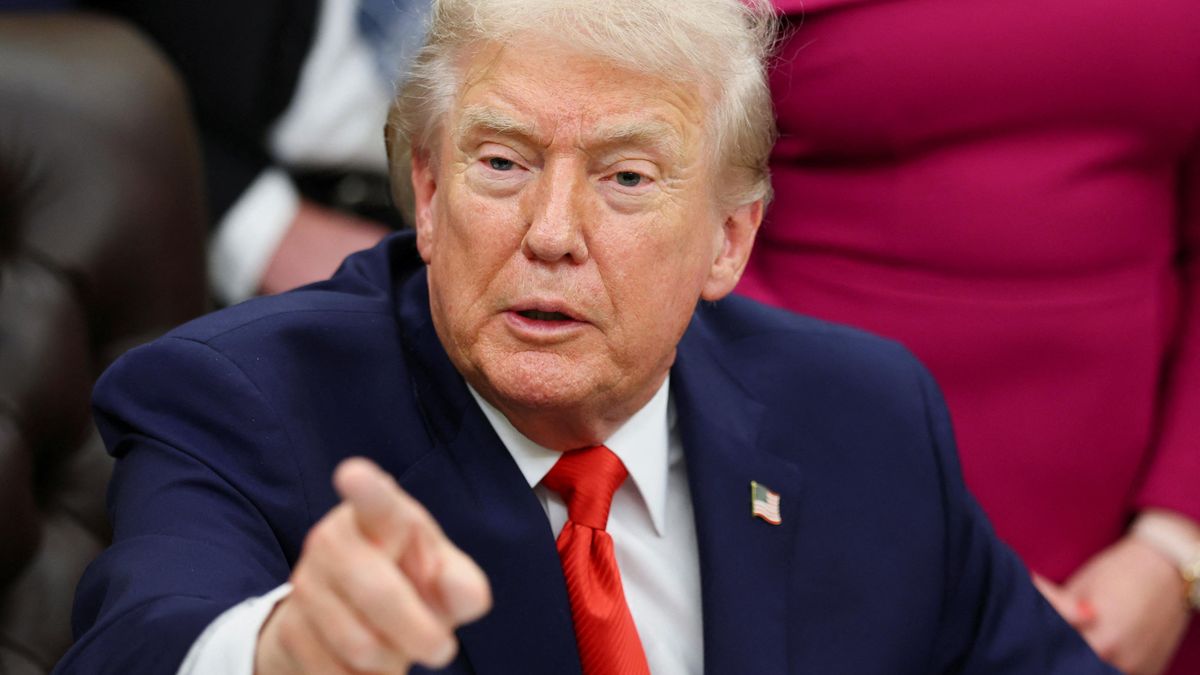
During the White House event, Trump told reporters, “We are considering that. Because a lot of people want to see the reclassification, because it leads to tremendous amounts of research that can’t be done unless you reclassify. So we are looking at that very strongly.” He acknowledged that opinions on the issue vary, noting, “Some people like it. Some people hate it. Some people hate the whole concept of marijuana, because if it does bad for the children, it does bad for people that are older than children.” Nonetheless, he emphasized the potential medical benefits, particularly for pain management and other therapeutic applications.
Trump’s statement reflects a continuation of federal engagement with marijuana classification, following actions initiated by President Joe Biden. In 2022, Biden instructed the Department of Health and Human Services (HHS) to review the classification of marijuana. The review, which concluded in 2023, recommended reclassifying marijuana as a Schedule III substance—a category used for drugs with accepted medical use and moderate to low potential for abuse. Schedule III substances include widely used medications such as anabolic steroids, ketamine, and testosterone.
Following HHS recommendations, the Justice Department under the Biden administration announced in May 2024 that it would proceed with reclassification, directing the Drug Enforcement Administration (DEA) to formalize the change. However, with the Republican Party regaining control of the executive branch in 2025, the status of the initiative became uncertain. Trump’s recent comments suggest that his administration may now take up the issue once more, potentially completing the reclassification process that had stalled after the transition of power.
Reclassifying marijuana has significant practical implications beyond symbolic gestures. Currently, Schedule I designation imposes numerous restrictions on legal markets and medical research. Banks, wary of federal prosecution, often refuse to provide financial services to marijuana-related businesses, even in states where recreational or medical use is legal. For research institutions, the Schedule I status creates bureaucratic hurdles that make it difficult to conduct federally authorized clinical trials, forcing scientists to rely on self-reported data or limited sources of marijuana that meet federal approval standards. Kent Vrana, director of the Penn State Center for Cannabis and Natural Product Pharmaceuticals, has highlighted the challenges faced by researchers. He noted that certain FDA-approved drugs, such as Epidiolex—used to treat severe childhood epilepsy—rely on cannabinoids from cannabis plants, yet conducting robust trials remains cumbersome due to federal restrictions.
“Reclassification would make it easier to conduct clinical trials and better understand both the benefits and risks of cannabis,” Vrana said. “It would allow universities and medical institutions to access standardized, high-quality plant material for research and enable funding that is often tied to compliance with federal law.”
The potential executive order also has political ramifications. Marijuana policy has historically split along partisan lines, but polling indicates widespread support across the political spectrum. A March 2025 poll conducted by Fabrizio, Lee, & Associates found that 72 percent of all voters—and 67 percent of Republican voters—support moving marijuana from Schedule I to Schedule III. Trump’s engagement on the issue may thus appeal to moderate and libertarian-leaning constituencies while also addressing demands from the medical and scientific community.
Legal experts note that reclassification does not equate to legalization or decriminalization. Marijuana would remain illegal under federal law for recreational use, and penalties for possession or distribution would continue to apply where federal statutes supersede state law. However, a Schedule III designation could reduce regulatory friction for companies operating in legal states, allowing banks to engage more freely with marijuana businesses and potentially expanding opportunities for interstate commerce and investment.
Moreover, reclassification could open the door for expanded medical research. Beyond epilepsy, cannabinoids have been studied for their potential in treating insomnia, anxiety, chronic pain, and other conditions. While evidence supporting some uses remains mixed, the prospect of more rigorous clinical studies could provide clearer guidance for physicians and patients alike.
Trump’s public statements suggest that he views marijuana primarily through a medical and research lens rather than a recreational one. “For pain and various things, I’ve heard some pretty good things,” he said, adding that there are also “bad things having to do with just about everything else but medical.” This perspective aligns with a growing recognition among policymakers that cannabis has legitimate therapeutic potential, even as recreational use continues to be debated at the state and local levels.
The broader implications of a potential executive order extend to federal law enforcement and the judiciary. By formally moving marijuana out of Schedule I, federal agencies may reallocate resources away from prosecuting minor cannabis offenses, focusing instead on more pressing criminal justice priorities. Additionally, the reclassification could affect sentencing guidelines for past marijuana convictions, potentially influencing the broader conversation around criminal justice reform and social equity initiatives tied to cannabis policy.
While details of Trump’s contemplated executive order remain sparse, the announcement underscores the ongoing evolution of marijuana policy in the United States. From Biden’s initial review in 2022 to the possible action under Trump in 2025, federal authorities are grappling with the intersection of public health, medical research, economic interests, and social policy. The debate is further complicated by the patchwork of state laws: currently, more than 20 states have legalized recreational marijuana, and over 35 permit medical use, creating a complex legal landscape in which federal policy carries substantial weight.
Advocates for reclassification argue that aligning federal law with medical evidence would not only facilitate research but also reduce conflicts with state laws and encourage responsible use under regulated frameworks. Critics, however, caution that Schedule III status may inadvertently encourage broader consumption or send mixed messages about safety, especially to younger populations. They stress the need for comprehensive education and regulatory oversight alongside any reclassification effort.
Trump’s statements come amid a broader pattern of executive involvement in drug policy. Previous administrations have used executive orders to influence federal drug scheduling, prioritize enforcement strategies, and direct research initiatives. In this context, a Trump order to reclassify marijuana would represent a continuation of executive influence on public health and legal frameworks, reinforcing the president’s role in shaping national drug policy without requiring immediate congressional approval.
Experts emphasize that the path forward is contingent on several factors. The executive order would likely require coordination with HHS, the DEA, and the Food and Drug Administration (FDA) to ensure legal and scientific compliance. Additionally, public input, legal challenges, and logistical considerations related to banking, taxation, and interstate commerce could influence the implementation timeline. Trump indicated that a determination could come “over the next few weeks,” leaving stakeholders across the medical, business, and legal sectors awaiting further guidance.
In conclusion, while the potential executive order would not legalize marijuana, it represents a significant step in federal policy that could reshape the research landscape, reduce regulatory hurdles, and reflect growing bipartisan recognition of cannabis’s medical value. By revisiting and potentially completing the reclassification process begun under President Biden, Trump’s administration may further align federal law with contemporary scientific understanding and societal attitudes toward marijuana. Whether the move ultimately balances public health, medical innovation, and legal clarity will be closely watched by lawmakers, researchers, patients, and industry leaders across the nation.
The president’s remarks signal a readiness to engage with a complex and controversial issue, demonstrating that marijuana policy remains a dynamic arena where science, law, and politics intersect. For researchers, patients, and businesses alike, the possibility of Schedule III reclassification offers hope for expanded access to medical studies, clearer regulatory pathways, and a more consistent federal approach, even as broader legalization debates continue at state and local levels. By highlighting both potential benefits and ongoing risks, Trump’s comments underscore the administration’s recognition of the multifaceted nature of cannabis policy and the importance of thoughtful federal oversight.

Emily Johnson is a critically acclaimed essayist and novelist known for her thought-provoking works centered on feminism, women’s rights, and modern relationships. Born and raised in Portland, Oregon, Emily grew up with a deep love of books, often spending her afternoons at her local library. She went on to study literature and gender studies at UCLA, where she became deeply involved in activism and began publishing essays in campus journals. Her debut essay collection, Voices Unbound, struck a chord with readers nationwide for its fearless exploration of gender dynamics, identity, and the challenges faced by women in contemporary society. Emily later transitioned into fiction, writing novels that balance compelling storytelling with social commentary. Her protagonists are often strong, multidimensional women navigating love, ambition, and the struggles of everyday life, making her a favorite among readers who crave authentic, relatable narratives. Critics praise her ability to merge personal intimacy with universal themes. Off the page, Emily is an advocate for women in publishing, leading workshops that encourage young female writers to embrace their voices. She lives in Seattle with her partner and two rescue cats, where she continues to write, teach, and inspire a new generation of storytellers.