Federal food safety regulators have issued their most serious warning level following the recall of a cheddar cheese product sold in Michigan, citing the potential presence of Listeria monocytogenes, a bacterium known to cause severe and sometimes fatal infections in vulnerable populations.
The U.S. Food and Drug Administration (FDA) confirmed this week that it has classified the recall as a Class I event, the agency’s highest risk designation. The classification indicates that consumption of the affected product carries a reasonable probability of causing serious adverse health consequences or death.
Details of the Recall
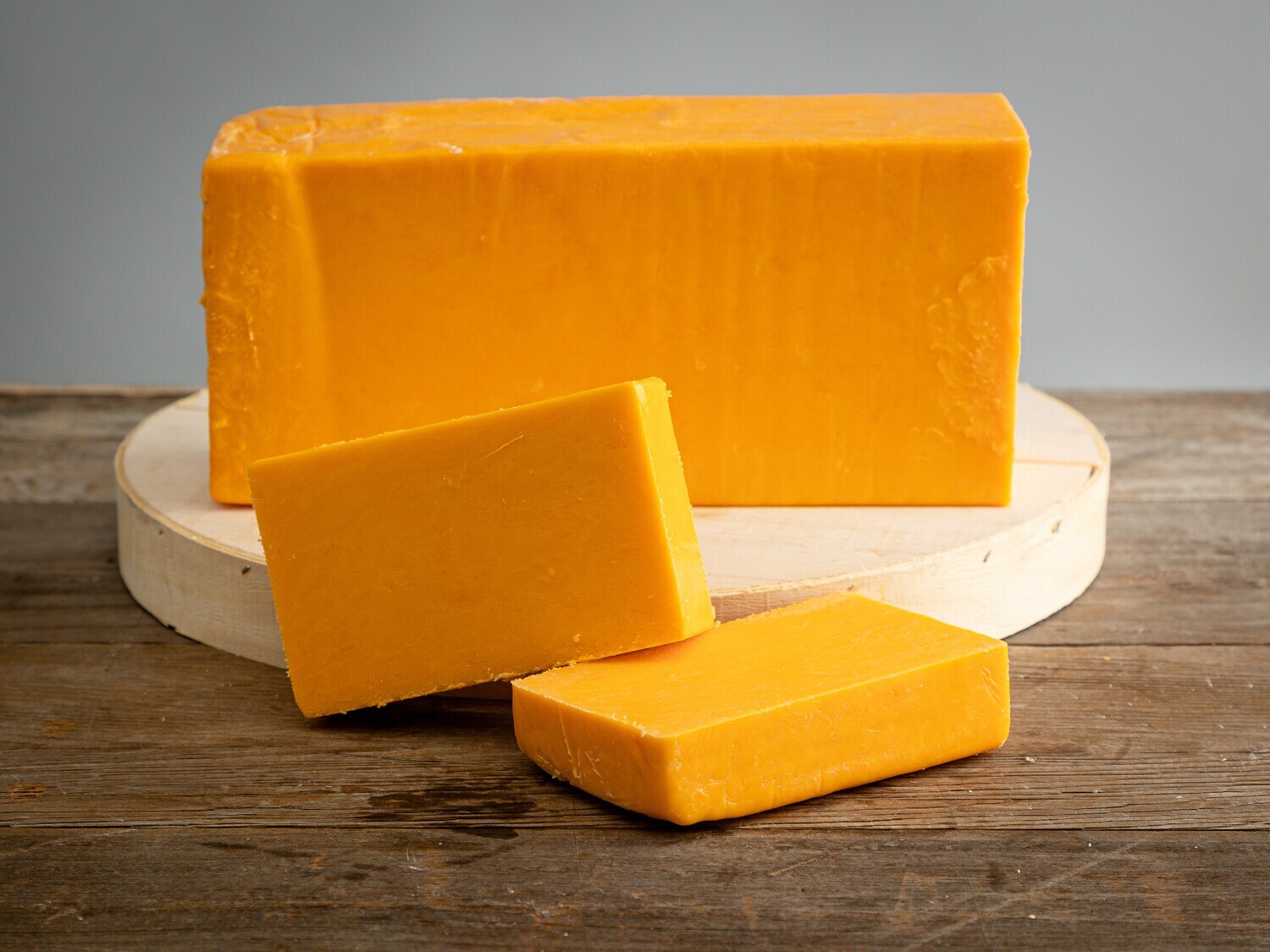
The recall involves Mild Cheddar Cheese produced by Boss Dairy Farms, based in Charlevoix, Michigan, and sold under the Charlevoix Cheese Company label. According to the FDA’s Dec. 10 enforcement report, the company voluntarily withdrew 420 individual retail units from distribution last month after concerns emerged regarding possible contamination.
The affected products were distributed in 35 wholesale cases, each containing 12 retail packages. Each package weighed 8 ounces and carried the product code UPC 8 50056-64205 7. The recall was initially initiated on Nov. 16, though the heightened FDA classification was issued several weeks later following a risk assessment.
As of publication, Boss Dairy Farms had not responded to requests for comment regarding the recall or the FDA’s Class I designation.
What a Class I Recall Means
A Class I recall represents the most urgent type of food safety action taken by the FDA. According to the agency, this designation is used when there is a strong likelihood that exposure to the product could lead to serious illness or death.
“Class I recalls are issued out of an abundance of caution because the health risks are potentially severe,” said Bryan Quoc Le, founder of Mendocino Food Consulting. “Listeria is particularly dangerous because it doesn’t just cause mild food poisoning—it can lead to invasive infections, hospitalization, and fatalities in high-risk groups.”
By comparison, a Class II recall applies to products that may cause temporary or medically reversible health effects, while a Class III recall typically involves regulatory violations that are unlikely to result in illness, such as labeling errors.
Understanding Listeria monocytogenes
Listeria monocytogenes is a bacterium that can survive and grow in refrigerated environments, making it especially dangerous in ready-to-eat foods like cheese, deli meats, and pre-packaged produce.
According to the FDA and the Centers for Disease Control and Prevention (CDC), listeriosis—the infection caused by the bacterium—can be particularly severe in:
Symptoms may begin with fever, muscle aches, headache, stiff neck, confusion, and loss of balance. In more serious cases, the infection can spread beyond the gastrointestinal tract, leading to meningitis, bloodstream infections, or convulsions. Pregnant women may experience mild symptoms themselves but face the risk of miscarriage, stillbirth, or severe illness in newborns.
Health officials note that symptoms can appear days or even weeks after consuming contaminated food, making outbreaks difficult to trace.
No Illnesses Confirmed—Yet
As of the FDA’s latest update, no confirmed illnesses have been publicly linked to the recalled cheddar cheese. However, regulators emphasized that the recall and its elevated risk classification are precautionary measures intended to prevent harm before cases occur.
Consumers who purchased the product are being urged not to consume it, even if it appears normal or smells fine. The FDA advises disposing of the cheese or returning it to the place of purchase, and thoroughly cleaning any surfaces or containers that may have come into contact with it.
Broader Pattern of Listeria Recalls
The cheddar cheese recall comes amid a broader wave of food safety actions involving potential Listeria contamination across the United States.
In recent weeks, several food producers issued voluntary recalls of peach salsa products after possible contamination was traced back to a packing facility handling California-grown peaches. The initial recall was announced by Moonlight Companies on Oct. 29, after routine testing raised concerns.
Two additional companies—Supreme Produce LLC and JFE Franchising Inc.—subsequently expanded recalls to include salsa products containing the affected peaches. These items were distributed through Kroger grocery stores in multiple states.
While the products varied, the underlying issue was the same: potential exposure to Listeria monocytogenes.
Why Listeria Cases Are Increasing
Food safety experts say that the growing number of recalls does not necessarily mean food is becoming less safe. Instead, it reflects improvements in detection methods and increased regulatory scrutiny.
“We are seeing more Listeria cases and recalls lately, not because safety standards are worse, but because detection technologies are better,” said Eran Mizrahi, CEO of global food sourcing firm Source86. “Advanced testing allows companies and regulators to identify risks earlier, but it also exposes weaknesses in sanitation and process controls.”
Mizrahi added that modern supply chains are complex, and a single contamination point—such as a packing facility or processing line—can affect multiple brands and products.
Risks for Small and Regional Producers
The recall highlights challenges faced by small and regional food producers, particularly in dairy operations where equipment sanitation and environmental monitoring are critical.
Cheese production environments can be especially vulnerable to Listeria, which can persist in drains, floors, and hard-to-clean surfaces if not rigorously controlled. Once established, the bacterium can be difficult to eliminate without extensive cleaning and operational changes.
Regulators often require affected facilities to review sanitation procedures, conduct environmental testing, and implement corrective actions before resuming normal production.
What Consumers Should Do
Health officials recommend that consumers take the following steps:
-
Check product labels carefully for the listed UPC code
-
Discard or return any recalled cheese immediately
-
Clean and sanitize refrigerators, cutting boards, and utensils
-
Monitor for symptoms, particularly if you are in a high-risk group
Anyone experiencing symptoms consistent with listeriosis should seek medical attention and inform their health care provider about possible food exposure.
Regulatory Oversight and Next Steps
The FDA continues to monitor the situation and has indicated that the recall classification may be updated as additional information becomes available. Inspections and testing at the production facility are typically part of the follow-up process, though specific enforcement actions were not detailed in the agency’s report.
Food safety advocates say the incident underscores the importance of strong oversight and rapid response systems to protect public health.
“Class I recalls are serious, but they also show the system working,” Le said. “The goal is always prevention—catching the risk before people get sick.”
A Reminder for Consumers
As food recalls become more frequent and widely publicized, experts encourage consumers to stay informed and sign up for recall alerts through the FDA or state health departments.
While most people will never encounter contaminated food, Listeria remains one of the most dangerous foodborne pathogens in the U.S., responsible for an estimated 1,600 illnesses and 260 deaths each year, according to CDC data.
The FDA emphasized that vigilance—from producers, regulators, and consumers alike—remains essential in reducing the risk of serious foodborne illness.