



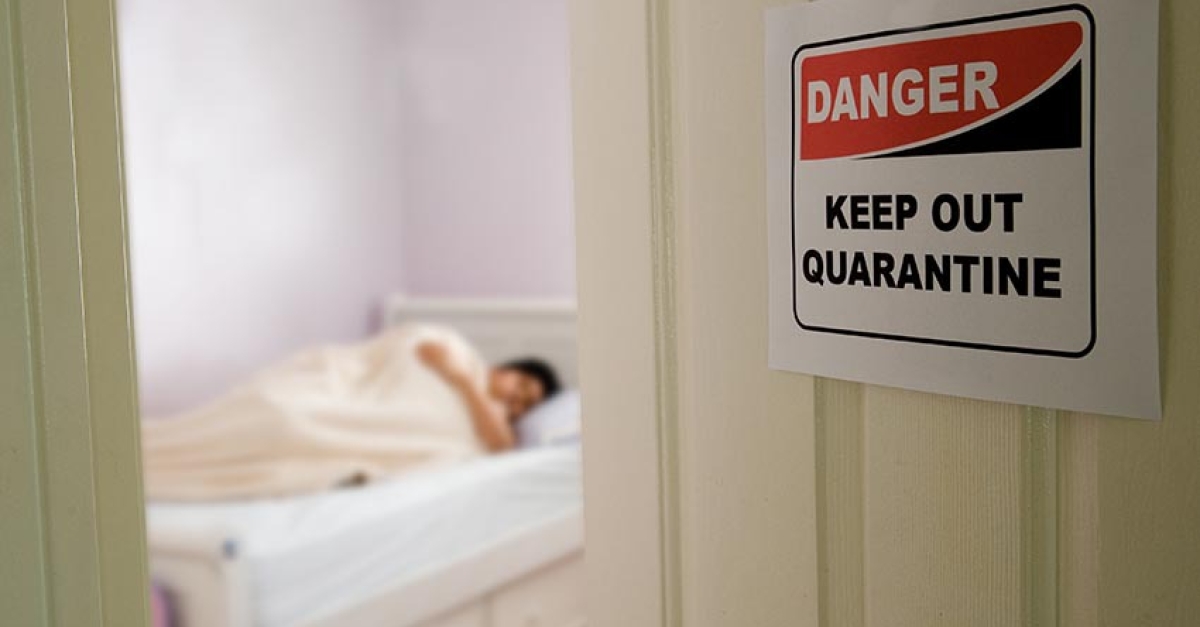
Health officials are scrambling to contain a growing outbreak of a highly contagious virus that has forced hundreds of people into quarantine and disrupted daily life across multiple communities. Since the outbreak began in early autumn, the number of confirmed infections has steadily climbed, prompting repeated warnings from public health authorities and intensified efforts to prevent further spread.
In a statement released this week, state health officials confirmed 27 new cases linked to the ongoing outbreak, bringing the total number of infections to more than 110. As a result, over 250 individuals are currently under quarantine, with additional patients placed in isolation due to confirmed illness.
The newly reported cases stem from a range of exposure settings, including schools, churches, private homes, and at least one health care facility, underscoring how easily the virus can spread through close contact. Officials said that many of the cases are epidemiologically linked, though at least one recent infection has an unknown source, raising concerns about broader community transmission.
Health authorities reported that dozens of those quarantined are school-aged children. In one intermediate school alone, more than 40 students were placed under quarantine after potential exposure. Officials noted that children and adolescents account for a significant share of confirmed cases, particularly among those who are unvaccinated.
Vaccination status data released by the health department shows that the vast majority of infected individuals had not received the recommended vaccine. Only a handful of cases involved people who were partially or fully vaccinated, while a small number remain under investigation due to unknown vaccination histories.
Midway through the update, officials confirmed that the outbreak is taking place in South Carolina, with clusters centered in parts of the Upstate region. The outbreak was first identified in October, and state health officials say it has continued to expand despite containment efforts.
According to the South Carolina Department of Public Health, exposure events have included religious gatherings, household contact with known cases, and school-based transmission. One recent case involved exposure in a medical setting, prompting additional precautions and notifications to potentially affected individuals.
Public health officials urged anyone who believes they may have been exposed to immediately contact a health care provider before visiting a clinic or hospital in person. They emphasized that early communication helps prevent further spread, particularly in waiting rooms and other shared spaces.
The department reiterated that people who are infected—even those experiencing mild symptoms—should remain at home during the contagious period. Individuals under quarantine were also advised not to attend work, school, or public gatherings until cleared by health officials.
“A person with this illness can spread the virus several days before they realize they are sick,” the agency said, noting that this makes containment especially challenging. Officials stressed that vaccination remains the most effective tool for preventing infection and stopping the outbreak.
According to the Centers for Disease Control and Prevention, people who contract the virus typically develop long-term immunity after recovery. However, health experts caution that infection can be dangerous, particularly for young children, pregnant women, and individuals with compromised immune systems.
Recognizing Symptoms
Health authorities say the illness generally develops in two stages. Early symptoms often include a high fever—frequently exceeding 101 degrees Fahrenheit—along with cough, runny nose, and red, watery eyes. These symptoms usually appear seven to 14 days after exposure.
Several days later, a second phase begins. Some patients develop small white spots inside the mouth, known as Koplik spots, followed by a distinctive rash. The rash typically starts near the hairline and spreads downward across the body.
As the rash appears, fevers can spike dramatically, sometimes reaching more than 104 degrees Fahrenheit, according to the CDC.
State health officials said they will continue monitoring the outbreak closely and will provide updates as new information becomes available. In the meantime, they urged residents to stay informed, follow public health guidance, and ensure vaccinations are up to date to help curb further spread.

Emily Johnson is a critically acclaimed essayist and novelist known for her thought-provoking works centered on feminism, women’s rights, and modern relationships. Born and raised in Portland, Oregon, Emily grew up with a deep love of books, often spending her afternoons at her local library. She went on to study literature and gender studies at UCLA, where she became deeply involved in activism and began publishing essays in campus journals. Her debut essay collection, Voices Unbound, struck a chord with readers nationwide for its fearless exploration of gender dynamics, identity, and the challenges faced by women in contemporary society. Emily later transitioned into fiction, writing novels that balance compelling storytelling with social commentary. Her protagonists are often strong, multidimensional women navigating love, ambition, and the struggles of everyday life, making her a favorite among readers who crave authentic, relatable narratives. Critics praise her ability to merge personal intimacy with universal themes. Off the page, Emily is an advocate for women in publishing, leading workshops that encourage young female writers to embrace their voices. She lives in Seattle with her partner and two rescue cats, where she continues to write, teach, and inspire a new generation of storytellers.