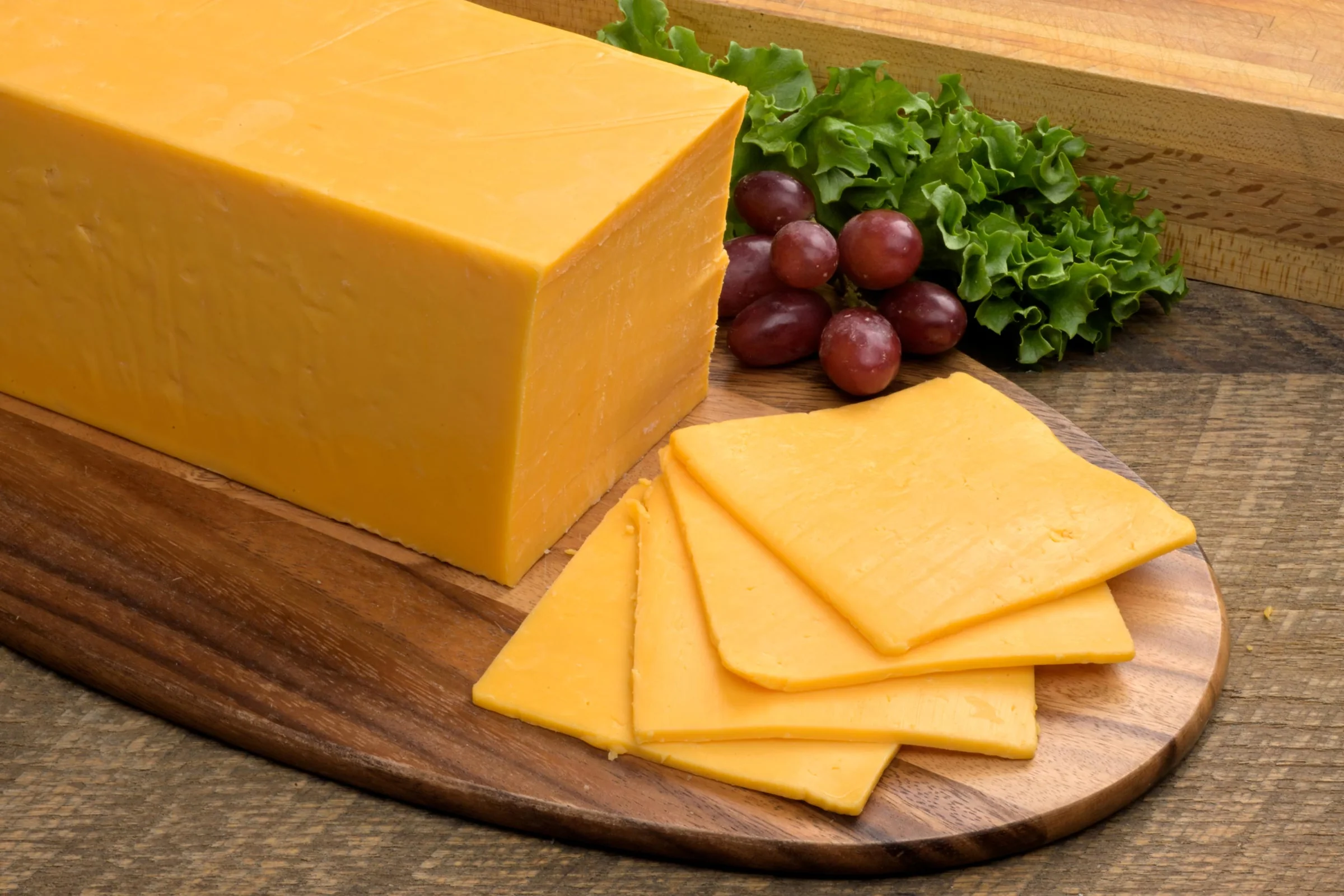
The U.S. Food and Drug Administration (FDA) has issued its highest-level warning for a dairy product sold in Michigan after determining that the product could pose a serious public health risk due to contamination with Listeria monocytogenes (Lm). The recall involves Charlevoix Cheese Company Mild Cheddar Cheese, produced by Boss Dairy Farms, based in Charlevoix, Michigan, which voluntarily withdrew 420 units of the product after identifying the potential contamination.
Listeria monocytogenes is a bacterium that can cause severe and sometimes fatal infections, particularly in vulnerable populations such as young children, the elderly, pregnant individuals, and those with weakened immune systems. The FDA classified this recall as a Class 1 event, which is the federal government’s most serious alert level, indicating a reasonable probability that consumption of the product could lead to serious adverse health consequences or death.
Details of the Recall
The recall was first reported by the FDA on December 10, 2025, and pertains to cheese packaged and sold in 8-ounce retail units. A total of 35 wholesale cases were affected, with 12 retail packages per case, totaling 420 individual units. Consumers are advised to check the product code UPC 8 50056-64205 7, which is printed on the packaging, to determine if the cheese they purchased is part of the recall.
According to public records, Boss Dairy Farms voluntarily initiated the recall on November 16, 2025, following internal testing that identified potential Listeria contamination in the cheddar cheese. The company’s management did not respond to requests for comment from NTD by the time of publication, leaving details about the source of contamination and any corrective measures largely unclear.
FDA’s Class 1 Recall: What It Means
A Class 1 recall is the FDA’s most serious designation and is reserved for situations where exposure to a product could reasonably result in serious injury or death. The agency issues such recalls out of an abundance of caution to prevent widespread harm to consumers. By comparison, a Class 2 recall involves products that may cause temporary or reversible health consequences, while a Class 3 recall is used for minor regulatory violations, such as labeling errors, that are unlikely to cause health issues.
Bryan Quoc Le, founder of Mendocino Food Consulting, explained the severity of Class 1 recalls: “Level 1 recalls are done out of an abundance of caution because the consumption of the product could cause serious health issues, or even death. It’s a necessary measure to protect the most vulnerable members of the public.”
The FDA’s warning emphasizes the need for immediate action. Consumers who have purchased the cheese are advised not to consume it and to dispose of it safely or return it to the place of purchase. This is particularly critical for populations at higher risk of developing severe infections.
Understanding Listeria Monocytogenes
Listeria monocytogenes is a pathogen of particular concern in ready-to-eat foods, including dairy products like cheese. Unlike many other bacteria, Listeria can survive and even grow in refrigerated conditions, making it especially dangerous in products that are stored for extended periods. Infections caused by Lm can be severe and sometimes life-threatening.
Symptoms of listeriosis, the illness caused by Listeria infection, can vary but often include fever, muscle aches, headache, stiff neck, confusion, loss of balance, and convulsions. Gastrointestinal symptoms, such as diarrhea or vomiting, may precede more severe manifestations. For pregnant individuals, Listeria infection can lead to miscarriage, stillbirth, or severe illness in newborns.
Historically, Listeria outbreaks have been associated with both processed and fresh dairy products, as well as produce and ready-to-eat meats. The bacteria are commonly found in soil, water, and vegetation and can enter the food supply through contaminated processing equipment or unsanitary handling.
The Broader Context of Foodborne Illness
This recall is part of a broader trend of increased vigilance in food safety. Experts attribute the rise in detected Listeria cases not necessarily to declining food safety standards but to advances in detection technology. New testing methods allow regulators and producers to identify contamination earlier and with greater precision, which can expose gaps in production and sanitation processes that might have previously gone unnoticed.
Eran Mizrahi, CEO of Source86, a global sourcing provider in the food industry, explained: “We are seeing more and more Listeria cases lately, and it’s not necessarily because food is less safe nowadays, but because there are new and better detection technologies. While this is good for consumers, it also exposes gaps in process control that companies must address immediately.”
Other Recent Listeria Recalls
The Charlevoix cheese recall comes amid several recent food safety actions related to Listeria contamination. Last month, multiple companies voluntarily recalled peach salsa products after detecting Listeria in packing facilities handling California-grown peaches. The affected products were distributed through Kroger stores in multiple states, highlighting the widespread nature of potential contamination events in fresh and processed foods.
These incidents underscore the importance of stringent food safety practices, proper sanitation, and adherence to federal regulations by food manufacturers and distributors. They also highlight the challenges regulators face in monitoring a complex food supply chain that spans local farms, national distribution networks, and international suppliers.
Implications for Consumers
For consumers, the recall emphasizes the critical need to check product codes and batch numbers before consuming dairy products, particularly soft cheeses and ready-to-eat items. While Charlevoix Cheese Company Mild Cheddar Cheese is a harder cheese, which can sometimes be less hospitable to bacteria than soft cheeses, Listeria remains a concern due to its resilience at refrigeration temperatures.
Health officials recommend that anyone who may have consumed the contaminated cheese monitor for symptoms of listeriosis, especially if they belong to high-risk groups. Individuals experiencing fever, muscle aches, gastrointestinal distress, or neurological symptoms should seek medical attention immediately. Pregnant individuals should be particularly vigilant and consult healthcare providers if exposure is suspected.
Industry Response and Public Health Measures
While Boss Dairy Farms has not issued a public statement beyond the FDA’s enforcement report, voluntary recalls are a standard industry response to potential contamination. Food safety experts stress that prompt recalls and transparency are essential for maintaining consumer trust and preventing widespread illness.
The FDA continues to investigate the circumstances surrounding the contamination and works closely with state and local authorities to ensure that recalled products are removed from shelves and that consumers are adequately informed. In cases like this, the agency may conduct follow-up inspections, review sanitation protocols, and require corrective actions from the manufacturer to prevent future incidents.
The Role of Regulatory Oversight
This recall illustrates the FDA’s ongoing role in protecting public health through rigorous oversight of food production and distribution. The agency’s recall classifications, inspection protocols, and public reporting mechanisms serve as critical tools in minimizing the impact of contaminated products.
Experts note that recalls also function as educational opportunities for both producers and consumers. By publicizing potential hazards and providing detailed product information, the FDA helps consumers make informed decisions and encourages producers to adhere to best practices for food safety.
Looking Ahead
As Boss Dairy Farms addresses the current recall, the incident serves as a reminder of the continuous vigilance required in food production. Consumers are advised to remain attentive to product labels, follow storage instructions carefully, and report any suspected contamination to local health authorities.
The Charlevoix Cheese Company Mild Cheddar Cheese recall is likely to prompt both producers and regulators to review processing and handling protocols, particularly in small and medium-sized dairy operations. Ensuring that products are free from harmful pathogens is essential not only for public health but also for maintaining confidence in locally produced and specialty food items.
Conclusion
The recall of Charlevoix Cheese Company Mild Cheddar Cheese by Boss Dairy Farms underscores the serious risks posed by Listeria monocytogenes in food products. With a Class 1 recall designation, the FDA is signaling that immediate action is necessary to prevent serious illness or death among consumers.
Public health officials continue to stress the importance of adhering to recall notices, monitoring for symptoms of listeriosis, and practicing safe food handling at home. At the same time, the dairy and broader food industries are reminded of their responsibility to maintain the highest standards of hygiene, sanitation, and quality control in their production processes.
This incident, along with other recent Listeria recalls, reflects both the challenges and the effectiveness of modern food safety systems. While contamination can never be completely eliminated, timely recalls, improved detection technology, and public awareness efforts help reduce the risk of widespread illness and reinforce trust in the nation’s food supply.
Consumers who may have purchased Charlevoix Cheese Company Mild Cheddar Cheese are urged to dispose of the product or return it to the point of purchase immediately and remain alert for any symptoms associated with Listeria infection, particularly if they belong to higher-risk groups.
The FDA continues to monitor the situation closely and will provide updates as more information becomes available, reinforcing its commitment to protecting public health and preventing outbreaks of foodborne illness.

Emily Johnson is a critically acclaimed essayist and novelist known for her thought-provoking works centered on feminism, women’s rights, and modern relationships. Born and raised in Portland, Oregon, Emily grew up with a deep love of books, often spending her afternoons at her local library. She went on to study literature and gender studies at UCLA, where she became deeply involved in activism and began publishing essays in campus journals. Her debut essay collection, Voices Unbound, struck a chord with readers nationwide for its fearless exploration of gender dynamics, identity, and the challenges faced by women in contemporary society. Emily later transitioned into fiction, writing novels that balance compelling storytelling with social commentary. Her protagonists are often strong, multidimensional women navigating love, ambition, and the struggles of everyday life, making her a favorite among readers who crave authentic, relatable narratives. Critics praise her ability to merge personal intimacy with universal themes. Off the page, Emily is an advocate for women in publishing, leading workshops that encourage young female writers to embrace their voices. She lives in Seattle with her partner and two rescue cats, where she continues to write, teach, and inspire a new generation of storytellers.