The film world is mourning the loss of a familiar and unforgettable face—an actor whose intense screen presence and unsettling performances left a permanent mark on some of the most iconic films of the 1990s. Known for portraying chilling antagonists and complex, troubled characters, he carved out a reputation as one of Hollywood’s most distinctive character actors, earning admiration from directors, co-stars, and audiences alike.
News of his death emerged Friday, sending shockwaves through the entertainment industry and among fans who remembered his performances as raw, fearless, and deeply committed. He died at his home in New York City at the age of 60, according to confirmation from his longtime manager. At the time of publication, the cause of death had not been publicly disclosed.
Throughout his career, he was frequently cast in roles that demanded intensity—figures operating on the darker edges of society, villains whose menace felt disturbingly real rather than exaggerated. His ability to embody such characters made him memorable even in brief screen appearances, and his performances often lingered long after the credits rolled.
Colleagues and industry insiders described him as the rare actor who could command attention without ever seeking the spotlight. Off screen, those who knew him personally spoke of a man vastly different from the unsettling figures he portrayed on film—soft-spoken, generous, and deeply committed to his craft.
“He was just a terrific guy,” his manager said in a statement confirming the death. “Arguably one of the greatest character actors on the planet. He worked with everybody.”
Born in Montclair, New Jersey, he gravitated toward acting early, drawn to the psychological complexity and emotional risk that came with performance. Unlike many actors who chase leading-man status, he found his footing in character-driven roles—often morally ambiguous, frequently disturbing, and always demanding.
His early career gained momentum in the early 1990s with independent films that showcased his willingness to explore deeply flawed and psychologically fractured characters. Those performances quickly attracted the attention of influential filmmakers looking for actors capable of bringing authenticity and danger to the screen.
That growing reputation culminated in 1994, a year that would define his legacy. He delivered two performances that permanently cemented his place in cinematic history—each vastly different in tone, yet united by his unmistakable intensity.
It is at this point in his story that the name most audiences associate with those indelible roles must finally be said.
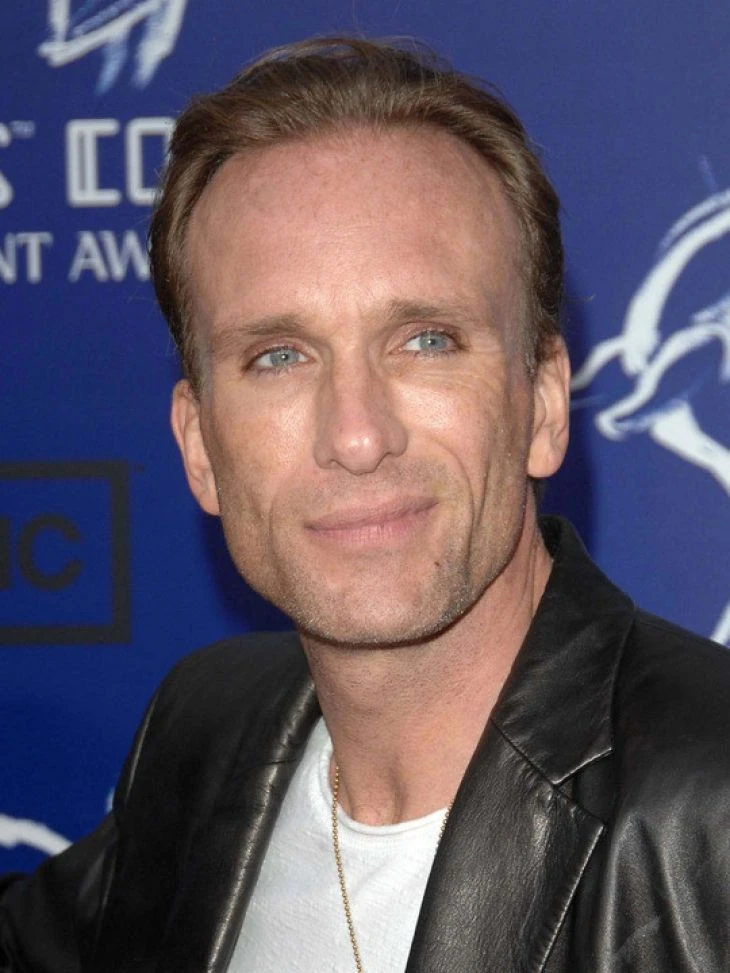
Peter Greene rose to international recognition for his portrayal of Zed, the sadistic villain in Quentin Tarantino’s “Pulp Fiction.” Though not a lead character, the role became one of the film’s most disturbing and talked-about elements, contributing to the movie’s lasting cultural impact. His performance was chilling, controlled, and unforgettable—earning him a permanent place in one of the most celebrated films of modern cinema.
That same year, he appeared as another iconic antagonist, this time in the wildly different tonal landscape of “The Mask.” Opposite Jim Carrey and Cameron Diaz, Greene played Dorian Tyrell, a ruthless crime boss whose menace grounded the film’s otherwise cartoonish energy. The role demonstrated his versatility—proving he could hold his own in both gritty independent films and mainstream studio productions.
Despite working alongside some of Hollywood’s biggest stars and directors, Greene never sought celebrity status. Instead, he remained dedicated to the craft itself, continuing to choose roles that challenged him emotionally and psychologically rather than those that promised fame.
Over the years, he built an extensive filmography that included crime dramas, psychological thrillers, and independent features. His earlier performances in “Laws of Gravity” (1992) and “Clean, Shaven” (1993) were especially praised for their depth and realism, with critics noting his ability to convey inner turmoil with minimal dialogue.
Industry observers often described him as an actor’s actor—someone respected within creative circles even if he never became a household name. Directors valued his commitment, and co-stars admired his fearlessness in approaching difficult material.
Yet for all the darkness he brought to the screen, those close to him consistently emphasized his kindness off camera. Friends described him as humble, approachable, and deeply loyal. His manager, who had known him for more than a decade, spoke emotionally about their friendship.
“We’ve been friends for over a decade,” he said. “Just the nicest man.”
In recent years, Greene remained creatively active. At the time of his death, he was reportedly involved in two projects, including work on a documentary examining the federal government’s withdrawal of funding from the U.S. Agency for International Development. The project reflected his growing interest in socially and politically relevant storytelling later in life.
Though his on-screen appearances became less frequent over time, his influence never faded. Younger actors often cited his performances as examples of how character work could elevate an entire film. His portrayals demonstrated that even limited screen time could leave a lasting impression when handled with authenticity and commitment.
Fans revisiting his work in the wake of his passing have noted how modern many of his performances still feel—unpolished in the best sense, free of artifice, and grounded in emotional truth. In an era increasingly dominated by spectacle, his work stands as a reminder of the power of character-driven storytelling.
Greene’s death marks the loss of a performer who thrived in the margins of Hollywood, bringing depth to characters others might have played as caricatures. He had an uncanny ability to make audiences uncomfortable, not through exaggeration, but through realism—a quality that made his villains feel frighteningly plausible.
As tributes continue to pour in, his legacy is being reassessed not just through the lens of his most famous roles, but through the body of work he left behind. It is a legacy defined not by fame, but by impact.
In the end, Peter Greene will be remembered as a singular presence on screen—an actor who understood that the most powerful performances often come from the shadows, and that even the darkest characters can reveal profound truths about human nature.