The U.S. Treasury Department has provided new clarity on when Americans may receive sizable household refunds under a recently enacted economic overhaul, outlining a timeline that places payments in early 2026. The announcement comes at a politically sensitive moment for the White House, as public confidence in President Donald Trump’s handling of the economy shows signs of decline ahead of the midterm elections.
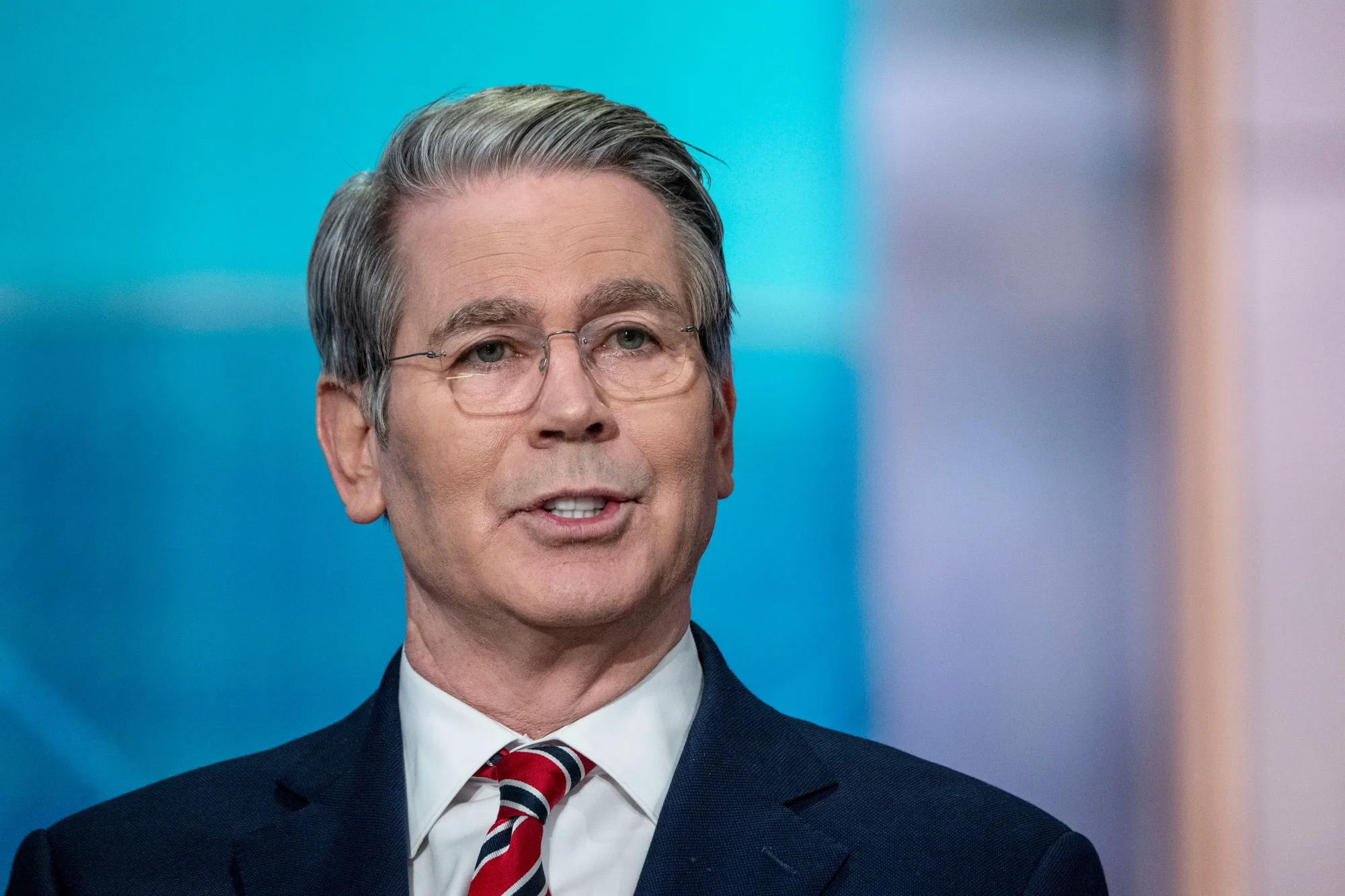
Treasury Secretary Scott Bessent said this week that the federal government expects to issue between $100 billion and $150 billion in refunds to households across the country as part of the administration’s sweeping tax and economic reform package. Depending on eligibility and household circumstances, individual payments could range from roughly $1,000 to as much as $2,000.
The refunds are a key component of the One Big Beautiful Bill Act, a landmark piece of legislation that President Trump has championed as the cornerstone of his second-term economic agenda. The bill narrowly passed the House of Representatives by a 218–214 vote and was signed into law on July 4, underscoring both its political significance and the deep divisions surrounding it.
Refunds Expected in Early 2026
Speaking publicly about the measure, Bessent explained that while the refunds are substantial, Americans should not expect to see checks immediately. According to current Treasury projections, the payments are expected to be distributed during the first quarter of 2026.
“I think we’re going to see $100 to $150 billion of refunds,” Bessent said, adding that the total amount would likely translate into payments of “between $1,000 and $2,000 per household.” Treasury officials said the timeline reflects the logistical and administrative challenges of implementing the new law, including updates to tax systems and coordination with the Internal Revenue Service.
The department has not yet released detailed eligibility criteria, though officials indicated that income levels, filing status, and prior tax liabilities will likely play a role in determining payment amounts. More guidance is expected in the coming months as federal agencies finalize implementation rules.
A Central Pillar of Trump’s Economic Agenda
The refund program sits alongside sweeping tax cuts included in the legislation, which the administration argues will stimulate economic growth, increase household purchasing power, and counteract financial pressures faced by many Americans. At the same time, the bill aligns with the president’s broader trade strategy, which has included aggressive tariffs on foreign imports.
Those tariffs have had mixed effects. Supporters say they protect domestic industries and reduce reliance on overseas supply chains, while critics argue they have contributed to higher prices for consumers and injected uncertainty into global markets. The administration has framed the refunds as one way to help households adjust to the broader economic changes underway.
President Trump has repeatedly described the legislation in sweeping terms, portraying it as a fundamental shift in the country’s economic direction. In previous remarks, he called the bill a “declaration of independence” from what he described as years of overtaxation, excessive regulation, and economic stagnation. He has also tied the law to his administration’s broader efforts on immigration enforcement and government restructuring.
Political Stakes and Public Opinion
The Treasury secretary’s announcement arrives at a time when polling suggests the administration faces challenges in public perception, particularly on economic issues. A recent survey conducted by the Associated Press-NORC Center for Public Affairs Research found that only 31 percent of U.S. adults approve of Trump’s handling of the economy. That figure represents a notable decline from March, when approval stood at 40 percent.
Economic confidence has become a central concern as voters weigh rising costs, interest rates, and broader financial uncertainty. While the administration points to job creation and tax relief as signs of success, critics argue that tariff-related price increases and uneven economic growth have undercut those gains.
Trump has also seen declining approval on immigration, an area that previously ranked among his strongest issues. According to the same poll, approval of his handling of immigration fell from 49 percent earlier in the year to 38 percent, reflecting growing voter ambivalence even on traditionally supportive ground.
Refunds as Economic and Political Signal
Analysts note that the refund payments could serve both economic and political purposes. From a policy perspective, the influx of cash could provide a short-term boost to household spending, particularly for middle- and lower-income families. Economists caution, however, that the long-term effects will depend on broader fiscal conditions, inflation trends, and how the refunds are funded.
Politically, the refunds may help the administration reinforce its argument that its policies deliver tangible benefits to ordinary Americans. With midterm elections approaching, the promise of sizable checks—albeit delayed until 2026—offers a concrete talking point for Republican lawmakers defending the legislation.
Opponents, however, have questioned whether the refunds will arrive soon enough to ease current economic pressures. Some Democrats argue that the bill prioritizes corporate tax relief and trade confrontation over immediate consumer needs, while pointing to the delayed timeline as evidence that the benefits may be overstated.
Implementation Challenges Ahead
Treasury officials acknowledge that rolling out the refund program will be complex. Beyond determining eligibility, the government must coordinate payment methods, prevent fraud, and ensure accurate distribution. Lessons from previous large-scale payment programs, such as pandemic-era stimulus checks, are expected to inform the process.
Bessent emphasized that the department aims to balance speed with accuracy, noting that errors or delays could undermine public confidence. He said additional updates would be provided as systems are finalized and implementation moves forward.
Looking Forward
As the administration works to implement the One Big Beautiful Bill Act, attention will remain focused on whether its promised benefits materialize and how voters respond. The refund program represents one of the most visible elements of the law, but it exists within a broader framework of tax cuts, tariffs, and regulatory changes that will shape the U.S. economy in the years ahead.
For now, Americans have a clearer sense of when to expect potential refunds—but also face ongoing questions about the broader economic outlook. With political pressure mounting and public opinion divided, the success of the program may ultimately be judged not only by the size of the checks, but by whether they restore confidence in the administration’s economic vision.