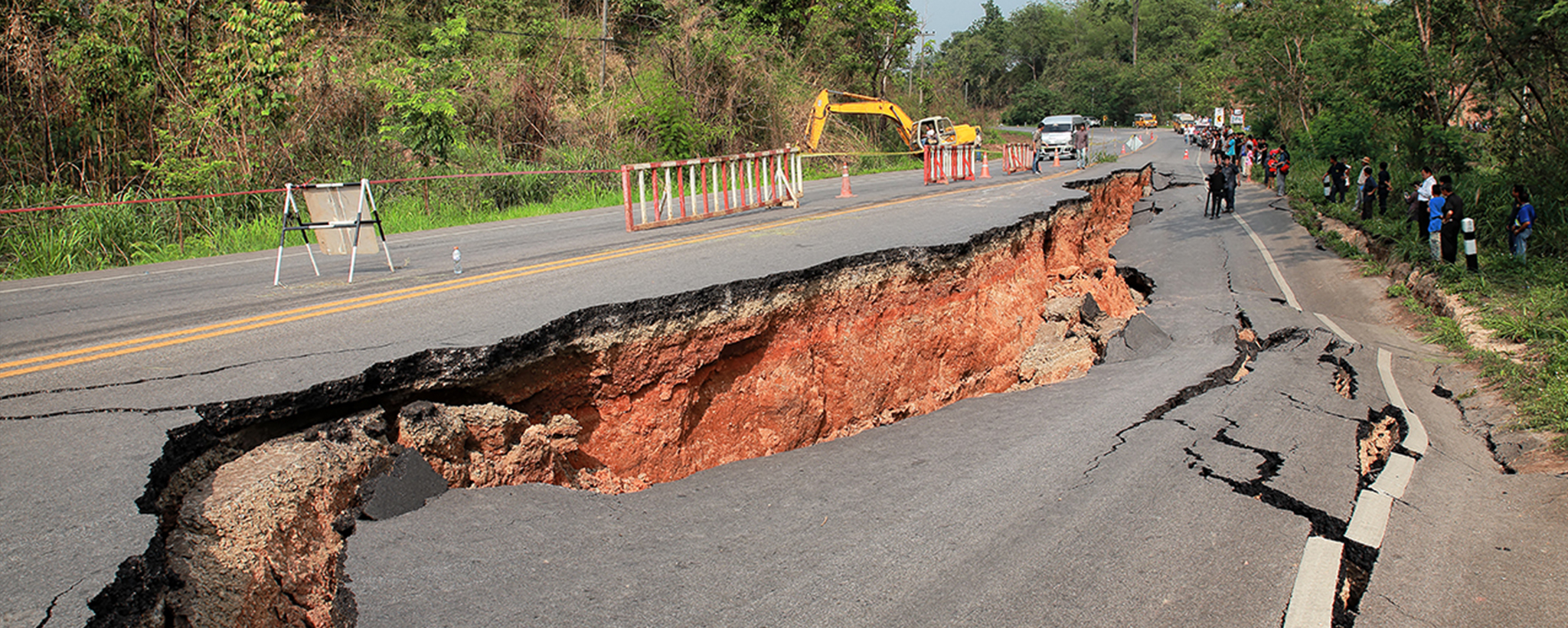
Southern California experienced a sudden cluster of earthquakes on Thursday, jolting residents less than 50 miles from the bustling metropolis of Los Angeles. The swarm, centered near the small city of Fillmore, included 19 minor tremors, with the strongest reaching a magnitude of 3.3, according to the U.S. Geological Survey (USGS). While there have been no reports of injuries or significant property damage, the events serve as a stark reminder of the region’s persistent seismic activity and the risks posed to millions of residents.
The first tremor of the day occurred at 12:33 p.m. ET, marking the beginning of a two-hour period during which a total of 19 quakes shook the area. Six of these quakes, registering between 2.5 and 3.3 in magnitude, struck in rapid succession within a 10-minute window starting at 1:21 p.m. Minor earthquakes of this size are typically felt across several miles but rarely cause structural damage beyond dislodged objects or minor cracks in walls.
According to USGS seismologist Dr. Laura Sanchez, “Swarm events like the one today are not uncommon in California, especially along fault zones. While they’re often minor in magnitude, they serve as reminders that the Earth’s crust in this region is highly active and under constant stress.” She added that most swarms dissipate without escalating into larger, damaging quakes, but continued monitoring is essential to track any potential shifts.
Residents closest to the epicenters near Fillmore reported feeling brief but noticeable shaking, with some describing dishes rattling and small objects falling from shelves. The tremors were also lightly felt in parts of West Hollywood, demonstrating how seismic waves can propagate across the Los Angeles Basin.
Historical Context and Recent Seismic Activity
This swarm is the latest in a series of minor earthquake outbreaks across California. Earlier this month, the Bay Area experienced seven tremors stronger than magnitude 2.5, rattling cities including San Francisco, Oakland, and San Jose. In the days preceding Thanksgiving, the region endured three consecutive days of earthquake swarms, with over a dozen minor quakes recorded.
California, located along the boundary between the Pacific and North American tectonic plates, is particularly prone to earthquakes. The San Andreas Fault system, stretching more than 700 miles, is the most well-known source of seismic activity, but numerous smaller faults crisscross the state, creating zones where minor swarms frequently occur.
Dr. Sanchez explained, “Earthquake swarms typically occur along smaller, less stable fault segments. These swarms are characterized by multiple small quakes in a short period rather than a single large earthquake. While swarms themselves usually do not pose significant danger, they can indicate underlying stress accumulation that may eventually trigger more substantial events.”
Implications for Los Angeles and Surrounding Communities
Although Thursday’s swarm was minor, its proximity to Los Angeles—home to nearly four million people—underscores the vulnerability of the region. Urban infrastructure, high-density housing, and major transportation corridors could be affected by larger seismic events. City officials emphasize preparedness as a key component of public safety.
The Los Angeles County Office of Emergency Management advises residents to keep emergency kits, develop family evacuation plans, and ensure buildings are retrofitted to withstand earthquakes. “Even minor tremors should remind residents to be prepared,” said spokesperson Angela Moreno. “Earthquake swarms are part of the natural seismic cycle, and while they rarely escalate, preparation is the best defense.”
Understanding Earthquake Swarms
An earthquake swarm is defined as a sequence of earthquakes occurring in a localized area over a short period, without a single mainshock dominating the activity. These events differ from typical aftershock sequences, which follow a larger earthquake. Swarms can last for hours, days, or even weeks and can include hundreds of minor tremors.
Geologists continue to study why swarms occur. Factors may include magma movement beneath the Earth’s surface, stress transfer between faults, and fluid pressure changes within fault zones. In California, most swarms are linked to tectonic stress along faults rather than volcanic activity.
Impact on Local Communities and Businesses
While no major damage has been reported from Thursday’s swarm, residents in Fillmore and surrounding areas expressed concern over repeated seismic events. Local businesses noted the psychological impact, as repeated tremors, even minor ones, can create anxiety and disrupt daily activities.
Mary Delgado, owner of a small café in Fillmore, described the shaking: “It felt like a rumble under our feet. Nothing broke, but it definitely got everyone’s attention. People are starting to talk about stocking up on supplies and checking their earthquake kits again.”
Preparedness Tips for Earthquake-Prone Areas
Experts recommend that residents in earthquake-prone regions take proactive measures to mitigate risk, regardless of whether swarms or larger quakes occur:
-
Emergency Kits: Include water, non-perishable food, first-aid supplies, flashlights, batteries, and medications.
-
Secure Furniture: Anchor heavy furniture and appliances to walls to prevent tipping during tremors.
-
Evacuation Plans: Establish a family communication plan and identify safe spots in each room, such as under sturdy tables or against interior walls.
-
Building Safety: Ensure homes and offices are retrofitted according to seismic safety codes.
-
Stay Informed: Follow updates from USGS, local authorities, and emergency management offices.
Monitoring and Scientific Response
The USGS continues to monitor the swarm closely. Seismologists use dense networks of seismometers, GPS data, and satellite imagery to detect shifts in the Earth’s crust. These tools allow scientists to track the location, magnitude, and frequency of tremors, providing critical data to predict potential hazards.
Dr. Sanchez emphasized the importance of this ongoing monitoring: “Each swarm provides valuable data about how stress accumulates and releases along faults. This information is crucial for improving earthquake forecasting and public safety measures.”
Lessons from Previous Swarms
Past earthquake swarms in California have generally remained minor, but some have been precursors to larger seismic events. For example, swarms along the Calaveras Fault and the Eastern Sierra have occasionally preceded moderate quakes. While predicting exact timing remains impossible, scientists continue to study patterns to understand stress distribution and fault behavior.
Residents are reminded that, even with minor quakes, there is no substitute for personal preparedness and public awareness. Earthquake-resistant building codes, community drills, and emergency supplies remain the most effective tools for minimizing risk.
Authorities Urge Calm but Caution
Authorities stress that while Thursday’s swarm caused no immediate harm, vigilance remains essential. Local governments and emergency services continue to monitor infrastructure, schools, and critical facilities for any signs of damage.
“These tremors are part of California’s seismic reality,” said Moreno. “They serve as a reminder that everyone, from residents to policymakers, needs to remain prepared.”
Looking Ahead
The USGS predicts that minor aftershocks may continue for days following the swarm. Residents are advised to remain alert but not panic, as the likelihood of a sudden, larger earthquake remains low, though not impossible. Continuous monitoring, coupled with preparedness, is key to reducing risks associated with California’s tectonic activity.
As the holiday season approaches, officials urge households and businesses to revisit earthquake plans, check emergency supplies, and review safety measures. With swarms becoming increasingly common in multiple regions across the state, awareness and preparation are essential to safeguard communities.
Key Takeaways:
-
19 minor earthquakes struck near Fillmore, California, Thursday, with magnitudes ranging from 1.1 to 3.3.
-
Six quakes occurred within a 10-minute window, the strongest measuring 3.3.
-
Tremors were felt across multiple communities, including West Hollywood.
-
No injuries or major property damage reported.
-
California is seismically active, with repeated swarms occurring statewide.
-
Residents are encouraged to maintain emergency kits, secure furniture, and review evacuation plans.
-
The USGS continues to monitor seismic activity closely for potential aftershocks.
Thursday’s swarm underscores the dynamic nature of California’s geology, reminding millions of residents that earthquakes are an ever-present risk. While the quakes were minor, officials emphasize that preparation, awareness, and proper safety measures are critical for minimizing harm in the event of stronger seismic events in the future.

Emily Johnson is a critically acclaimed essayist and novelist known for her thought-provoking works centered on feminism, women’s rights, and modern relationships. Born and raised in Portland, Oregon, Emily grew up with a deep love of books, often spending her afternoons at her local library. She went on to study literature and gender studies at UCLA, where she became deeply involved in activism and began publishing essays in campus journals. Her debut essay collection, Voices Unbound, struck a chord with readers nationwide for its fearless exploration of gender dynamics, identity, and the challenges faced by women in contemporary society. Emily later transitioned into fiction, writing novels that balance compelling storytelling with social commentary. Her protagonists are often strong, multidimensional women navigating love, ambition, and the struggles of everyday life, making her a favorite among readers who crave authentic, relatable narratives. Critics praise her ability to merge personal intimacy with universal themes. Off the page, Emily is an advocate for women in publishing, leading workshops that encourage young female writers to embrace their voices. She lives in Seattle with her partner and two rescue cats, where she continues to write, teach, and inspire a new generation of storytellers.