


President Donald Trump recently captured widespread attention when he revealed that Americans could receive $2,000 dividend checks funded by U.S. government tariff revenues. The announcement, made during a December 2 cabinet meeting, has sparked nationwide speculation about eligibility, distribution timelines, and the broader economic implications of the plan.
While details remain limited, the proposal has already drawn both excitement and scrutiny from citizens, economists, and lawmakers alike. According to Trump, the initiative is intended to return some of the revenue collected from tariffs directly to taxpayers, while simultaneously addressing national debt concerns.
Trump’s Announcement at the Cabinet Meeting
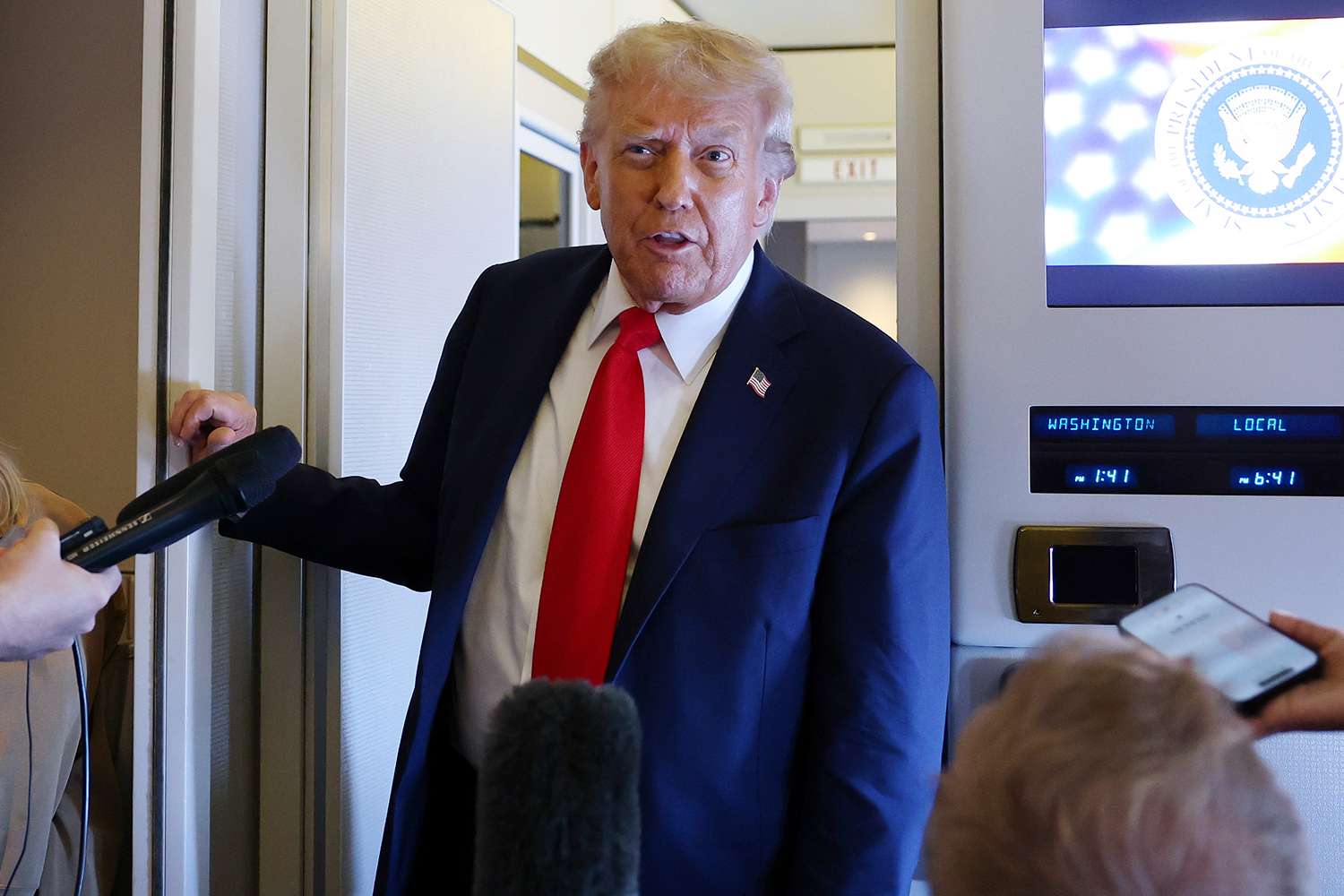
During the cabinet meeting, Trump highlighted the substantial revenue generated through tariffs, claiming that the United States has collected “trillions of dollars.” He emphasized that a portion of this revenue would be returned to Americans in the form of dividend checks, describing the payments as part of a broader effort to reward taxpayers while reducing national debt.
“Next year is projected to be the largest tax refund season ever,” Trump said. “We’re going to be giving back refunds out of the tariffs… a nice dividend to the people in addition to reducing debt. We inherited a lot of debt, but it’s peanuts compared to the kind of numbers we’re talking about. So, we’re going to be making a dividend to the people.”
The President’s remarks indicate that the checks are expected to be distributed in 2026, though the exact timing and method of payment remain uncertain.
Trump has repeatedly referenced the $2,000 figure in speeches and interviews, emphasizing that the initiative is part of his ongoing effort to provide financial relief directly to Americans. However, many observers have noted that the plan requires legislative approval, leaving questions about its feasibility.
Eligibility: Who Qualifies for the $2,000 Check
One of the most frequently asked questions is who will qualify for the tariff dividend. According to SSA expert and social media commentator Blind to Billionaire, the eligibility criteria are income-based.
For individuals, eligibility is set at an annual income of $75,000 or less. For married couples, the combined income threshold is $150,000 or less.
“It is based on your income—nothing else,” the expert explained. “If your income is below $75,000 as an individual, you are likely eligible. Married couples can make up to $150,000.”
The focus on income suggests that employment type, profession, or other factors will not disqualify participants. Anyone who meets the income requirement could potentially receive the full $2,000 check.
This income-based approach is consistent with previous government programs, such as stimulus payments issued during earlier economic relief efforts, and ensures that the funds target middle- and lower-income households.
How the Tariff Dividend Could Work
Trump’s proposal relies on revenue collected from tariffs imposed on imported goods. Tariffs function as taxes on imported products, generating income for the federal government while sometimes discouraging imports to protect domestic industries.
Trump described the plan as a dual-benefit initiative: it allows the government to provide direct financial relief to citizens while also addressing fiscal deficits.
“We’re going to be giving back refunds out of the tariffs,” he said. “We’re also going to be reducing debt. The tariffs allow us to give a dividend.”
This approach reflects Trump’s broader economic philosophy during his presidency, which focused on trade policies, tariff revenue, and tax cuts as tools to stimulate domestic growth and support American households.
Questions and Uncertainties About Timing and Distribution
Despite the announcement, key details remain unclear. Trump’s cabinet meeting remarks indicate that the checks will not be available until 2026, but no official legislation has yet been proposed, and no documents have been released detailing the distribution process.
Treasury Secretary Scott Bessent weighed in on the plan, adding to the uncertainty. When asked whether the $2,000 checks are guaranteed, Bessent responded cautiously: “We will see… We need legislation for that.”
This statement underscores a major hurdle. While Trump has promised the dividend, Congress must pass appropriate legislation to authorize the program, allocate funding, and determine the mechanics of payment. Until then, the initiative remains a proposal rather than an actionable policy.
Experts also note that additional details will need to be clarified, such as whether payments will be issued as direct deposits, checks, or through other methods. Administrative logistics, eligibility verification, and timing are all factors that will need to be addressed once the legislative framework is in place.
Economic and Political Implications
The promise of $2,000 dividend checks carries significant economic and political implications. Financially, distributing the checks could provide temporary relief for households, boost consumer spending, and stimulate economic activity.
Analysts note, however, that the scale of the initiative will depend on the number of qualifying Americans and the total revenue available from tariffs. While Trump has described tariff revenue as “trillions of dollars,” economists caution that some of that revenue is already allocated for federal programs, debt servicing, or contingency funds.
Politically, the announcement is likely to resonate with middle-class voters, particularly those who benefited from earlier economic relief measures. It may also play a role in shaping public opinion ahead of future elections, as promises of direct financial benefits tend to attract widespread attention.
At the same time, critics may raise concerns about the plan’s feasibility, the potential impact on federal budgeting, and the need for congressional approval. These debates could delay implementation or require modifications before the checks are actually issued.
Past Precedents: Stimulus and Refund Programs
Trump’s proposed dividend resembles past government programs, such as the 2020 and 2021 COVID-19 economic stimulus payments. During those initiatives, the federal government issued checks to qualifying Americans to offset income losses, support household budgets, and stimulate the economy.
Like stimulus payments, the tariff dividend would be targeted primarily at individuals and families below certain income thresholds. The stated thresholds—$75,000 for individuals and $150,000 for married couples—mirror approaches used during previous relief programs, which were designed to ensure that benefits reached those most likely to need them.
By drawing on tariff revenue, the plan represents a novel source of funding, distinct from conventional federal appropriations or tax-based relief.
Trump’s Broader Economic Strategy
The tariff dividend fits into a broader economic strategy that Trump has emphasized throughout his political career. His approach prioritizes trade policy, tariffs, and leveraging government revenue to directly benefit American citizens while reducing national debt.
During the cabinet meeting, Trump framed the dividend as both a financial reward and a demonstration of fiscal responsibility. “We inherited a lot of debt, but it’s peanuts compared to the numbers we’re talking about,” he said. “So we’re going to make a dividend to the people.”
He also suggested that the plan could have ancillary benefits, such as lowering income taxes for qualifying Americans. By using tariff revenue as a source for direct payments, the administration aims to create a dual mechanism that stimulates household finances and encourages fiscal prudence.
Next Steps and Legislative Hurdles
Despite the excitement surrounding the announcement, multiple steps remain before the checks can become a reality:
-
Legislation: Congress must pass laws authorizing the distribution of tariff revenue as dividend checks. Without legal approval, the plan cannot move forward.
-
Administrative Planning: Federal agencies will need to design mechanisms to identify eligible recipients, verify income, and deliver payments efficiently.
-
Budget Considerations: While tariffs generate significant revenue, allocating funds for direct payments may compete with other federal obligations, including debt service, social programs, and infrastructure spending.
-
Public Communication: The government will need to clearly communicate eligibility requirements, timelines, and instructions for receiving payments to ensure that citizens are properly informed.
Treasury Secretary Bessent’s remarks—“We will see… We need legislation for that”—highlight that these steps are ongoing and that no definitive timeline can yet be confirmed.
Public Reaction
Since Trump’s announcement, reactions from the public have been mixed. Many middle-class and lower-income Americans have expressed excitement at the prospect of receiving $2,000 in additional income. Social media platforms have been filled with discussions about potential eligibility, strategies for maximizing refunds, and speculation about when the payments will arrive.
Economists, meanwhile, have approached the plan cautiously, noting that while direct payments could provide a short-term boost to household finances, the long-term economic effects will depend on the scale of distribution, timing, and overall fiscal management.
Political analysts suggest that Trump’s announcement may also serve a strategic purpose by reinforcing his connection with voters who value direct economic benefits. Promises of tangible financial assistance often resonate strongly with the public, particularly when tied to a source of revenue that is perceived as originating from foreign trade rather than domestic taxation.
Conclusion
President Trump’s proposal to provide $2,000 tariff dividend checks represents an ambitious plan to return revenue to American households while addressing fiscal concerns. Though the announcement has generated excitement, significant details remain unresolved, and the initiative is contingent on congressional approval.
The plan’s income-based eligibility criteria—$75,000 for individuals and $150,000 for married couples—ensure that the benefit would primarily reach middle- and lower-income households. However, questions about timing, administration, and long-term economic impact remain.
As Trump’s cabinet and Treasury officials continue discussions, Americans are left awaiting more concrete information. The proposed payments, currently targeted for 2026, could become a significant financial boost for millions—but their ultimate realization will depend on legislative action, administrative planning, and careful management of federal funds.
Until then, the $2,000 checks remain a promised benefit, representing both the potential of tariff-funded financial relief and the complexities of turning presidential proposals into actionable policy.

Emily Johnson is a critically acclaimed essayist and novelist known for her thought-provoking works centered on feminism, women’s rights, and modern relationships. Born and raised in Portland, Oregon, Emily grew up with a deep love of books, often spending her afternoons at her local library. She went on to study literature and gender studies at UCLA, where she became deeply involved in activism and began publishing essays in campus journals. Her debut essay collection, Voices Unbound, struck a chord with readers nationwide for its fearless exploration of gender dynamics, identity, and the challenges faced by women in contemporary society. Emily later transitioned into fiction, writing novels that balance compelling storytelling with social commentary. Her protagonists are often strong, multidimensional women navigating love, ambition, and the struggles of everyday life, making her a favorite among readers who crave authentic, relatable narratives. Critics praise her ability to merge personal intimacy with universal themes. Off the page, Emily is an advocate for women in publishing, leading workshops that encourage young female writers to embrace their voices. She lives in Seattle with her partner and two rescue cats, where she continues to write, teach, and inspire a new generation of storytellers.