


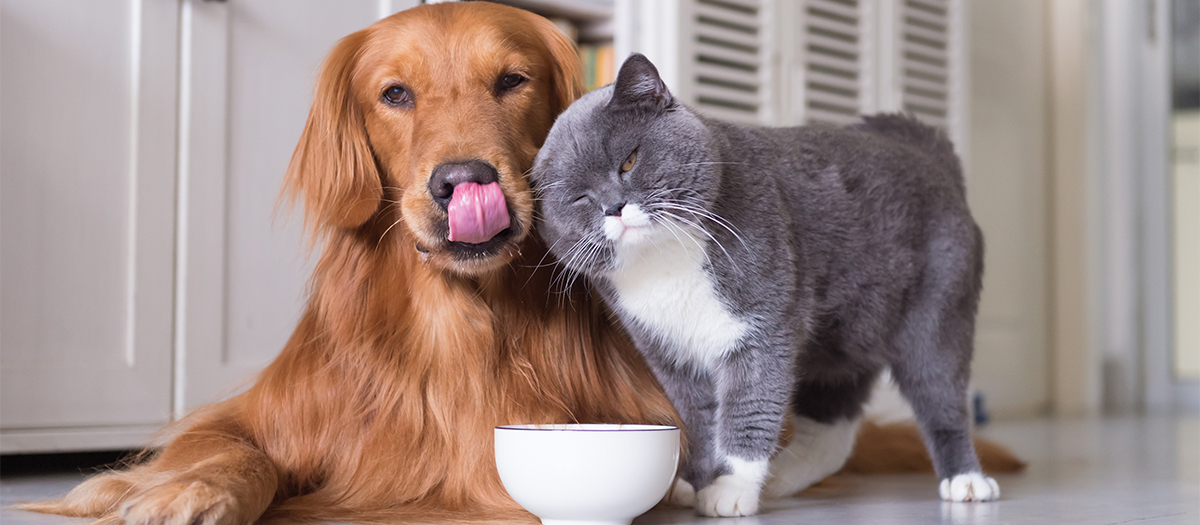
The U.S. Food and Drug Administration (FDA) has announced a significant recall of pet food sold across 14 states and internationally, citing concerns about potential contamination. The recall follows complaints about foreign objects found in certain batches, prompting swift action from both the company and federal regulators.
According to the FDA, the recall affects cooked frozen dog food distributed regionally to neighborhood pet stores in multiple states, including Illinois, Wisconsin, Texas, Arkansas, Mississippi, Oklahoma, Louisiana, California, Nevada, Arizona, Colorado, Oregon, Washington, and Alaska, as well as Ontario, Canada.
Consumers are being urged to exercise caution and to monitor pets for any signs of adverse reactions. Veterinarians advise that ingestion of foreign materials, such as plastic or other contaminants, can cause a range of health issues in dogs of all sizes. Symptoms may include vomiting, lethargy, loss of appetite, or general stomach discomfort.
The FDA noted that the recall was initiated after multiple complaints of foreign material contamination were received. “The recall was initiated after receiving complaints of plastic contamination,” the agency said in a statement. “We have identified the error, and in addition to our existing safety process, we have put corrective actions in place to prevent this from happening again.”
Pet owners are being advised to immediately stop feeding the affected products to their dogs and to consult their veterinarians if their pets have consumed any of the recalled food and are displaying symptoms.
Fromm Family Foods, a company based in Mequon, Wisconsin, confirmed that the recall involves 300 cases of its Bonnihill Farms BeefiBowls Beef Recipe. The brand director, Bryan Nieman, said the decision to pull the products was made “out of an abundance of caution and in the interest of pet safety” after foreign objects were identified in three separate packages.
The recalled items come in 16-ounce tube-shaped packages, often referred to as chubs, and are stamped with expiration dates of December 25, 2026, along with UPC 072705135004. Nieman emphasized that while no injuries or illnesses have been reported, the company is taking immediate steps to ensure the safety of pets and prevent similar incidents in the future.
“This is a proactive step,” Nieman said. “We hold ourselves to a high standard, and anything that falls short of that deserves immediate attention.”
The recall highlights ongoing concerns about pet food safety in the United States. Earlier this year, in August, the FDA announced a separate recall affecting products distributed in New York, Illinois, South Carolina, Florida, Kansas, California, and Arizona. In that case, the recall was prompted by the potential presence of Salmonella and Listeria monocytogenes in various dog and cat foods sold by Viva Raw of Charlotte, North Carolina.
The earlier recall involved multiple products, including Viva Ground Beef for Dogs, Viva Beef & Turkey for Puppies, Viva Ground Chicken for Dogs, Viva Chunked Chicken for Dogs, Viva Chicken for Cats, and Viva Pure Chicken. The products were distributed in frozen 1-pound bricks in clear vacuum packaging, with specific lot numbers printed on the top for identification.
Experts say that both recalls serve as a reminder for pet owners to remain vigilant about the foods they provide to their animals. Even frozen and packaged products, which are generally considered safe, can occasionally be compromised due to processing errors or lapses in quality control.
The FDA advises that pet owners check the packaging of products in their homes against the recalled items and to return or safely dispose of any affected food. If pets have already consumed the contaminated product and are exhibiting symptoms, veterinarians recommend seeking immediate care.
Food recalls of this nature can be distressing for pet owners, particularly when contamination is involved. While injuries or illnesses have not been reported in this most recent recall, ingestion of foreign objects can result in serious complications if not addressed promptly.
Fromm Family Foods has said it is taking further steps to prevent similar incidents, including additional inspections and safeguards within its production processes. The company also encourages pet owners with questions or concerns to contact their customer service line for guidance on returns or replacements.
The FDA’s announcement underlines the agency’s ongoing role in monitoring food safety, including products for animals. By issuing timely recalls and public advisories, the agency seeks to protect pets and ensure that manufacturers maintain rigorous quality standards.
Pet food recalls have become increasingly common in recent years, driven by stricter regulatory oversight, improved testing methods, and heightened public awareness. Many recalls are voluntary, initiated by companies seeking to prevent potential harm, and typically involve collaboration with the FDA to ensure consumer safety.
Veterinarians emphasize that while recalls can be alarming, swift action often prevents serious incidents. “The key is for pet owners to stay informed and act quickly if a product is identified as problematic,” said Dr. Karen Liu, a veterinarian based in Chicago. “Prompt removal of contaminated food and consultation with a vet can prevent serious health outcomes for dogs and cats.”
For this latest recall, the FDA continues to monitor reports and has pledged to provide updates as necessary. Pet owners are encouraged to report any suspected adverse reactions to the FDA’s Safety Reporting portal, helping the agency track potential risks and ensure broader public safety.
The agency has also recommended that pet food companies review their production lines and quality control procedures regularly. Contamination can occur at multiple stages, from ingredient sourcing to packaging, making ongoing vigilance critical.
In addition to monitoring for foreign objects, the FDA regularly tests for bacterial contamination and nutritional compliance, ensuring that pet foods meet both safety and labeling requirements. Companies found to be in violation of these standards may face recalls, fines, or other enforcement actions.
Consumers affected by the recall are advised to check both their local pet stores and online retailers, as distribution networks often extend beyond immediate geographic regions. While the recall affects specific states and Canadian provinces, pets in other areas should also be monitored in case of cross-distribution.
As pet ownership continues to rise in the U.S., ensuring safe, high-quality pet food remains a priority for both companies and regulators. Recalls such as this one underscore the importance of transparent communication and proactive safety measures.

Emily Johnson is a critically acclaimed essayist and novelist known for her thought-provoking works centered on feminism, women’s rights, and modern relationships. Born and raised in Portland, Oregon, Emily grew up with a deep love of books, often spending her afternoons at her local library. She went on to study literature and gender studies at UCLA, where she became deeply involved in activism and began publishing essays in campus journals. Her debut essay collection, Voices Unbound, struck a chord with readers nationwide for its fearless exploration of gender dynamics, identity, and the challenges faced by women in contemporary society. Emily later transitioned into fiction, writing novels that balance compelling storytelling with social commentary. Her protagonists are often strong, multidimensional women navigating love, ambition, and the struggles of everyday life, making her a favorite among readers who crave authentic, relatable narratives. Critics praise her ability to merge personal intimacy with universal themes. Off the page, Emily is an advocate for women in publishing, leading workshops that encourage young female writers to embrace their voices. She lives in Seattle with her partner and two rescue cats, where she continues to write, teach, and inspire a new generation of storytellers.