


A quiet holiday weekend turned into a public-health scramble after the U.S. Food and Drug Administration ordered an urgent recall of hundreds of gallons of milk sold across Illinois and Wisconsin. What began as a routine quality concern quickly escalated into a broader conversation about oversight, safety, and the growing frustration among consumers who feel federal agencies react only after a problem hits the shelves.
A Sudden Recall That Caught Shoppers Off Guard
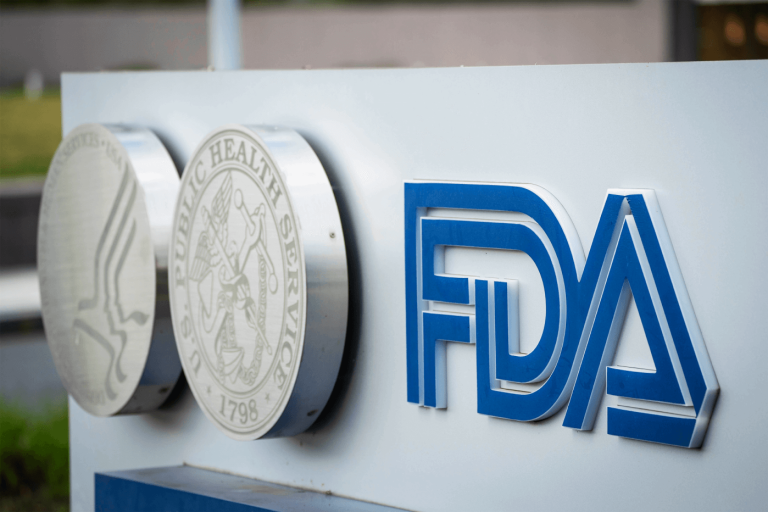
On Monday morning, the FDA announced that Prairie Farms had voluntarily recalled a portion of its fat-free gallon milk produced at the company’s Dubuque, Iowa, facility. The reason was both unexpected and unsettling: possible contamination with food-grade cleaning agents. While not industrial poisons, these agents can cause immediate illness when swallowed, especially for children and seniors.
According to Prairie Farms, the affected product was processed during a narrow production window—between 5:51 p.m. and 9:23 p.m. on December 8. Roughly 320 gallons made it onto store shelves before anyone realized that something had gone wrong inside the plant.
For families who had already brought the milk home, the FDA issued a simple but firm instruction: Do not drink it. Throw it away immediately.
What Triggered the Alarm
Prairie Farms says it learned of a potential quality issue on November 24, prompting an internal investigation that ultimately led to the recall. Once the problem was confirmed, the company moved quickly to pull the affected inventory from Woodman’s stores in Illinois and Wisconsin. It also notified the FDA, which then issued its public announcement.
Company leaders emphasized that this contamination affected only a small portion of one production run. Still, for shoppers who trust Prairie Farms as one of the Midwest’s most familiar brands, the news was jarring.
The product in question carries UPC 7273023117 and a specific date code printed on the jug. Anyone who purchased fat-free Prairie Farms milk from a Woodman’s location during that timeframe has been urged to double-check their cartons.
Understanding the Risk: Cleaning Agents in Food Production
Food-grade cleaning agents are widely used in dairy processing facilities to sanitize equipment. When handled correctly, they never come in contact with finished products. But when timing misaligns—or human error enters the process—trace amounts can slip through the system.
Ingesting these substances can trigger nausea, vomiting, abdominal pain, and in rare cases, severe reactions. Parents who poured this milk for their children understandably reacted with alarm.
While the company maintains that only a small batch was impacted, the incident raises broader questions about how these lapses occur and why consumers often learn about them only after products reach their kitchens.
Recalls Are Becoming All Too Familiar
This incident follows a series of high-profile food recalls that have left Americans wondering whether federal oversight remains strong enough to protect the public. Only weeks ago, the FDA elevated its recall of eggs from Wisconsin-based Milo’s Poultry Farms to a Class I alert—its most serious designation.
Those eggs were tied to 65 salmonella infections across nine states. Twenty-four individuals required hospitalization, and the contamination spread across grocery chains in Wisconsin, Michigan, and Illinois.
The lesson remains the same: food safety failures rarely stay local.
In both cases, the contamination occurred at the production stage, not in transport or retail. And in both cases, consumers learned of the danger only after exposure had already happened.
A Growing Responsibility Gap
Dairy plants, poultry farms, and food processors operate under federal regulations, but industry critics argue that inspections are inconsistent and often too reactive. By the time a company or regulator discovers a problem, contaminated products may already be in grocery carts—or refrigerators.
This latest milk recall highlights that gap. While Prairie Farms acted quickly once the issue surfaced, the fact remains that cleaning agents entered the food stream in the first place. For many families, that’s an unacceptable risk.
The FDA’s current recall system relies heavily on rapid consumer communication, yet few Americans monitor recall alerts daily. Many only learn of them through news coverage or social media posts.
That means thousands of people may still have recalled items sitting in their homes before they ever hear about nationwide warnings.
Impact Across the Midwest
Woodman’s, the regional grocery chain affected by this recall, has been cooperating with the investigation. Stores removed the milk from shelves as soon as they were notified. Even so, roughly 320 gallons had already been sold, leaving many customers wondering if they unknowingly served contaminated milk to their families during the Thanksgiving holiday stretch.
In Illinois and Wisconsin—two states where dairy plays a central role in local agriculture—the news hit especially hard. Milk is not a niche purchase. It’s a staple, especially for families with children. Learning that even a single batch may have been compromised shakes public confidence in everyday household purchases.
A Reminder of the System’s Weak Points
Food recalls often expose vulnerabilities that rarely make headlines: understaffed facilities, tight production deadlines, reliance on temporary employees, and aging equipment. Even well-respected brands aren’t immune from errors.
And as Washington increasingly shifts attention to political battles rather than regulatory maintenance, many Americans feel that food safety oversight is slipping through the cracks.
When the FDA steps in, it’s almost always after the fact—after products have been consumed, after illnesses have occurred, after families have been put at risk.
What Consumers Should Do Now
The FDA instructs anyone who purchased Prairie Farms Gallon Fat Free Milk with the impacted date code to dispose of it immediately. The agency also encourages customers to contact Prairie Farms for a refund.
Symptoms of exposure to cleaning agents include:
-
Nausea
-
Vomiting
-
Diarrhea
-
Abdominal discomfort
Those experiencing persistent or severe symptoms should seek medical attention.
The Broader Consequences
This recall also raises concerns for other food producers who rely on cleaning cycles between production runs. Any breakdown in that process—whether mechanical or human—can create situations like this one. The dairy industry, already under pressure from rising costs and supply chain shifts, now faces renewed scrutiny.
For Prairie Farms, a cooperative with a long history in the Midwest, the priority now is rebuilding trust. But trust is hard to regain once shaken, and consumers expect transparency about how the mistake happened, who caught it, and what preventive measures the company will implement going forward.
An Industry on Notice
The food recall involving milk may be small in scale compared to nationwide outbreaks, but for many families, the impact feels just as personal. A product as simple and fundamental as milk carries an expectation of safety. When that expectation breaks, the ripple effect reaches far beyond one grocery chain or one production facility.
This incident underscores a truth many consumers increasingly feel: vigilance is no longer optional.

Emily Johnson is a critically acclaimed essayist and novelist known for her thought-provoking works centered on feminism, women’s rights, and modern relationships. Born and raised in Portland, Oregon, Emily grew up with a deep love of books, often spending her afternoons at her local library. She went on to study literature and gender studies at UCLA, where she became deeply involved in activism and began publishing essays in campus journals. Her debut essay collection, Voices Unbound, struck a chord with readers nationwide for its fearless exploration of gender dynamics, identity, and the challenges faced by women in contemporary society. Emily later transitioned into fiction, writing novels that balance compelling storytelling with social commentary. Her protagonists are often strong, multidimensional women navigating love, ambition, and the struggles of everyday life, making her a favorite among readers who crave authentic, relatable narratives. Critics praise her ability to merge personal intimacy with universal themes. Off the page, Emily is an advocate for women in publishing, leading workshops that encourage young female writers to embrace their voices. She lives in Seattle with her partner and two rescue cats, where she continues to write, teach, and inspire a new generation of storytellers.