


Trump Escalates His Feud With Ilhan Omar During Air Force One Remarks
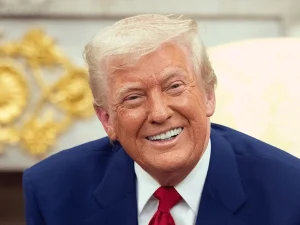
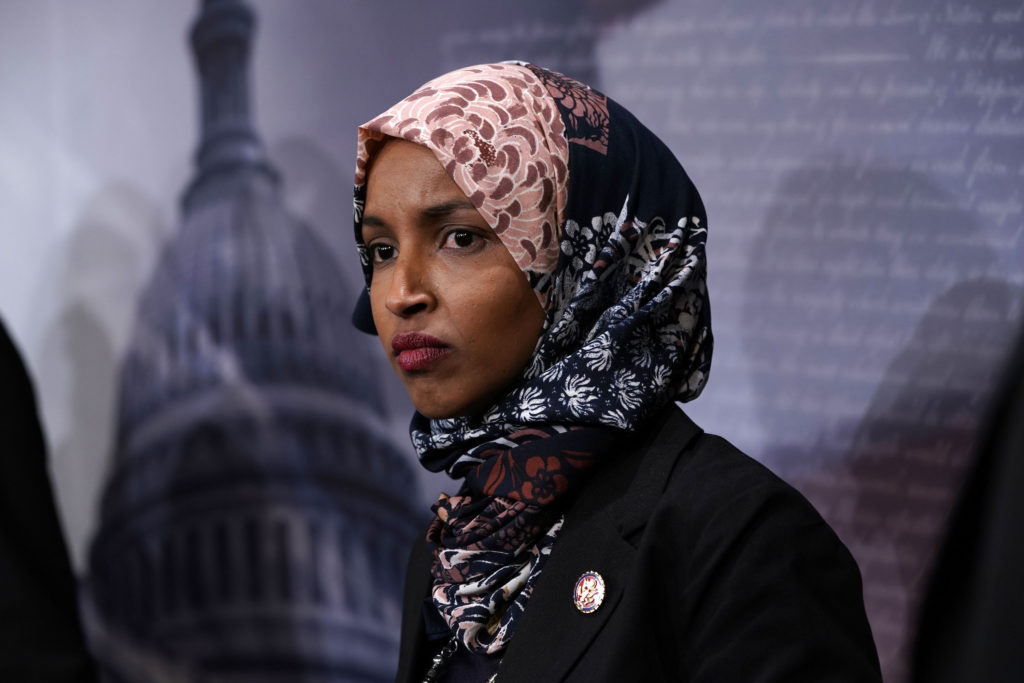
President Donald Trump escalated his long-running confrontation with Rep. Ilhan Omar (D-MN), using an informal press gaggle aboard Air Force One to sharpen previous criticisms and broaden his focus to the larger Somali immigrant community in the United States. The latest remarks build on weeks of political sparring that began with a viral White House post mocking Omar’s comments about deportation and citizenship, and the dispute has since evolved into a substantial campaign flashpoint.
A Viral Exchange That Sparked a New Fight
The tension began after an October interview Omar gave on The Dean Obeidallah Show. When asked about the idea that her citizenship might be revoked under Trump’s immigration policies, Omar brushed off the question.
“I have no worry,” she said. “I don’t even know why that’s such a scary threat. I’m not the 8-year-old who escaped war anymore. I’m grown, my kids are grown. I could go live wherever I want.”
The comment simmered online until Nov. 10, when the White House responded by posting a now-famous photo of Trump cheerfully waving from a McDonald’s drive-through window during a 2024 campaign stop. The context was unmistakable. The message — playful on its surface — was widely interpreted as Trump mockingly “waving goodbye” to Omar.
That post revived a political fight that had been dormant for several months. Trump’s allies celebrated it as a perfect jab; Democrats condemned it as xenophobic. Regardless, the exchange set the stage for what would become a more intense and pointed confrontation.
Trump’s Air Force One Comments Add Fuel
While returning to Washington from Florida aboard Air Force One, Trump was asked again about Omar and her remarks. This time, his answer extended far beyond the joking tone of the earlier McDonald’s post.
“She supposedly came into our country by marrying her brother,” Trump told reporters, referencing a long-circulated allegation that Omar has denied for years. “If that’s true, she shouldn’t be a congresswoman, and we should throw her the hell out of the country.”
The accusation stems from claims made by political opponents and various online investigators alleging that Omar’s marriage in the early 2000s was fraudulent. Omar has repeatedly dismissed the theory as racist disinformation. Despite this, Trump brought the allegation back into mainstream discussion, signaling that he views it as a potent political weapon.
A Broader Critique of Somali Immigration
Trump did not limit his comments to Omar alone. Instead, he pivoted to a sweeping critique of Somali immigration and the country’s relationship with the United States.
“Somalis have caused us a lot of trouble, and they cost us a lot of money,” he said. “What the hell are we paying Somalia for?”
He then tied the issue back to Omar, saying, “We have Ilhan Omar who does nothing but complain about our Constitution and our country! We’re not taking their people anymore — in fact, we’re sending them back.”
The remarks came at a politically sensitive moment for Somali-American communities, particularly in Minnesota, where immigration concerns have intensified following the Thanksgiving-week shooting of two National Guard members by an Afghan refugee. Although the incident involved a different immigrant group and different circumstances, it reignited national discussions about vetting, refugee programs, and public safety.
https://twitter.com/EricLDaugh/status/1995266502426063306
Omar Responds: “A Lying Buffoon”
Omar did not stay silent. Earlier this month, she dismissed Trump’s claims about Somalia’s president refusing to accept her back — a story Trump has told at rallies. She called the account false and labeled Trump a “lying buffoon.”
Her response fits a long pattern of blunt, unfiltered pushback against Trump, dating back to her earliest days in Congress. Omar has consistently positioned herself as one of the most vocal critics of Trump’s immigration agenda and his rhetoric surrounding immigrant communities of color.
The White House Stands Firm
Despite the harshness of Trump’s latest comments, the White House made it clear there would be no walk-back. A senior aide said the president was “reminding voters that America’s generosity should never be repaid with contempt,” suggesting that the administration views this confrontation as both morally justified and politically advantageous.
Privately, campaign advisers argue that highlighting Omar energizes Trump’s base, particularly voters who are deeply concerned about border security, refugee programs, and assimilation issues. For them, Omar represents a powerful symbol of what they believe is wrong with current immigration policy.
Omar’s Background Shapes the Debate
Omar’s personal story has always been central to how she is perceived — both by supporters and critics. Her family fled Somalia’s civil war in 1991, lived in a Kenyan refugee camp for several years, and eventually resettled in the United States. She became a U.S. citizen as a teenager and entered politics after working in community organizing and education.
In 2018, she became one of the first Muslim women ever elected to Congress and the first Somali-American to serve in the U.S. House. Her rise, celebrated by progressives, has simultaneously made her a lightning rod for Republicans, especially Trump, who frequently battles with members of the progressive “Squad.”
Escalating Rhetoric Amid National Tension
Trump’s renewed focus on Somali immigration arrives at a moment when national anxieties about foreign-born crime are running high. The deadly attack on National Guard members over the Thanksgiving holiday revived questions about refugee vetting systems implemented during the Biden administration. Although not directly tied to Minnesota’s Somali community, the incident has fueled broader political messaging about national security, cultural integration, and the costs associated with resettlement programs.
Against that backdrop, Trump’s remarks about Omar served a dual purpose: intensifying a personal rivalry and pressing a larger political argument about immigration, national identity, and loyalty.
The Political Stakes Going Into 2026
As the country moves deeper into the 2026 election cycle, the feud between Trump and Omar is becoming more than a series of insults. It illustrates two competing visions of the United States — one focused on strong cultural assimilation and strict immigration enforcement, and another emphasizing diversity, refugee protection, and expanded political representation.
Republicans see Omar as an unintentional asset: a figure who energizes their voters and sharpens the contrast with progressive Democrats. Democrats view Trump’s attacks as dangerous rhetoric that unfairly targets immigrants and encourages xenophobia.
What is clear is that neither side intends to de-escalate. With immigration emerging as one of the top voter concerns heading into 2026, Trump’s latest comments — and Omar’s rebuttals — are almost certainly not the end of the story.

Sarah Mitchell is a bestselling novelist recognized for her insightful and emotionally resonant stories that explore the complexities of human relationships. Originally from Denver, Colorado, Sarah grew up in a family of teachers who nurtured her curiosity and love for storytelling. She studied psychology at Stanford University, where she became fascinated by the intricacies of human behavior—an interest that would later shape her writing career. Sarah’s novels are praised for their nuanced characters, intricate plots, and ability to capture the subtle tensions that define love, friendship, and family ties. Her breakthrough novel, The Spaces Between Us, became an instant bestseller, lauded for its honest portrayal of strained family relationships and the fragile bonds that hold people together. Since then, she has published several works that continue to captivate audiences around the world. Outside of her writing career, Sarah is passionate about mental health advocacy and often partners with organizations to promote awareness and support for those struggling with emotional well-being. Her personal life is quieter—she enjoys hiking in the Colorado mountains, practicing yoga, and spending time with close friends. With each new book, Sarah Mitchell cements her reputation as a writer who illuminates the beauty and struggles of human connection.