



The United States federal government entered a partial shutdown on October 1, 2025, following Congress’s inability to pass a continuing resolution to fund government operations for the 2026 fiscal year. As of early November, the shutdown has extended into its 40th day, making it the longest in U.S. history. The stalemate has resulted in widespread federal employee furloughs, disruptions to government services, and growing concern about economic repercussions across the country.
Legislative Deadlock
The shutdown originated when the Republican-controlled House of Representatives passed a stopgap funding bill that failed to include extensions of certain healthcare subsidies under the Affordable Care Act (ACA). Senate Democrats, insisting that these subsidies remain in place for millions of Americans who rely on them, repeatedly rejected the proposal. Reports indicate the Senate voted multiple times on variations of the funding bill without achieving passage, leading to the protracted shutdown.
The disagreement primarily revolves around the continuation of ACA marketplace subsidies. These subsidies, designed to make private health insurance more affordable for qualifying individuals and families, are set to expire at the end of 2025. Democrats argue that extending these subsidies is crucial to prevent sudden financial burdens on millions of Americans, while Republicans have maintained that government operations must first be funded before addressing policy matters.
National Impact
The shutdown has affected a wide array of federal functions. Approximately 750,000 federal employees have been furloughed, while a similar number continue to work without pay. Critical operations, including law enforcement, aviation oversight, and social services, have been disrupted. Federal agencies have warned of delays in routine functions, ranging from visa and passport processing to inspections and research programs.
Air travel has been particularly impacted, with staffing shortages at the Federal Aviation Administration causing reductions in flight operations at several major airports. The upcoming Thanksgiving travel period has amplified concerns, as travelers face increased uncertainty and potential delays. Social programs, including the Supplemental Nutrition Assistance Program (SNAP), have also been affected, creating challenges for millions of Americans who depend on government assistance for basic needs.
Economically, the shutdown carries significant consequences. Analysts estimate that prolonged closures of federal operations reduce productivity, slow economic growth, and could cost the U.S. economy billions of dollars. Federal contract work, regulatory oversight, and public services all contribute to the broader economic impact.
Trump’s Involvement and Policy Proposal
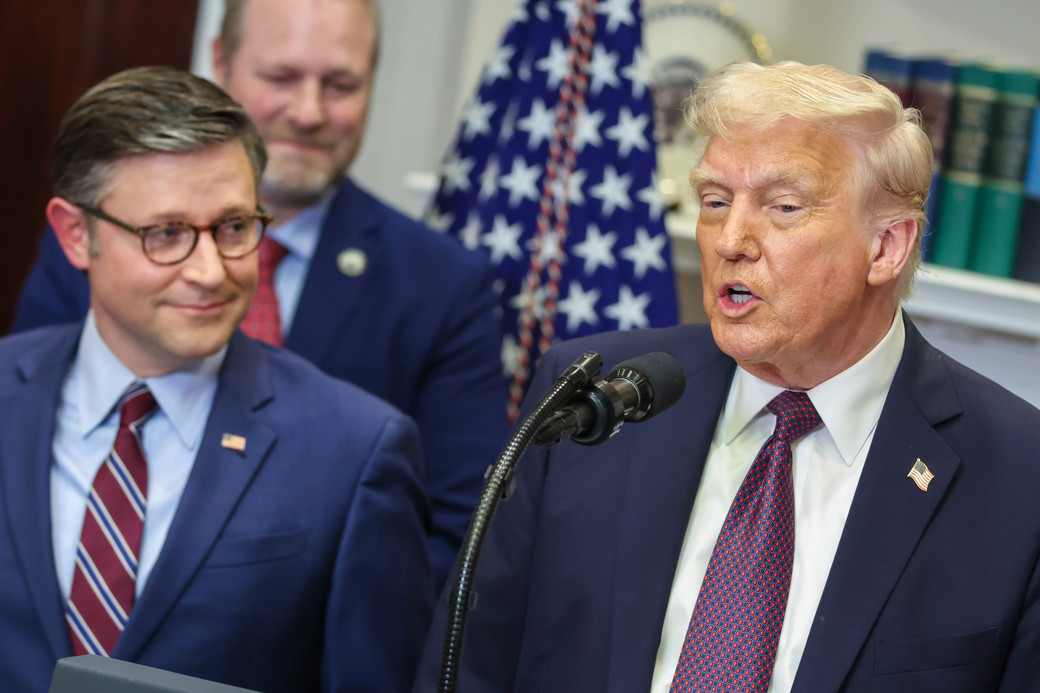
Amid the ongoing shutdown, former President Donald Trump has actively engaged in public commentary regarding the situation. Trump has criticized both parties for their handling of the impasse but has particularly emphasized the role of Democrats in opposing his proposed approach to healthcare subsidies.
Trump has proposed redirecting the funds currently allocated for ACA marketplace subsidies directly to eligible individuals. His reasoning is that this approach would allow Americans to purchase insurance coverage that best fits their needs while reducing reliance on the traditional subsidy system. While insurance companies would still play a role in providing policies, the proposal seeks to give consumers more direct control over the use of federal funds.
In public statements, Trump has highlighted the rising costs of premiums under the current system and argued that direct payments could foster competition and lower healthcare costs for individuals. The proposal remains a point of debate among policymakers, with Republicans and Democrats differing on its feasibility, implementation, and potential impact on both the federal budget and insurance markets.
Political Considerations
The shutdown has created a complex political environment. Both parties face scrutiny from the public, which has grown increasingly frustrated with the ongoing stalemate. Polling data indicates that many Americans view the situation as a failure of Congress to resolve budgetary and policy differences, holding both Democrats and Republicans responsible to varying degrees.
For President Trump and congressional Republicans, the challenge lies in demonstrating leadership while proposing alternative policy approaches. Trump’s proposal to redirect healthcare subsidies has been framed as a solution to the immediate funding conflict while also promoting broader healthcare reform objectives. Meanwhile, Democrats emphasize the importance of protecting coverage for Americans who rely on ACA subsidies, insisting that policy decisions cannot be deferred without causing harm to millions of citizens.
The filibuster in the Senate remains a structural obstacle to resolving the impasse. With a 60-vote threshold required for most legislation, bipartisan agreement is necessary to pass funding bills or make significant policy changes. As a result, negotiations have been slow and contentious, with each side seeking to maximize leverage while avoiding political concessions that could alienate their respective bases.
Economic Implications
Beyond immediate federal operations, the shutdown has broader economic effects. The CBO estimates that each additional week of shutdown slows GDP growth, reduces federal revenues, and increases uncertainty for markets and businesses that rely on federal oversight and contracts. Federal employees and contractors face financial strain, which can ripple through local economies, particularly in areas with high concentrations of government workers.
Airlines and transportation companies have had to adjust operations in response to reduced FAA staffing, leading to flight cancellations and delays. Social service organizations have experienced increased demand as federal programs operate at limited capacity, placing additional stress on non-governmental support networks.
Challenges Ahead
Resolving the shutdown will require compromise on multiple fronts. Key obstacles include:
-
Healthcare Subsidy Extension: Negotiators must determine whether and how ACA marketplace subsidies will be extended, either through direct payments to individuals or continuation of existing mechanisms.
-
Federal Funding Agreement: Lawmakers must pass a continuing resolution or appropriations package to restore government operations and ensure uninterrupted funding of federal programs.
-
Bipartisan Negotiation: Both parties must navigate political pressures, public opinion, and internal party dynamics while seeking a sustainable solution.
While potential pathways to resolution exist, including short-term agreements or phased approaches to funding and policy, achieving consensus has proven difficult. The longer the shutdown continues, the more severe the operational, economic, and political consequences become.
Conclusion
As the United States faces its longest government shutdown in history, the stakes for federal operations, the economy, and millions of Americans are high. The impasse underscores deep partisan divisions over budget priorities and healthcare policy, with ACA marketplace subsidies at the center of the debate.
Former President Donald Trump has actively weighed in, advocating for direct payments to individuals as a mechanism to improve healthcare affordability and reduce reliance on traditional subsidies. While his proposal remains controversial, it reflects a continued role for Trump in national policy discussions and political strategy.
The federal government’s partial closure has disrupted essential services, affected federal employees and contractors, and created economic uncertainty nationwide. As policymakers continue to negotiate, the resolution of this shutdown will have lasting implications for governance, public trust, and the functioning of the United States’ political system.

Emily Johnson is a critically acclaimed essayist and novelist known for her thought-provoking works centered on feminism, women’s rights, and modern relationships. Born and raised in Portland, Oregon, Emily grew up with a deep love of books, often spending her afternoons at her local library. She went on to study literature and gender studies at UCLA, where she became deeply involved in activism and began publishing essays in campus journals. Her debut essay collection, Voices Unbound, struck a chord with readers nationwide for its fearless exploration of gender dynamics, identity, and the challenges faced by women in contemporary society. Emily later transitioned into fiction, writing novels that balance compelling storytelling with social commentary. Her protagonists are often strong, multidimensional women navigating love, ambition, and the struggles of everyday life, making her a favorite among readers who crave authentic, relatable narratives. Critics praise her ability to merge personal intimacy with universal themes. Off the page, Emily is an advocate for women in publishing, leading workshops that encourage young female writers to embrace their voices. She lives in Seattle with her partner and two rescue cats, where she continues to write, teach, and inspire a new generation of storytellers.