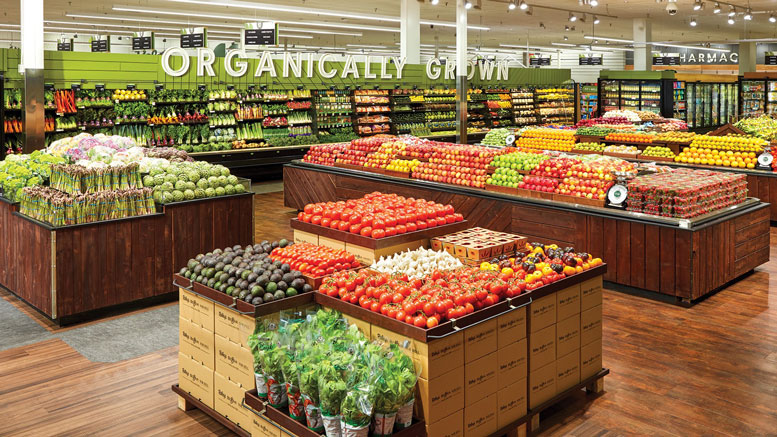
For many households, grocery shopping is less about leisure and more about necessity. It is woven into daily routines, tied to budgets, habits, and familiarity. When a long-standing neighborhood store shuts its doors, the impact can feel more personal than many expect. Customers must adjust not only their shopping routes but also their sense of reliability and comfort—something that becomes especially meaningful during periods of economic strain and rising living costs.
That sense of disruption is now being felt in parts of California, where The Raley’s Companies, a regional grocery operator with roots dating back nearly a century, has confirmed the closure of two additional store locations in early 2026. The move reflects both localized business decisions and a broader wave of challenges reshaping the retail industry nationwide.
A Longstanding Presence in Regional Grocery
The Raley’s Companies traces its origins to 1935, when its first store opened and began building a reputation as a dependable grocery option for communities in Northern California and Nevada. Over the decades, the company expanded steadily, eventually reaching more than 100 locations and becoming a familiar brand in multiple communities.
In 2021, the company significantly broadened its footprint after acquiring Bashas’ Family of Stores, forming The Raley’s Companies in its current structure. Today, the organization operates more than 235 stores across seven states and several Tribal Nations under a variety of banners. These include Raley’s, Bel Air, Nob Hill Foods, Food City, AJ’s Fine Foods, and several specialty concepts, employing more than 20,000 people across its network.
Despite this scale, the company is not immune to the pressures affecting the grocery and retail sectors more broadly.
Two California Locations Set to Close
Company representatives confirmed that two stores in California will close permanently in late January 2026. The first is a Raley’s location in Roseville that has served its community for more than three decades. The second is a Nob Hill Foods store in Mountain View that has operated for nearly 20 years.
Together, the closures are expected to affect close to 100 employees. According to company statements, the decision to close the stores stems primarily from expiring leases combined with a reassessment of long-term operational strategy and evolving economic conditions. After evaluating the performance of both locations and the broader market outlook, the company chose not to renew the leases.
Executives emphasized that efforts are underway to assist affected workers, including opportunities for reassignment at nearby locations where possible. Supporting employees during the transition has been presented as a priority as the closures move forward.
Continued Presence in Some Communities
While the Roseville location will shut down, the company is not exiting the region entirely. Several other stores remain in operation within a short distance, allowing customers to continue shopping under the same brand umbrella. Company representatives have stressed that their commitment to serving the Roseville area remains intact through these nearby locations.
The situation differs in Mountain View, however, where the closure of the Nob Hill Foods store will eliminate the company’s presence in that immediate market. With no other company banners operating nearby, customers in that area will need to transition to alternative grocery providers.
A Pattern of Gradual Consolidation
The upcoming closures are not isolated events. In recent years, The Raley’s Companies has made a series of adjustments across its network. These have included shutting down in-store pharmacies, closing smaller-format stores, and consolidating underperforming locations in multiple states.
Each of these decisions has been shaped by a combination of operational costs, consumer demand, and broader economic forces. Like many mid-sized grocery chains, the company must continuously balance margins, real estate costs, labor expenses, and shifting consumer expectations in order to remain competitive.
Retail Sector Facing Widespread Strain
The developments at Raley’s are part of a much larger pattern unfolding across the U.S. retail landscape. Traditional brick-and-mortar businesses are facing sustained pressure from multiple directions, including inflation, rising wages, supply chain volatility, and changing consumer behavior.
Data from CoreSight Research indicates that store closures accelerated sharply in 2025, rising by more than 60% compared to the previous year. By mid-year, thousands of store shutdowns had already been reported nationwide, far exceeding prior-year figures.
These closures are not limited to one segment of retail. Grocery stores, apparel chains, department stores, and specialty retailers have all been affected. In many cases, companies are choosing to reduce their physical footprints, focusing instead on high-performing locations and digital channels.
Economic and Labor Market Implications
The ripple effects of retail closures extend beyond storefronts. Job losses have risen in tandem with store shutdowns, creating challenges for workers and local economies. The retail sector alone accounted for tens of thousands of layoffs in 2025, contributing to a broader trend of workforce reductions across multiple industries.
Figures from the U.S. Bureau of Labor Statistics suggest that overall job growth has slowed compared to expectations, while the unemployment rate has ticked upward. These trends underscore the fragility of the labor market at a time when many households are already contending with higher costs of living.
Economists note that the combination of reduced hiring and increased layoffs makes it more difficult for displaced workers to find new employment quickly. This dynamic can prolong financial strain for individuals and families, particularly in communities where retail has historically been a major source of jobs.
Changing Consumer Behavior
Another factor contributing to store closures is the ongoing evolution of consumer preferences. Online shopping, delivery services, and digital payment systems have transformed how people buy groceries and household goods. Even for essential items like food, customers increasingly value convenience, speed, and price transparency.
As a result, retailers are being forced to invest heavily in technology, logistics, and omnichannel capabilities. For some companies, maintaining a large network of physical stores is no longer economically viable in the same way it once was. Instead, many are shifting toward smaller store footprints, fewer locations, or hybrid models that integrate online and in-store shopping.
Impact on Communities
When a grocery store closes, the consequences are not purely economic. Local residents may lose convenient access to fresh food, particularly in neighborhoods with limited transportation options. In some areas, store closures can contribute to the emergence of food deserts, where access to affordable and nutritious groceries becomes more difficult.
Community leaders and policymakers often view grocery stores as anchor institutions—businesses that support local employment, attract foot traffic, and contribute to neighborhood stability. Their loss can therefore have a cascading effect on surrounding businesses and services.
Looking Ahead
Industry analysts warn that the pressures facing retailers are unlikely to ease in the near term. Economic uncertainty, evolving consumer habits, and global supply challenges continue to create an unpredictable environment for companies operating in the sector.
For The Raley’s Companies, the latest closures represent a strategic adjustment aimed at preserving long-term stability. By consolidating operations and focusing on stronger-performing locations, the company hopes to maintain its position in a competitive and rapidly changing marketplace.
For customers and employees affected by the closures, however, the transition may be more immediate and personal. The disappearance of a familiar neighborhood store is a tangible reminder of how broader economic forces can reshape everyday life—one storefront at a time.
As the retail landscape continues to evolve, both businesses and communities will need to adapt to a new reality in which flexibility, efficiency, and resilience are more important than ever.

Emily Johnson is a critically acclaimed essayist and novelist known for her thought-provoking works centered on feminism, women’s rights, and modern relationships. Born and raised in Portland, Oregon, Emily grew up with a deep love of books, often spending her afternoons at her local library. She went on to study literature and gender studies at UCLA, where she became deeply involved in activism and began publishing essays in campus journals. Her debut essay collection, Voices Unbound, struck a chord with readers nationwide for its fearless exploration of gender dynamics, identity, and the challenges faced by women in contemporary society. Emily later transitioned into fiction, writing novels that balance compelling storytelling with social commentary. Her protagonists are often strong, multidimensional women navigating love, ambition, and the struggles of everyday life, making her a favorite among readers who crave authentic, relatable narratives. Critics praise her ability to merge personal intimacy with universal themes. Off the page, Emily is an advocate for women in publishing, leading workshops that encourage young female writers to embrace their voices. She lives in Seattle with her partner and two rescue cats, where she continues to write, teach, and inspire a new generation of storytellers.