NOTE: VIDEO AT THE END OF THE ARTICLE.
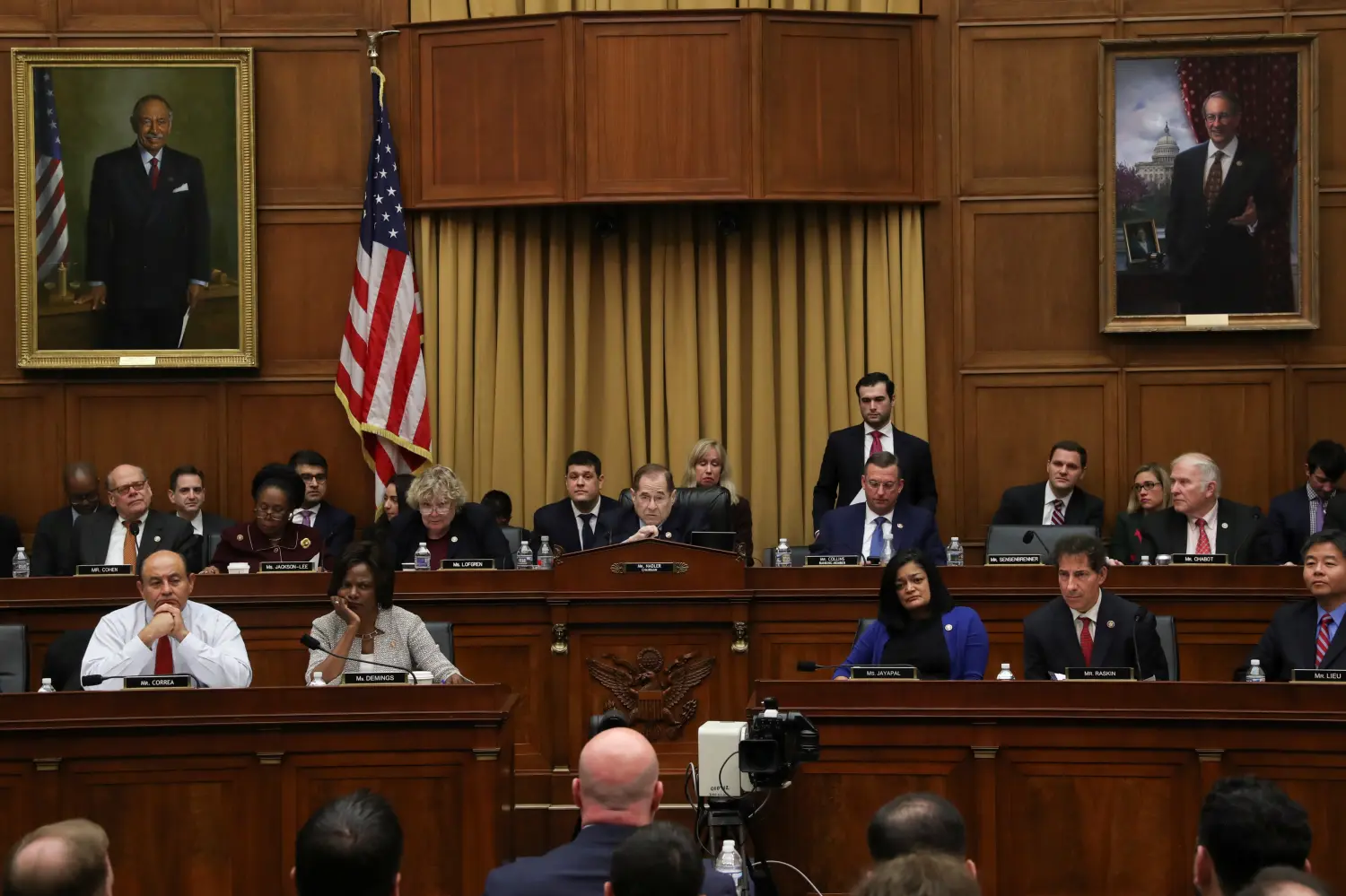
New York Governor Kathy Hochul came under intense scrutiny Thursday during a heated House Oversight Committee hearing, where she was questioned about her state’s sanctuary policies and their connection to a string of violent crimes involving illegal immigrants.
The hearing, focused on the impact of sanctuary jurisdictions, quickly turned combative when Rep. Elise Stefanik (R-NY) confronted Hochul with a series of disturbing criminal cases that have occurred on her watch. Hochul, appearing visibly uncomfortable, struggled to respond as Stefanik outlined the details of each case.
Among the most chilling examples raised was the case of Sakir Akkan, a 21-year-old accused of raping a 15-year-old girl in Albany. According to police reports, Akkan had a history of prior run-ins with authorities but was still residing in the state due to lax immigration enforcement.
Stefanik also pointed to the horrifying case of Sebastian Zapeta Khalil, who is charged with burning a woman alive on a New York City subway in January. Khalil, also in the country illegally, had multiple red flags in his record prior to the attack, yet remained free in a city known for refusing cooperation with federal immigration authorities.
When pressed for an explanation, Hochul failed to directly address the individual cases, instead offering general statements about New York’s commitment to due process and public safety. Her vague responses only fueled the frustration of Republican lawmakers, some of whom accused her of willful ignorance.
Critics argue that Hochul’s inability—or unwillingness—to acknowledge the consequences of sanctuary policies highlights a growing disconnect between state leadership and public safety concerns. “These are not isolated incidents,” Stefanik said. “These are the deadly results of a policy that protects criminals over citizens.”
Hochul, who has long defended New York’s sanctuary status, maintained that her administration prioritizes law enforcement partnerships and community trust. But Thursday’s hearing made it clear that many lawmakers—and constituents—are no longer convinced.
The exchange between Stefanik and Hochul has since gone viral, with clips circulating widely on social media and sparking renewed debate over how sanctuary laws are impacting crime across major cities.
Republicans on the committee say they plan to introduce legislation aimed at penalizing states that fail to comply with federal immigration detainers, especially in cases involving serious criminal offenses.
As crime and immigration remain hot-button issues heading into the 2026 elections, moments like these are likely to become more frequent—and more politically explosive.
PLAY:

James Jenkins is a celebrated Pulitzer Prize-winning author whose work has reshaped the way readers think about social justice and human rights in America. Raised in Atlanta, Georgia, James grew up in a community that instilled in him both resilience and a strong sense of responsibility toward others. After studying political science and creative writing at Howard University, he worked as a journalist covering civil rights issues before dedicating himself fully to fiction. His novels are known for their sharp, empathetic portraits of marginalized communities and for weaving personal stories with broader political realities. Jenkins’s breakout novel, Shadows of Freedom, won national acclaim for its unflinching look at systemic inequality, while his more recent works explore themes of identity, resilience, and the fight for dignity in the face of oppression. Beyond his novels, James is an active public speaker, lecturing at universities and participating in nonprofit initiatives that support literacy and community empowerment. He believes that storytelling is a way to preserve history and inspire change. When not writing, James enjoys jazz music, mentoring young writers, and traveling with his family to explore cultures and stories around the world.