



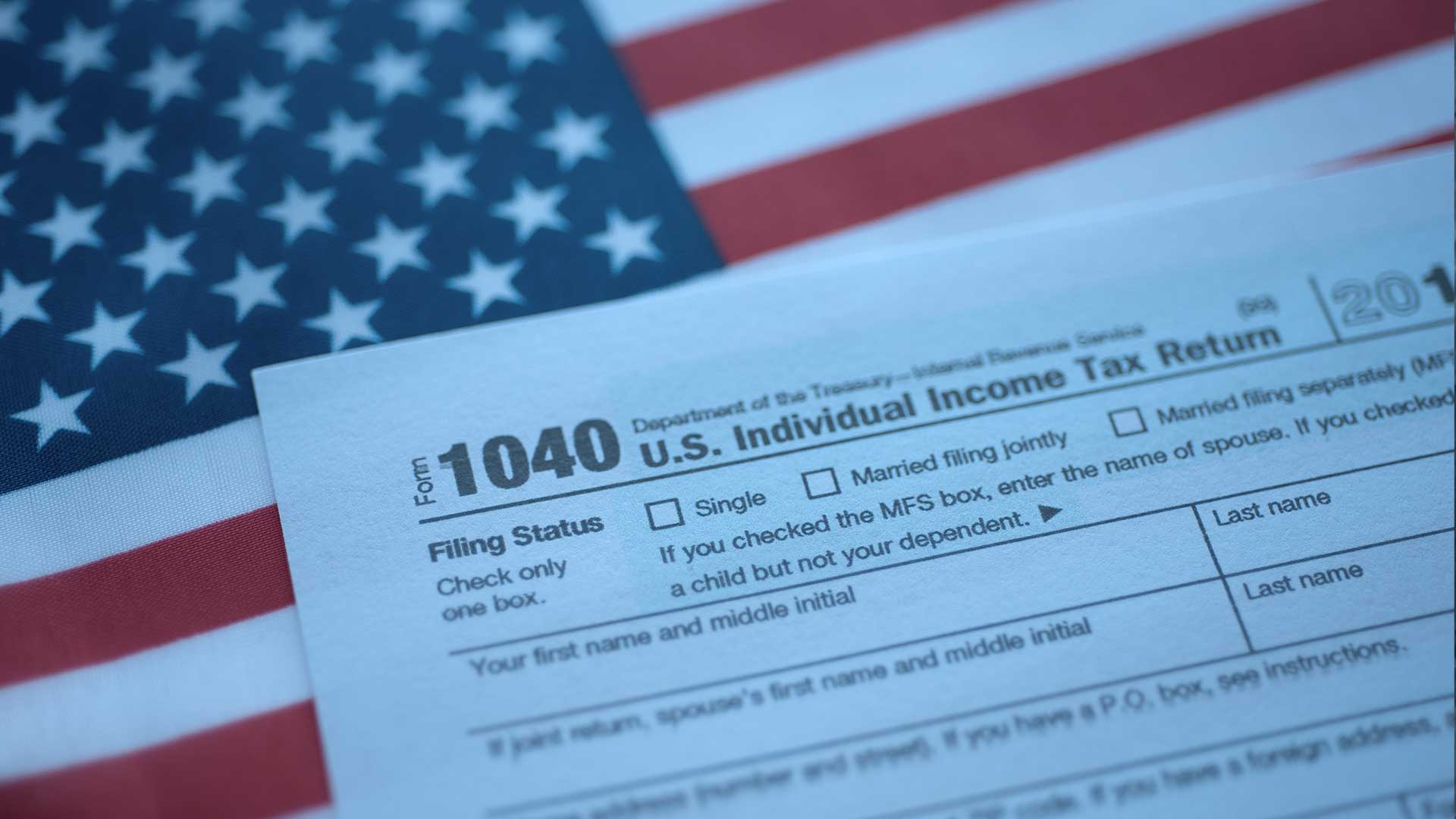
The 2026 tax filing season is set to begin in January, and Treasury officials are forecasting that the year’s filings could bring substantial refunds for many Americans. While the Internal Revenue Service (IRS) has yet to confirm an exact start date, experts expect the filing window to open in late January, giving taxpayers a chance to take advantage of several new policies and deductions.
One significant change involves the IRS Direct File system, an electronic platform launched under the Biden administration to allow taxpayers to file returns directly through the agency. According to Treasury Secretary and IRS Commissioner Scott Bessent, the program will no longer be offered in 2026. “It wasn’t used very much,” Bessent explained in November, adding that “better alternatives” exist for taxpayers. The pilot program, initiated for the 2023 tax year, processed nearly 300,000 returns by April 2025, but officials concluded the system’s low adoption did not justify continued operation.
New Mileage Rates
The IRS also announced updated mileage reimbursement rates for the upcoming year. Starting January 1, the standard mileage rate for qualifying vehicles will rise to 72.5 cents per mile, a 2.5-cent increase from 2025. Mileage driven for medical purposes will be reimbursed at 20.5 cents per mile, down slightly from last year, and the same rate will apply to moving expenses for qualifying active-duty military members and select intelligence personnel. The adjustment is meant to reflect updated cost data and annual inflation considerations, applying to both traditional fuel vehicles as well as hybrid and fully electric models.
Larger Refunds Expected
Officials are signaling that many Americans could see larger tax refunds this year, a trend driven primarily by provisions in the One Big Beautiful Bill Act, passed by Congress over the summer. Treasury Secretary Bessent told the All-In Podcast that workers will experience adjustments to their withholding schedules, effectively increasing real wages and potentially leading to refunds ranging from $1,000 to $2,000 for eligible households.
The legislation includes several individual-focused tax measures. Among these are expansions to the child tax credit, a higher standard deduction, limits on state and local tax (SALT) deductions, and new deductions for interest on auto loans. Additional provisions include reduced tax on tip and overtime income, as well as a deduction for Social Security benefits received by seniors who otherwise pay taxes on that income.
IRS Chief Executive Frank Bisignano echoed Bessent’s optimism, noting that approximately 94% of middle-class taxpayers are expected to see higher refunds next year.
Average Refunds Projected
Nonpartisan analysts largely support the administration’s forecasts. The Tax Foundation predicts the average refund for 2026 filings will be around $800. “Many taxpayers will see larger refunds than in recent years due to the One Big Beautiful Bill Act, which reduced individual income taxes for 2025 by an estimated $144 billion,” said Erica York, a tax policy analyst with the foundation.
York noted that the IRS did not adjust its withholding tables following the law’s passage, meaning that many workers continued to have more taxes withheld than necessary throughout 2025. “As a result, instead of gradually receiving the benefit of the tax cuts through higher take-home pay, most taxpayers will receive it all at once when they file their returns,” she explained.
Deduction Changes for Tips and Overtime
New provisions also aim to ease tax burdens for employees earning tips or overtime. Tip income deductions allow workers making less than $150,000 annually—or $300,000 for married couples filing jointly—to deduct up to $25,000 in tips, with deductions reduced by $100 for every $1,000 earned over the threshold.
Overtime pay is treated similarly, with workers able to deduct up to $12,500 in overtime, or $25,000 for joint filers, subject to the same phase-out rules for higher earners. Both deductions require filers to include Social Security numbers, ensuring proper credit and verification.
Introduction of “Trump Accounts”
A unique feature of the new tax and spending legislation is the rollout of so-called “Trump Accounts.” These accounts provide a $1,000 bonus for babies born during the Trump administration, funded in part by contributions from billionaires such as Michael Dell and Ray Dalio.
Treasury officials say that families will be able to claim the incentive using a new IRS form when filing taxes. “To claim this investment, most families need merely to check a box on Form 4547,” Bessent explained. Although the program is tied to the 2026 tax season, it will officially become available on July 4, 2026.
Preparing for Filing
As taxpayers prepare to submit returns, officials are urging caution and careful review of documentation. The elimination of Direct File means that most filers will rely on third-party software or professional tax preparers. Individuals are advised to verify deductions, update personal information, and confirm eligibility for all credits and benefits to ensure accurate refunds.
The combination of increased mileage rates, expanded deductions, and new programs like Trump Accounts could make 2026 one of the more notable filing years in recent memory. Analysts anticipate a mix of relief for middle-class households and a simplified approach for certain types of deductions, although some tax experts warn that the changes may also create administrative challenges for both the IRS and taxpayers alike.
Outlook for the American Worker
The broader economic effect of the legislation is expected to boost consumer spending power. With larger refunds arriving earlier in the year, families may have more disposable income for essentials, debt repayment, or savings. Treasury Secretary Bessent framed the combined effect of reduced withholding and tax credits as “a very powerful combo of corporate and individual measures,” intended to support household finances and stimulate economic activity.
For millions of Americans, the 2026 tax filing season represents both an opportunity and a change from previous years. With updated rates, new deductions, and the introduction of Trump Accounts, the filing landscape has shifted significantly, prompting taxpayers to pay close attention to deadlines, forms, and eligibility requirements.
As the IRS prepares to open the filing window later this month, officials encourage filers to organize records, review the new rules carefully, and consult with tax professionals if needed. With the potential for larger refunds, 2026 could be a year when careful planning translates into meaningful financial benefits for many households.

Emily Johnson is a critically acclaimed essayist and novelist known for her thought-provoking works centered on feminism, women’s rights, and modern relationships. Born and raised in Portland, Oregon, Emily grew up with a deep love of books, often spending her afternoons at her local library. She went on to study literature and gender studies at UCLA, where she became deeply involved in activism and began publishing essays in campus journals. Her debut essay collection, Voices Unbound, struck a chord with readers nationwide for its fearless exploration of gender dynamics, identity, and the challenges faced by women in contemporary society. Emily later transitioned into fiction, writing novels that balance compelling storytelling with social commentary. Her protagonists are often strong, multidimensional women navigating love, ambition, and the struggles of everyday life, making her a favorite among readers who crave authentic, relatable narratives. Critics praise her ability to merge personal intimacy with universal themes. Off the page, Emily is an advocate for women in publishing, leading workshops that encourage young female writers to embrace their voices. She lives in Seattle with her partner and two rescue cats, where she continues to write, teach, and inspire a new generation of storytellers.